
Key facts
- However, the US Department of Justice has not found sufficient evidence that Alice Huang.1
- Many clients of Stand with Asian Americans are Asian women who have proved their competence.1
- Asian American women working in tech, civil rights advocacy and academia have felt a sense of dread that this ordeal.1
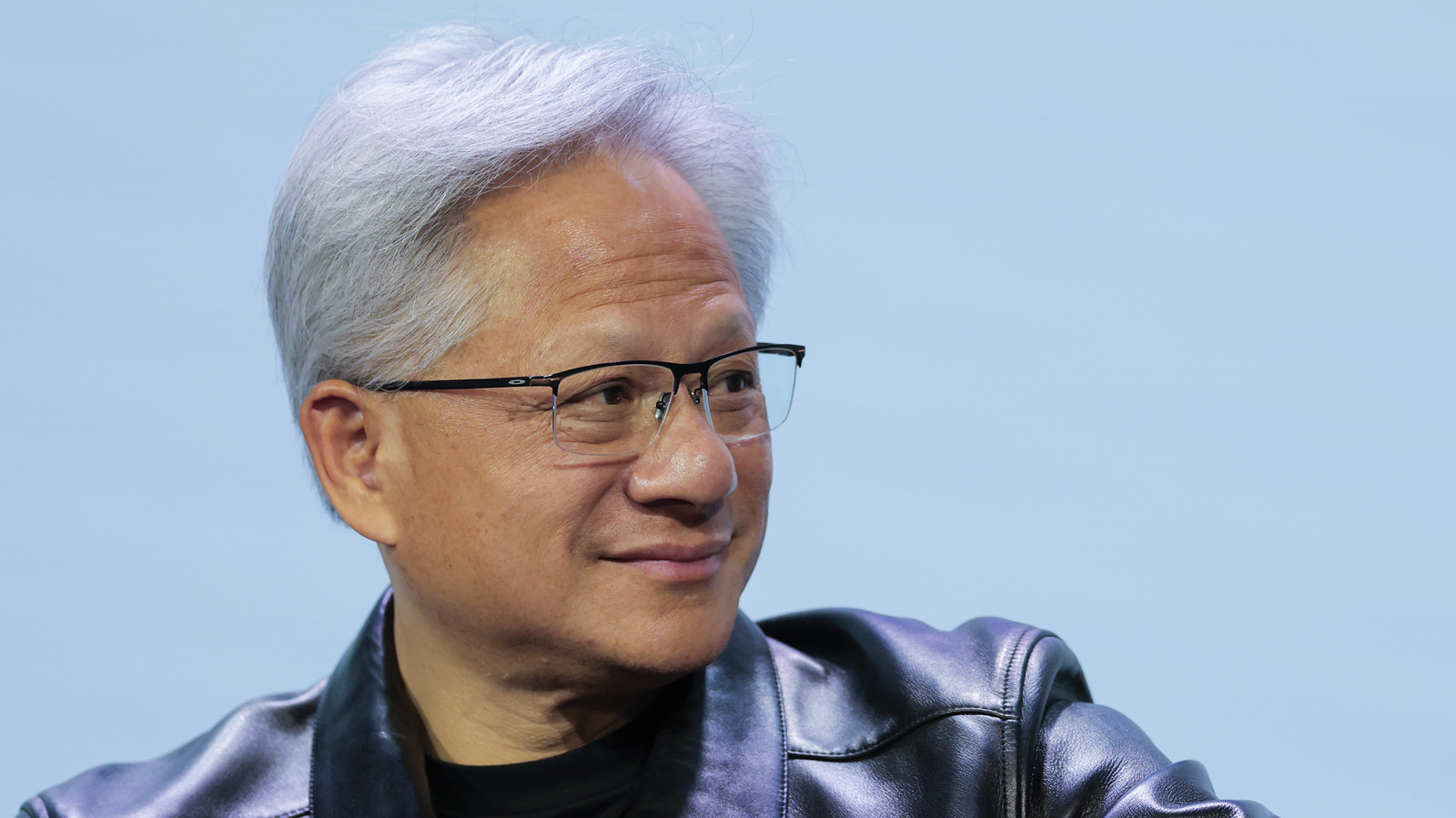
The revelation earlier this month that billionaire Nvidia CEO Jensen Huang had extramarital affairs sent shock waves through the tech world, particularly with Asian Americans who revered him as a once-in-a-generation talent.1
However, what has hit hard for Asian American women is the discourse around the allegation that Alice Huang, a Chinese businesswoman at the center of the scandal, was possibly a spy.1
Asian American women working in tech, civil rights advocacy and academia have felt a sense of dread that this ordeal would diminish how their peers are viewed and treated in their workplaces.1
A Spy Allegation That Resonates
The US Department of Justice has not found sufficient evidence that Alice Huang, who is not related to Jensen Huang, was a spy.1
Among the social media posts being spread was a collage of photos showing CEOs with Asian female partners..1 Author May-lee Chai, who has written about the treatment of Asian women throughout history, called it “disgusting.”1
Depicting them like trophy wives “implicates these spouses like they’re somehow similar to this suspected spy,” said Chai, who is also a creative writing professor at San Francisco State University.1
The speed at which people glommed onto the Asian female spy narrative was shocking to April Moh, chief marketing officer for a financial technology company and board member of Stand with Asian Americans, a legal civil rights organization specializing in combating workplace anti-Asian discrimination.1
Many
Many clients of Stand with Asian Americans are Asian women who have proved their competence, yet are still accused of being fraudulent or deceitful, the organization’s president and general counsel Rachel Lee said.1
On top of their integrity being questioned, Asian workers also deal with misconceptions that they cannot lead.1
Years before Chinese laborers were fully banned from entering the US under the 1882 Chinese Exclusion Act, the federal government targeted immigrant Asian women.1
In 1875, the US Congress passed the Page Act to control immigration from “any Oriental country.”.1 The Page Act included a specific prohibition of women coming for prostitution.1
The 1882 Chinese Exclusion Act fully banned Chinese laborers from entering the US.1
A Reminder of Centuries-Old Stereotypes
The Social Tracking of Asian Americans in the US Index from The Asian American Foundation found at least half of US adults characterized Asian Americans in the workplace as “respectful” or “reliable.”.1 Only 1 in 10 US adults viewed Asian Americans in the workplace as “assertive.”1
It is a reminder that no accomplishments would completely dispel centuries-old stereotypes.1
Misa Chien, founder of a network for Asian American women leaders called The Authentic Asian, said, “So few Asian women in general make it to the news for positive things. This is just going to continue to perpetuate negative stereotypes or biases for Asian women.”1 “The No. 1 theme in onboarding interviews all last week were ‘I’m mistaken for the secretary, I don’t look like the typical face of leadership,’.”
“I have women in technology who tell me that they get really weird looks and they get questioned about laptop security by their colleagues when they’re visiting China,” Moh said. “I have another person telling me that she has been jokingly asked, ‘So, are you a spy?’ by people who think that’s a joke now. It’s not funny to her or me.”
“It is deeply disturbing to see this not just unique to the Nvidia Jensen Huang case, but as a part of a long-standing dangerous narrative that Asians are perpetual foreigners, untrustworthy, disloyal,” Lee said.
“Chinese women were deemed — and East Asian women in general — as being untrustworthy,” Chai said.