BC Lab Aims to Protect Coastal Communities From Toxic Algae Blooms

Key facts
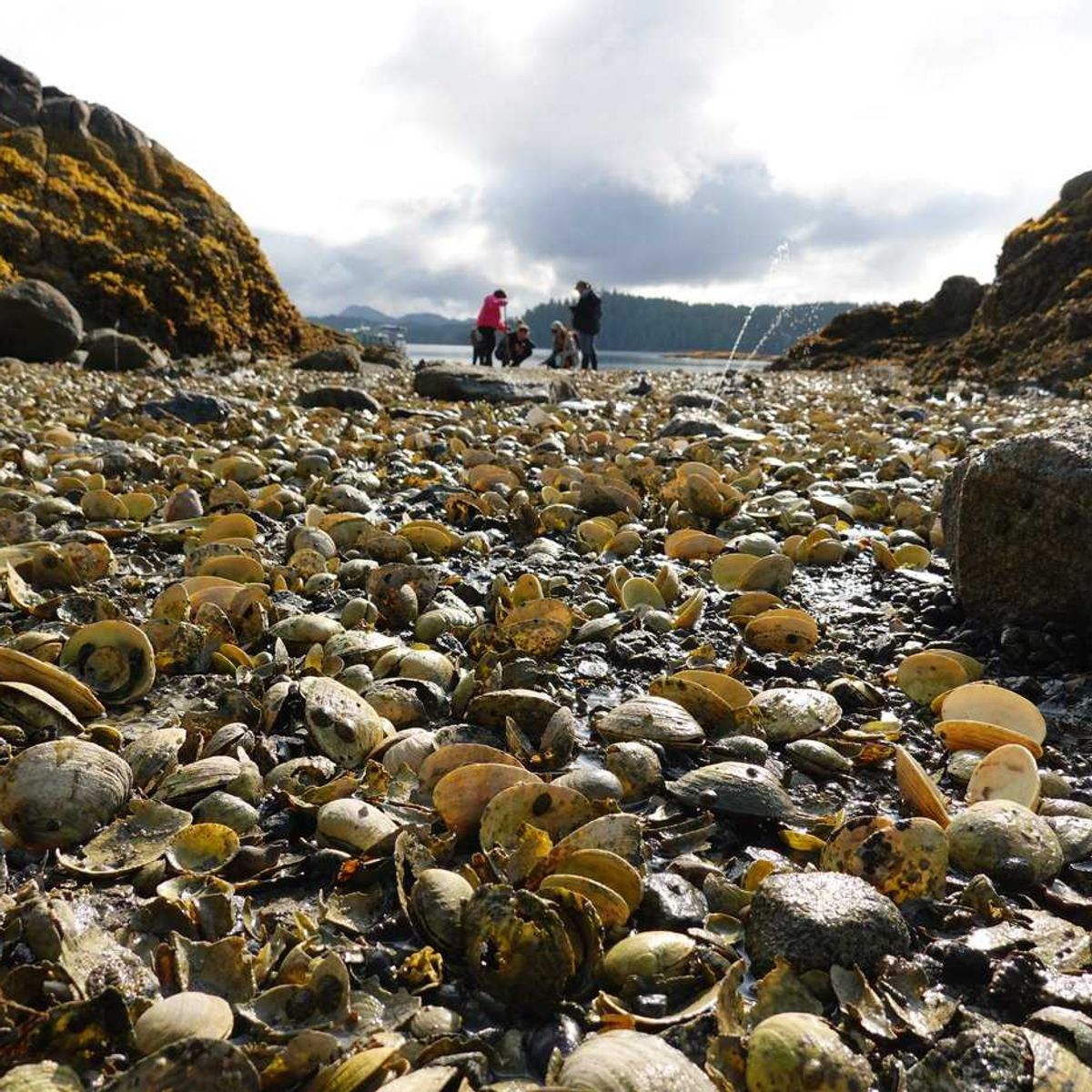
A Campbell River non-profit research centre is stepping up to help Indigenous clam and shellfish harvesters test their catch for potentially lethal toxins.1
Clams and mussels have been a staple food for coastal First Nations for millennia..1 Some harvest areas are being shut down preventively amid worsening toxic algae blooms.1
Skye Augustine
Skye Augustine, assistant professor at the University of British Columbia and principal investigator with the Centre for Indigenous Fisheries, said, “Clamming has been really important pre-contact and also post-contact to bring in food or the resources to celebrate that holiday and make it through the winter months.”1
Augustine says government agencies are not adequately testing to make sure shellfish are safe to eat, meaning harvesters are exposing themselves to risk of severe illness from paralytic shellfish poisoning and other harms.1
The toxin that causes paralytic shellfish poisoning is the main concern, says Timothy Green, Canada research chair in shellfish health and genomics at Vancouver Island University (VIU), but there are others too, like amnesic shellfish toxin.1
Green says the challenge is, most of our coastline is closed to harvesting.1 In particular, it’s closed to the species that First Nation communities most want to harvest.1
How the closures work
Under the Canadian shellfish sanitation program, Fisheries and Oceans Canada (DFO) is responsible for managing shellfish-harvesting area openings and closures.1
DFO bases its decisions on recommendations from Environment and Climate Change Canada about marine sanitary water quality, and from the Canadian Food Inspection Agency on biotoxin testing.1
Shellfish harvesting closures may happen when monitoring identifies a risk to human health or where established sampling requirements have not been met.1
In 2019, the First Nations Health Authority had to put out a notice warning against consuming butter clams after paralytic shellfish poisoning cases were reported by those who consumed clams harvested from remote Dundas Island BC, near the Alaska–BC border.1
A new lab for testing
The lab at the BC Centre for Aquatic Health Sciences, which is being renamed the Indigenous Centre for Aquatic Health Sciences and Stewardship (ICAHS), is fundraising $250,000 for new lab equipment to test for shellfish toxins in samples from a harvest, if they are brought to the lab alive and fresh within the day.1
Peter McKenzie, chief executive officer of ICAHS, points to capacity issues within the government agencies as the reason for the shortfall.1
To preserve cultural practices, some are still taking the risk.1
Sources
Every number in the story points here. Each links to the original reporting.
CenterNarcity
See a sentence its source doesn’t back up?
Tell us the source number and what’s wrong. We check every report. If we change the story, the fix goes on the corrections page with the old wording.