Key facts
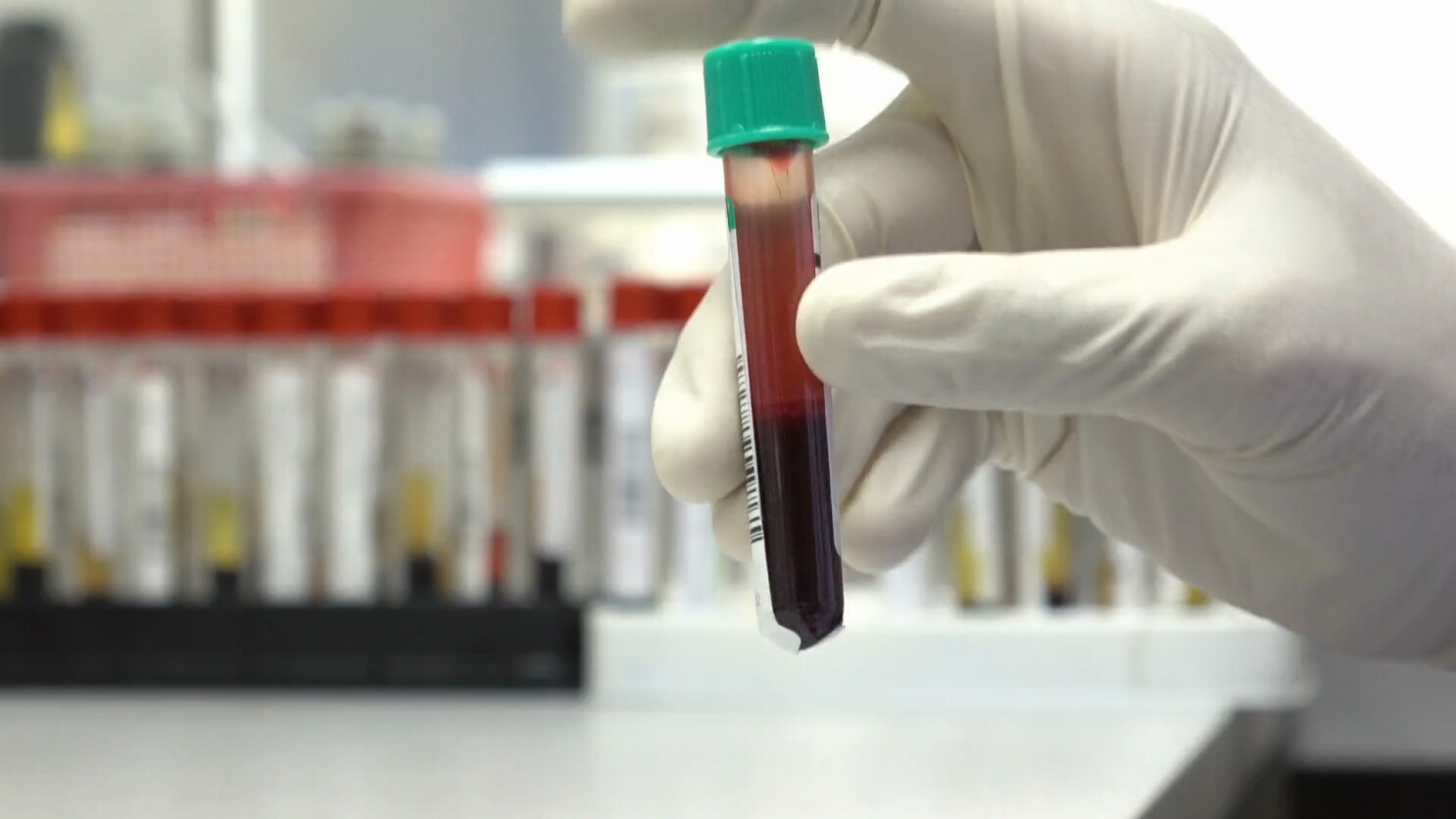
Two small studies found a clue in the blood that could help doctors identify chronic traumatic encephalopathy, a brain disease linked to repeated blows to the head.1
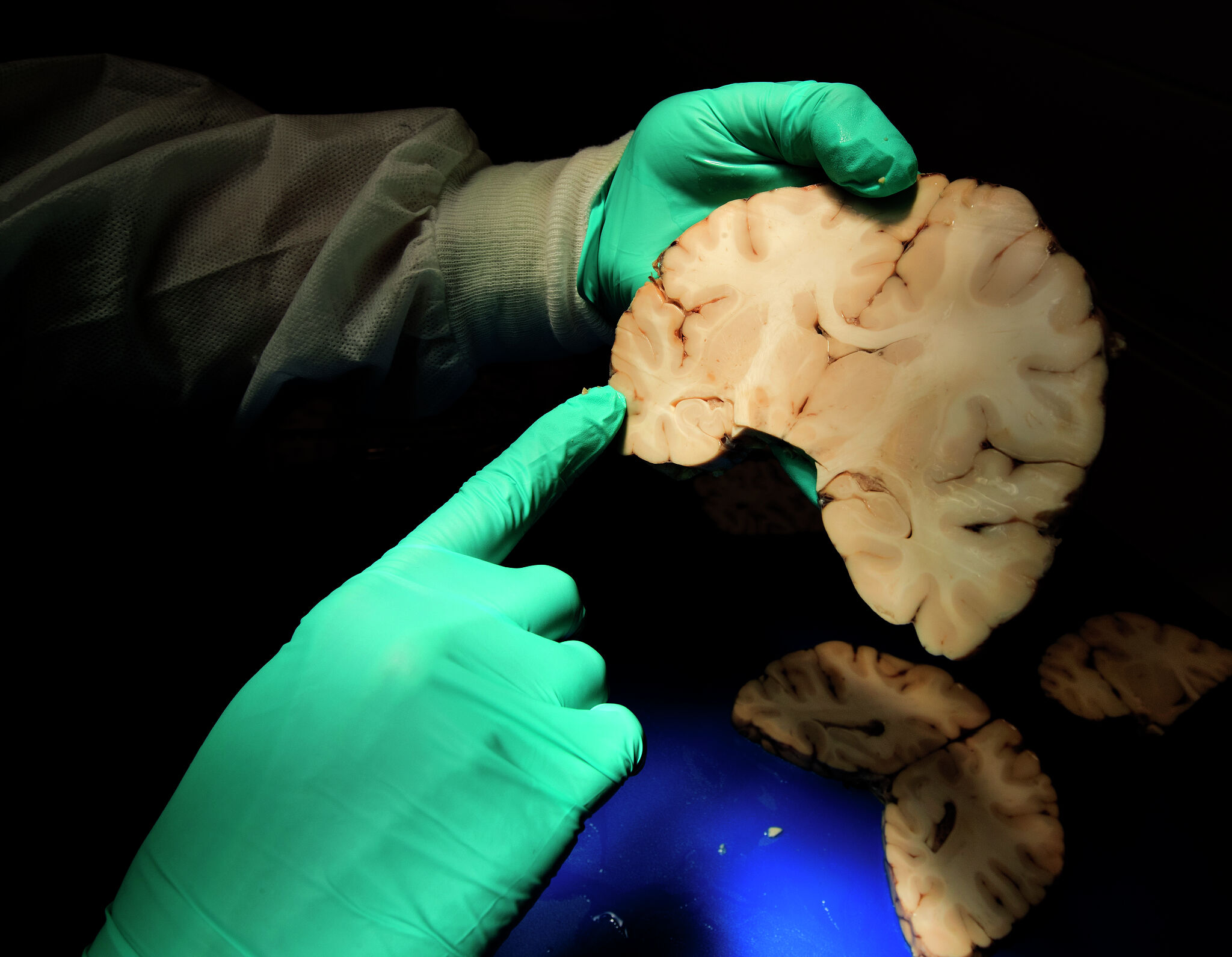
Right now, CTE can only be confirmed after death.1
In one study, researchers looked at blood samples from 21 former football players and compared them with what they found when they examined a player’s brain after death.1
Football players with advanced CTE tended to have higher levels of a type of protein named tau in their blood.1
A Step Toward Detecting CTE in Living Patients
Sanford sports medicine physician Dr. Torsten Rotto says a reliable test could give doctors a chance to help patients sooner.1
“And if we can do that, perhaps we could intervene on them earlier, you know, with potential future interventions and offer some help. As of right now, we have a hard time ... distinguishing those individuals,” Rotto said.
A reliable test could help researchers enroll patients in clinical trials for potential treatments.1
Researchers still need larger studies to see how well the tests work, especially in the early stages of CTE.1
Researchers may be a step closer to detecting CTE in people who are still alive.1