California’s cities question who runs their license plate readers

Key facts
- Residents deserve to know who controls surveillance technology in their communities.1
- A recent federal court ruling barred California from enforcing restrictions on masking and identification against federal law enforcement officers1
- It’s a question worth asking as communities across Acorn territory reevaluate the use of automated license plate readers.1
A federal judge barred California from enforcing restrictions on masking and identification against federal law enforcement officers on Nov. 19.1
The ruling reinforced constitutional limits on a state’s ability to interfere with federal operations.1
It’s a question worth asking as communities across Acorn territory reevaluate the use of automated license plate readers, including those manufactured by Flock Safety.1
Who controls the cameras
The municipalities pay for the camera services.1
The municipalities' contracts do not give them independent authority to dictate the sheriff’s surveillance practices.1
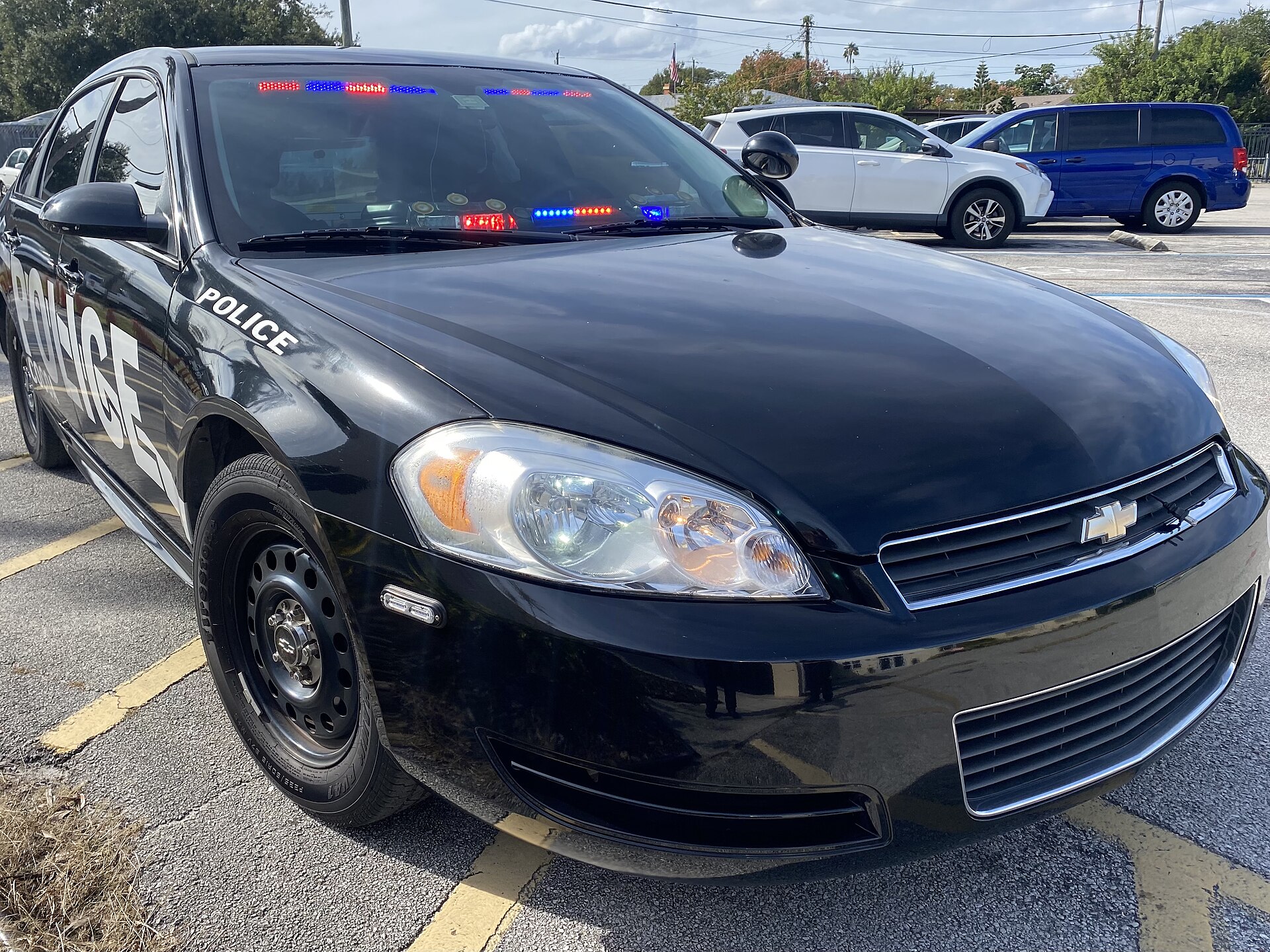
Sheriff’s patrol vehicles can be equipped with mobile license plate readers.1
Deputies move between jurisdictions as their duties require.1
Information gathered in one community may become part of a larger law enforcement database accessible beyond that city’s boundaries.1
A city can reject the cameras
A city council might decide against installing stationary license plate readers for privacy concerns, questions about data sharing or simply the expense.1
In other words, a city can reject the cameras without compromising its surveillance strategy.1
Federal supremacy vs. state law
The relationship between cities and county sheriffs is legally different.1
Federal supremacy is established by the U.S. Constitution.1
Municipal and county authority in California is governed by state law.1
Federal supremacy is established by the U.S. Constitution; municipal and county authority in California is governed by state law.1
The text is not an argument for eliminating license plate readers or abandoning the regional law enforcement model.1
Legitimate arguments can be made for police use of license plate readers.1
They can help locate stolen vehicles, identify wanted suspects and assist investigations.1
Residents deserve to know who controls surveillance technology in their communities, who owns the information it collects, who can access that information and what authority their elected representatives actually possess.1
When a city contracts for law enforcement, it should be clear whether its residents are purchasing a service—or surrendering their desire for local control.1
Sources
Every number in the story points here. Each links to the original reporting.
LocalSimi Valley Acorn
See a sentence its source doesn’t back up?
Tell us the source number and what’s wrong. We check every report. If we change the story, the fix goes on the corrections page with the old wording.