Trump v. United States Ruling Blocks Congress From Passing Immunity Law


Key facts
- The presidential immunity ruling in Trump v. United States does not appear to leave an opening for Congress to act1
- The 2009 Lilly Ledbetter Fair Pay Act overrode a 2007 case, including a dissent by Justice Ruth Bader Ginsburg1
- Ben Conner said he doesn’t think Congress could pass a law that defines what an official vs. non-official act is.1
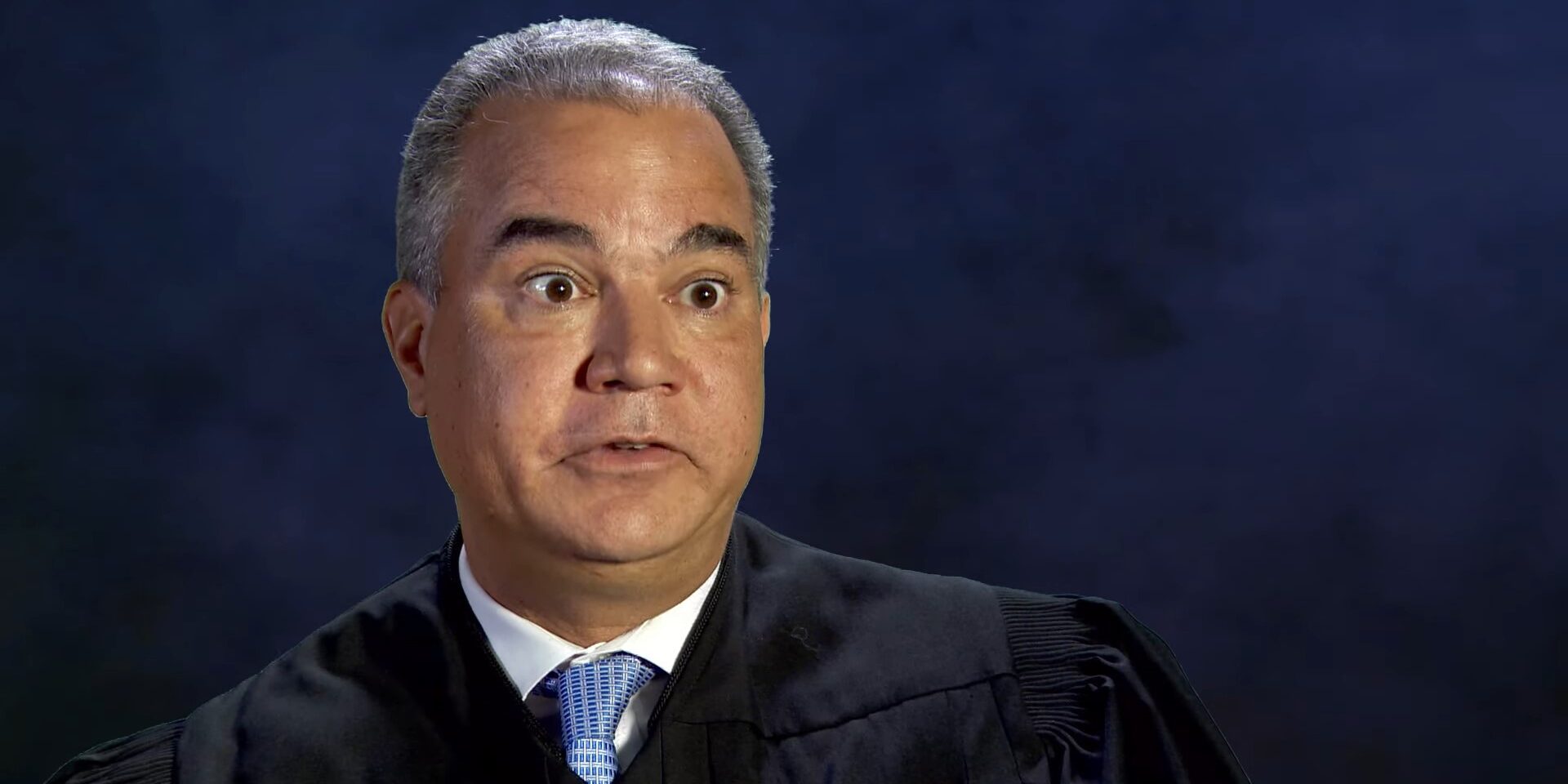
Ben Conner said Congress cannot pass a law defining what an official act is regarding the president.1
United States does not appear to be one of the cases where a Supreme Court ruling leaves an opening for Congress to act.1
The whole point of the immunity ruling was to immunize certain presidential conduct from prosecution.1
If Congress could define whatever it wants as prosecutable, that could effectively neutralize the decision.1
Why Congress Cannot Pass an Immunity Law
The immunity ruling sets the bar for what is prosecutable.1
When Congress Can Override a Ruling
There are cases in which the court leaves its opinions open to being overridden by legislation.1
That is more likely to happen when the court opines on what it thinks a law passed by Congress means.1
How Congress Overrode a Previous Ruling
The 2009 Lilly Ledbetter Fair Pay Act overrode a 2007 case involving an interpretation of federal law.1
The late Justice Ruth Bader Ginsburg wrote that “the ball is in Congress' court” in dissent in the 2007 case.1
Congress took the ball and passed a bill, which then-President Barack Obama signed into law.1
Sources
Every number in the story points here. Each links to the original reporting.
LeftMSNBC
See a sentence its source doesn’t back up?
Tell us the source number and what’s wrong. We check every report. If we change the story, the fix goes on the corrections page with the old wording.