Key facts
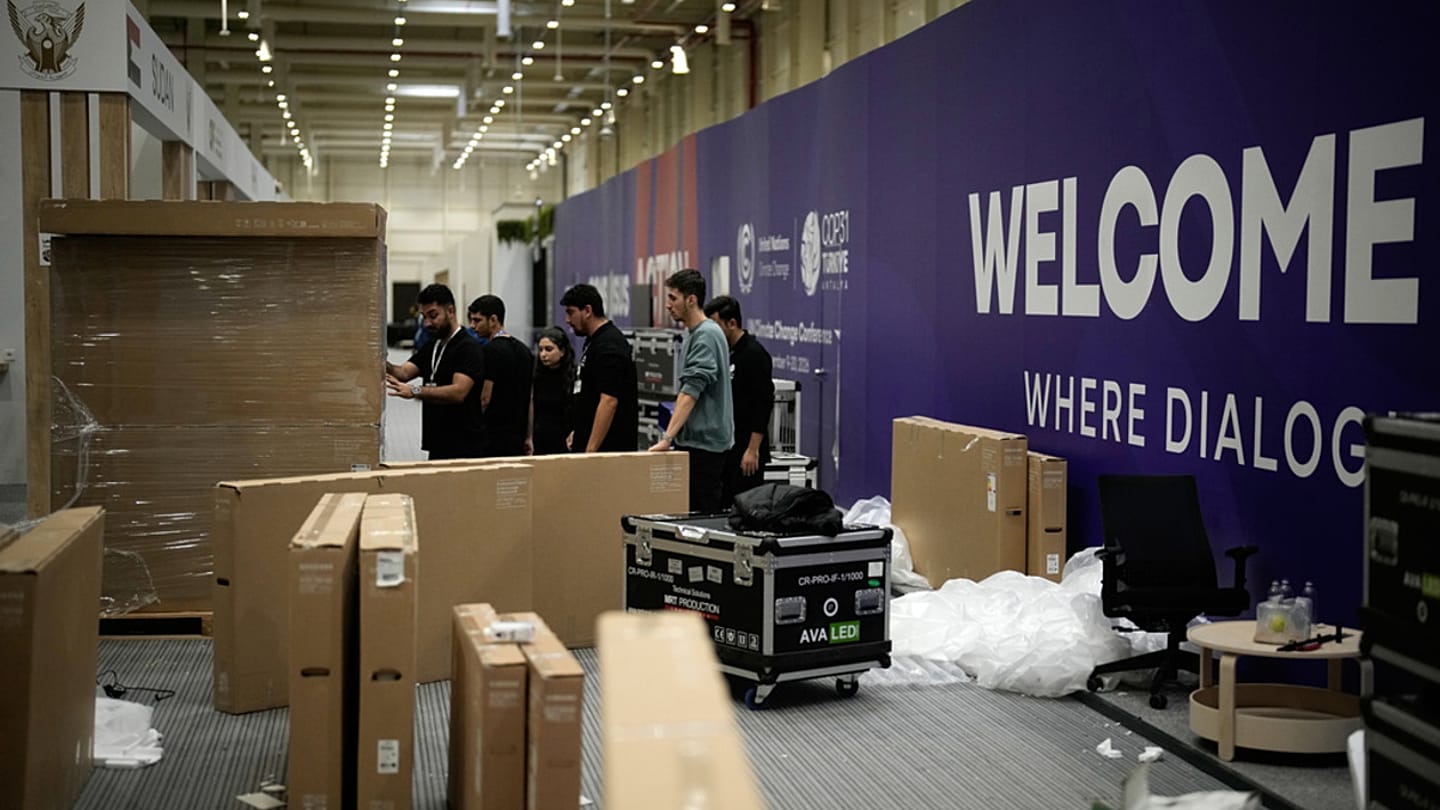
The COP31 climate talks ended Sunday afternoon, with the conference center resembling a going-out-of-business sale at a pawnshop for broken dreams.1
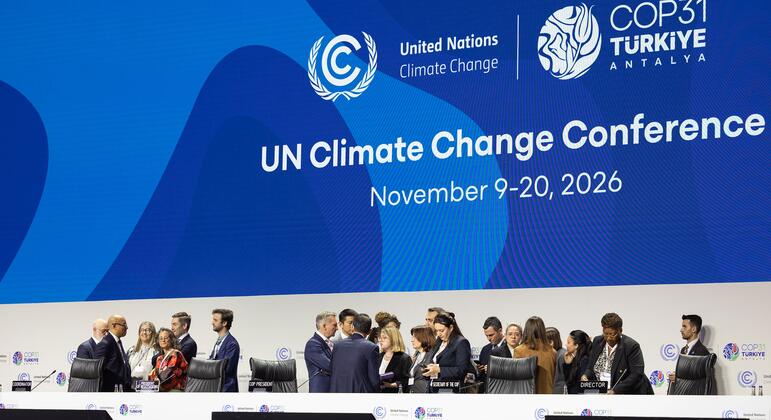
As cleaning crews cleared away the debris left by more than 100,000 participants, Murat Kurum, president of the Conference of the Parties and Turkey’s minister of environment, urbanization, and climate change, tried to tie together disparate parts of a draft climate deal with a shiny ribbon of multilateralism.1
For the first time since 2009, the conference ended without consensus on a cover decision, the concluding statement that typically signals global solidarity on how to confront the worsening climate crisis.1
A cover decision that failed to unite
The failure to agree on an overarching conference statement reflected deep divisions over whether the agreement should mention fossil fuels and carbon capture.1
The failure to agree on an overarching conference statement also reflected deep divisions over how much climate financing developed countries should provide to developing nations hit by costly climate disasters.1
The European Union, as well as several Latin American countries and Pacific Island states, said they would not accept the proposed text from the conference leaders.1
Cover decisions at the annual conferences usually focus on new steps or language that could reinforce international efforts to slow global warming.1
What countries did adopt
A central aim at this meeting was to set quantifiable but voluntary global goals for the widespread electrification of economies.1
A central aim at this meeting was also to increase funding from developed countries to help developing countries adapt to climate impacts.1
Countries did adopt several decisions, including a program to help workers and communities transition away from fossil fuels, and a plan to assess progress on climate adaptation.1
In 2022, the UN conference in Egypt agreed to establish a loss and damage fund to help vulnerable countries pay for irreversible climate impacts.1
A year later in Dubai, delegates from more than 190 countries agreed, for the first time, that a “just and orderly” transition away from fossil fuels in energy systems is needed to slow global warming.1
Since 1995, UN climate and environment summits have often seen deadlock, delays and frustration.2
The COP31 climate negotiations in Antalya have ended without a final deal.2