Key facts
- Judge Ronald L. Hanna held Andrew M. Kozak without bond Friday after federal investigators found bomb-making files and a map of the facility during searches of his property1
- Prosecutors used two slide presentations in court to connect the physical items seized from Kozak’s home and vehicle.1
- Bill Daly, a former FBI investigator and international security expert who worked on the 1993 World Trade Center bombing.1
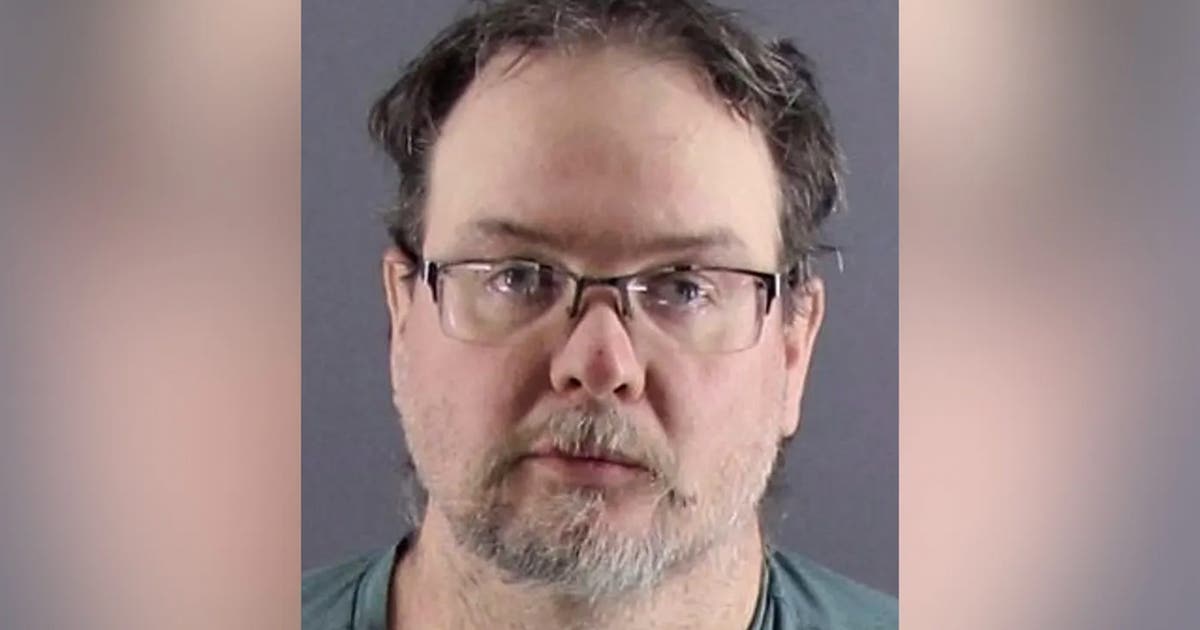
An Illinois ethanol plant worker accused of emailing a bomb threat to his workplace will remain behind bars until trial after federal authorities revealed investigators found bomb-making files and a map of the facility during searches of his property.1
Andrew M. Kozak, of Kozak Chillicothe, was held without bond Friday by Judge Ronald L. Hanna.1
Hanna warned that the explosive found at BioUrja Renewables was a working device that could have killed people and caused major damage, 25News reported.1
How prosecutors connected the items to the Nov. 13 scare
Rather than following a single timeline, prosecutors used two slide presentations in court to connect the physical items seized from Kozak’s home and vehicle to the digital trail behind the Nov. 13 scare – which forced roughly 2,500 homes and businesses within a one-mile radius across Peoria and East Peoria to evacuate for nearly 24 hours, court records and 25News show.1
During a Nov. 16 search of Kozak’s home, FBI agents recovered AA rechargeable batteries, copper sheeting, wiring and white tape..1 The supplies matched components from a partially damaged device found near a tank at the plant.1
The partially damaged device contained a powdery substance and used timers or remote-control parts.1
Agents found a laptop missing its hard drive, later recovering the drive inside Kozak’s vehicle alongside a map of the BioUrja facility..1 Files stored on the recovered drive covered shaped-charge explosives, a blasting cap well and a video about copper-based explosives.1
Investigators found internet searches for videos of ethanol tank blasts and a 2023 investigation into an industrial ethanol plant explosion.1
Prosecutors tied Kozak to the warning email sent to BioUrja employees, which carried the subject line “severe site security risk” and claimed multiple bombs were hidden inside.1
How the threat unfolded at the store
Cameras captured Kozak arriving at a Peoria grocery store just before 9:45 a.m., prosecutors said.1
Nearly 15 minutes later, someone on the store’s public Wi-Fi set up an email account under the name “Jake Armitage” – an alias Kozak’s wife reportedly told FBI agents he had previously used on Facebook.1
The threat went out at 10:16 a.m., two minutes before cameras showed Kozak walking inside the store wearing a sweatshirt from an old job.1
A license plate camera captured his vehicle leaving the lot after he checked out at 10:31 a.m. Investigators also traced activity on the email account back to an internet address at Kozak’s Chillicothe home, prosecutors said.1
An FBI expert on the case’s uniqueness
Bill Daly, a former FBI investigator and international security expert who worked on the 1993 World Trade Center bombing, told Fox News Digital that the case stands out because bombers trying to cause mass casualties rarely warn targets ahead of time.1
Daly said, noting that investigators will examine whether the sender was trying to “be kind of the hero of the day” by pointing out security gaps or whether another workplace grievance was behind the scare, “Normally they wouldn’t be calling in a bomb threat.”1
Defenders argue the items were ordinary
Kozak’s public defenders argued in court that the batteries, tape and wiring were ordinary household items and stressed that prosecutors had not proved he built or planted the device, noting he is only charged with making threats, 25News reported.1
Addressing the absence of bomb-making or planting charges in the initial indictment, Daly said federal prosecutors often move quickly with threat counts to keep a suspect in custody while forensic and chemical testing continues.1
“They had enough to present for the indictment, and as they get more of the information, it gives them time to pull together more of the evidence,” Daly said. “It doesn’t mean that what he’s currently charged with may be the only charges – those charges can change and be updated as more information becomes available.”