Farmers win as buffel grass is not a weed of national significance

Key facts
The cattle industry has secured a major victory in its fight to protect one of northern Australia’s most valuable pasture grasses, with a bid to declare buffel grass a weed of national significance defeated.1
The National Biosecurity Committee confirmed Friday that buffel grass will not be recognised as a national established weed priority after stakeholder consultation failed to deliver national consensus.1
The decision follows a fierce campaign by farm and cattle industry bodies, the Nationals and regional councils amid fears a national listing could pave the way for restrictions on planting, livestock movements and the introduction of costly control measures.1
Shane McCarthy welcomes the decision
AgForce general president Shane McCarthy welcomed the decision, saying buffel grass was worth $8 billion to the Queensland industry alone and should instead be recognised as a “feed of national significance.”1
Mr McCarthy said the industry had invested considerable time and resources fighting the proposed listing, which could have had ramifications extending beyond pasture management.1
He said there were concerns about future access to seed supplies, quarantine requirements for livestock moving between regions and the imposition of control measures on established pastures.1
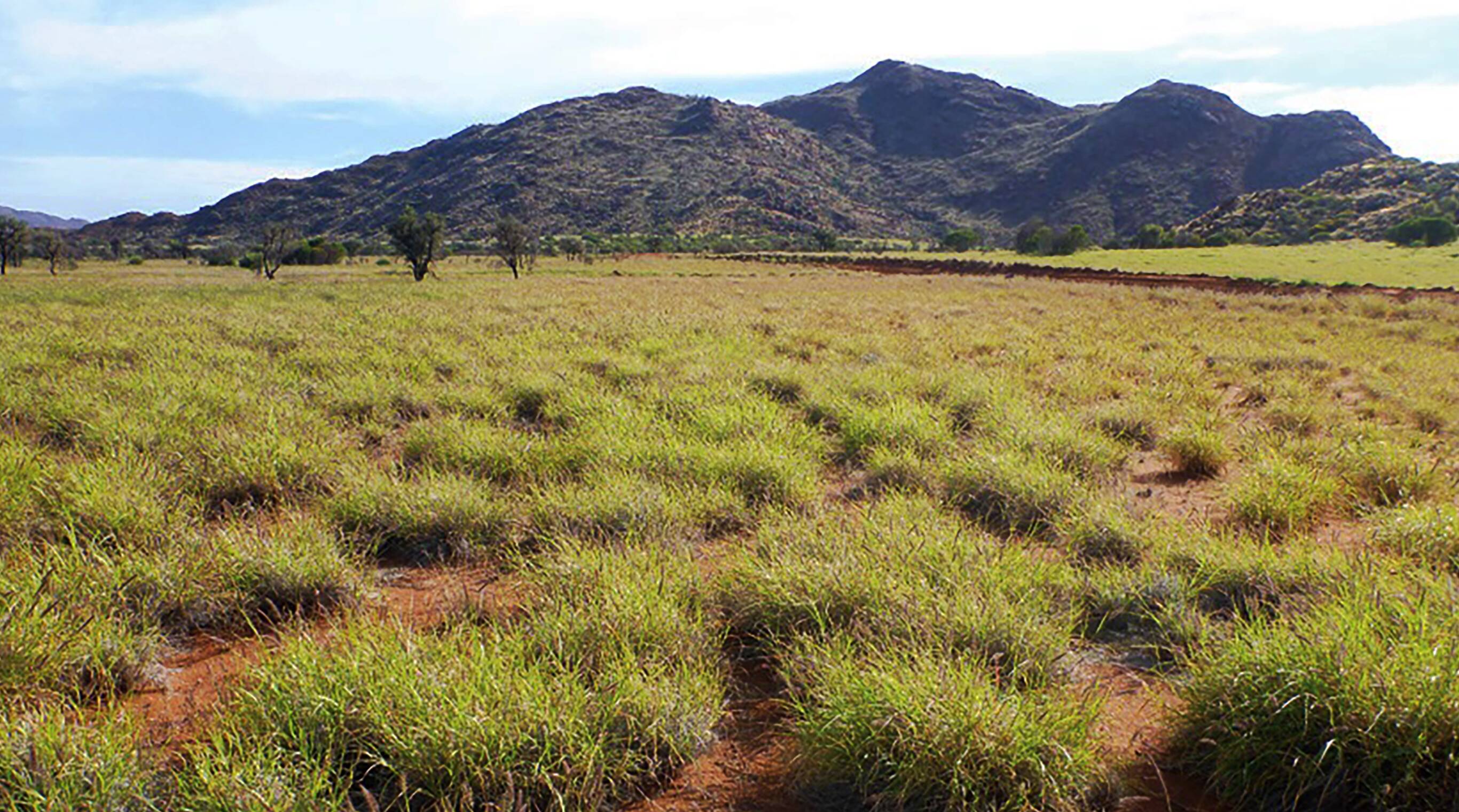
The drought-tolerant grass underpins cattle production across large swathes of Queensland and the Northern Territory, providing livestock feed, improving carrying capacity and helping combat erosion.1
Mr McCarthy acknowledged the need to control the grass where it was encroaching on environmentally sensitive areas.1
He warned widespread eradication would be almost impossible and could have significant environmental consequences.1
Mr McCarthy said.1
A unique and complex case
Buffel grass was the only one of 15 species that met the national weed assessment criteria not to secure agreement for listing.1
The National Biosecurity Committee described buffel grass as a “unique and complex case” because of its value to agricultural production and the significant harm it causes in other areas.1
The committee said stakeholders agreed that the objective was to manage risks where they occurred “while preserving a productive pasture asset.”1
Last year, a motion at the Local Government Association of Queensland conference calling on state and federal governments to oppose a national listing was carried 209 votes to seven.1
Cattle Australia has previously called for buffel grass to instead be recognised as a Primary Production Strategic Asset and for an overhaul of the process used to assess non-native plant species.1
Agriculture Minister Julie Collins had sought to allay industry concerns, telling Parliament the assessment was targeting areas where buffel grass was causing environmental damage, such as national parks.1
A national listing would have provided a framework for governments to coordinate and fund management measures.1
Backlash from the Invasive Species Council
The decision has sparked a backlash from the Invasive Species Council, which is calling on the Albanese government to establish a federal inquiry into Australia’s biosecurity response.1
Council Voice of Country lead Taigen Ryan said the decision represented a “failure of national biosecurity leadership.”1
Ms Ryan said.1
Sources
Every number in the story points here. Each links to the original reporting.
CenterThe Land
See a sentence its source doesn’t back up?
Tell us the source number and what’s wrong. We check every report. If we change the story, the fix goes on the corrections page with the old wording.