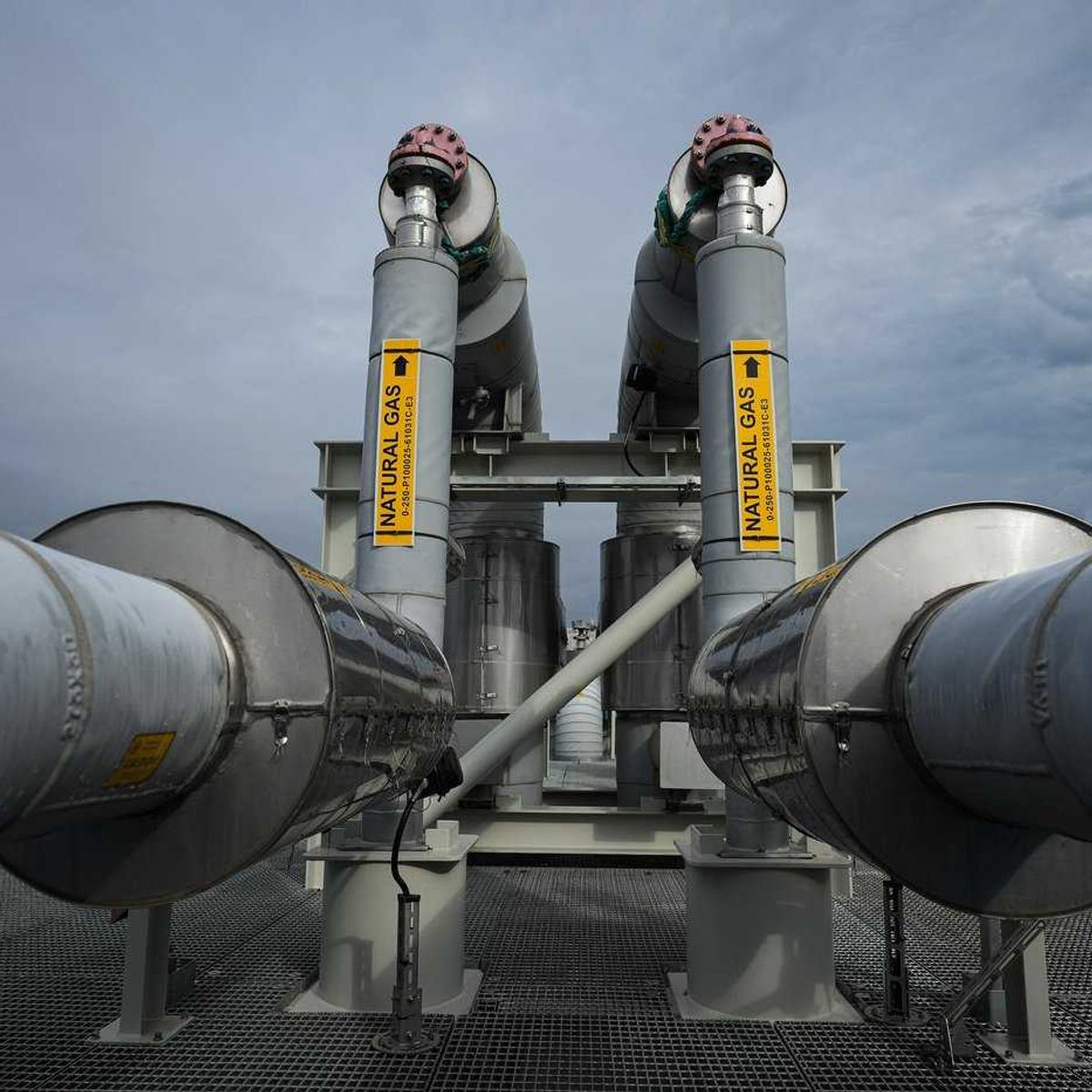
Ford, Unifor Tie Auto Emissions Relief to Production Guarantees

Key facts
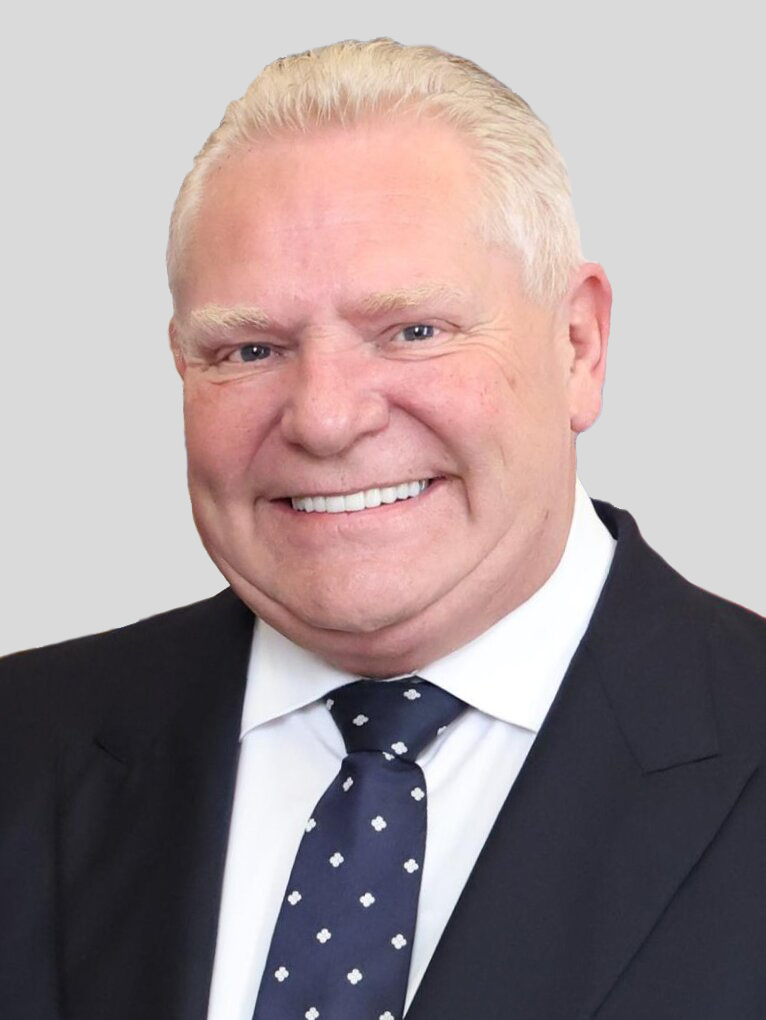
Doug Ford and Unifor national president Lana Payne said last Thursday that Ottawa should exempt automakers from penalties under federal greenhouse gas emission regulations for passenger vehicles.1
The exemption would only apply if the companies commit to keep building in Canada.1
The two argued the tailpipe rules pile costs onto an industry already absorbing U.S. tariffs.1
Tailpipe Rules And Compliance Credits
The statement’s central complaint concerns compliance credits.1
Automakers that miss the fleet standard can buy credits from rivals that beat it.1
Ford and Payne argued that means companies with Canadian factories end up paying competitors that build nothing here.1
The pair called the added costs an “own goal” that helps U.S. President Donald Trump in what they described as his goal of eliminating every Canadian autoworker’s job.1
The pair asked that automakers be exempted from industrial carbon pricing.1
Credits And The Auto Sector
Environment and Climate Change Canada figures cited by The Canadian Press show Tesla, which has no Canadian assembly plant, has supplied most credits sold since 2021.1
Ford Motor Co. and General Motors have been the largest buyers of credits.1
The sales are covered by non-disclosure agreements.1
The auto sector directly employs more than 125,000 people.1
The auto sector contributed $16.8 billion to GDP in 2024, according to Innovation, Science and Economic Development Canada.1
Canada built about 1.3 million light vehicles that year.1
Canada shipped roughly 1.1 million light vehicles to the U.S. that year, according to the Department of Finance.1
Washington now charges 25 percent on the non-U.S. content of Canadian-built vehicles that qualify under the Canada-U.S.-Mexico Agreement, and on the full value of those that don’t.1
Trump has threatened to double the rate on Jan. 1.1
U.S. Trade Representative Jamieson Greer said Nov. 22 the two countries are “fairly close” to a deal.1
The standards apply to each manufacturer’s fleet average, not to individual models.1
A company can comply by making vehicles more efficient, by selling enough efficient models to offset less efficient ones, or by buying credits from a manufacturer with a surplus.1
Relief And The EV Mandate
In a joint statement, the two argued the tailpipe rules pile costs onto an industry already absorbing U.S. tariffs, putting Canadian plants and jobs at risk.1
Brian Kingston is president of the Canadian Vehicle Manufacturers' Association.1
Kingston’s group represents the Canadian arms of Ford, GM and Stellantis.1
The regulations now in force carry only criminal penalties for non-compliance.1
Ottawa has already loosened the rules twice this year.1
In February, Prime Minister Mark Carney repealed the Trudeau-era EV sales mandate and promised tougher tailpipe standards for model years 2027 to 2032.1
Then on Oct. 21, standing alongside Ford, Carney froze the standard at 2026 levels through the 2029 model year, citing tariff pressure on manufacturers.1
In a September 2025 letter to the environment minister published by The Hub, Tim Sargent urged Ottawa to scrap the EV mandate outright.1
Stellantis has agreed to sell the idled Brampton, Ont., plant to Roshel, a Brampton-based armoured vehicle maker, in a deal expected to close by year-end.1
Industry Minister Mélanie Joly has told the automaker it can keep the plant open or face a federal lawsuit.1
Sources
Every number in the story points here. Each links to the original reporting.
RightThe Hub
See a sentence its source doesn’t back up?
Tell us the source number and what’s wrong. We check every report. If we change the story, the fix goes on the corrections page with the old wording.