Key facts
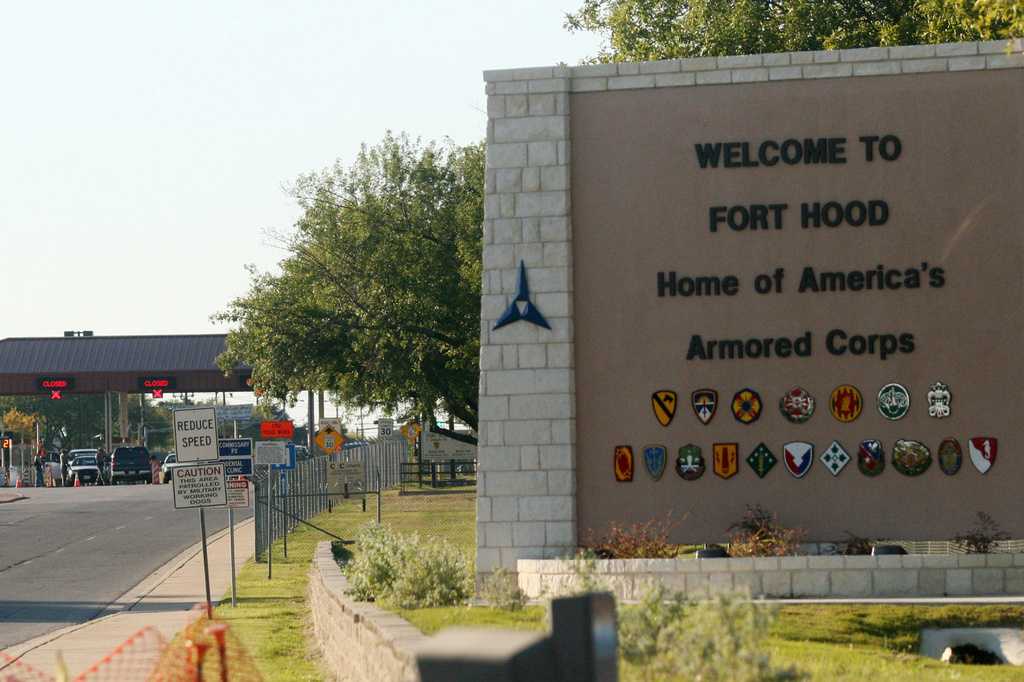
Three survivors of the shooting at Fort Hood will not be allowed to witness the execution of Nidal Hasan, who fatally shot 13 people in the attack at the Texas Army post in 2009, military officials said Tuesday.1
Hasan was found guilty of multiple counts of murder and attempted murder related to those killed and the more than 30 who were wounded by gunfire in the attack.1
On Nov. 10, the Army said the three cannot attend the execution scheduled for Dec. 3 because none of them was the direct victim of those charges, citing regulations governing military executions.1
Asking for a broader definition of victims
The three argued that the Army should apply a broader definition of “victim” from the Uniform Code of Military Justice that says a victim can be someone who suffered “direct physical, emotional or pecuniary harm.”1
The letter signed by the commandant of Fort Leavenworth, the military prison where Hasan is being held, said the three cannot appeal again.1
A deployment 29 days after the attack
Retired Colonel Kathy Platoni, who would have been Hasan’s supervisor during a planned deployment to Afghanistan, said the denial felt like a betrayal.1
Platoni said from her home in Ohio, “I would desperately like to attend.”1
Platoni said the survivors from her unit deployed to Afghanistan 29 days after the attack, because, “we still served our country, and if we didn’t, (Hasan) would have won.”1
Platoni said the building where Hasan initially opened fire had been crowded with returning soldiers and those preparing to deploy.1
Platoni said she had been moved to another building when the attack began.1
Julia Wilson, who was nine months pregnant when Hasan opened fire, said her request to witness was also denied.1
Wilson said the way the military has handled the case has caused her anguish.1
We remain on that battlefield because of that … if they don’t fix it we’re never going to leave that battlefield.
A previous plan to livestream the execution was rescinded
A previous plan to livestream the military execution, the first since 1961 and the first by firing squad since World War II, was rescinded after bipartisan backlash.1
The Army noted in a statement that regulations specify who can witness a military execution, and reiterated the size and space restrictions, “To look Hasan in the eye and say, ‘You didn’t get me.’”1