Key facts
When Ed Marszewski co-founded Chicago’s Marz Community Brewing Co. in 2014, the plan wasn’t to serve THC-seltzers.1
For years, the business focused on handmade craft beer..1 But at Marz Community Brewing Co., customers wanted in..1
A New Market, A New Problem
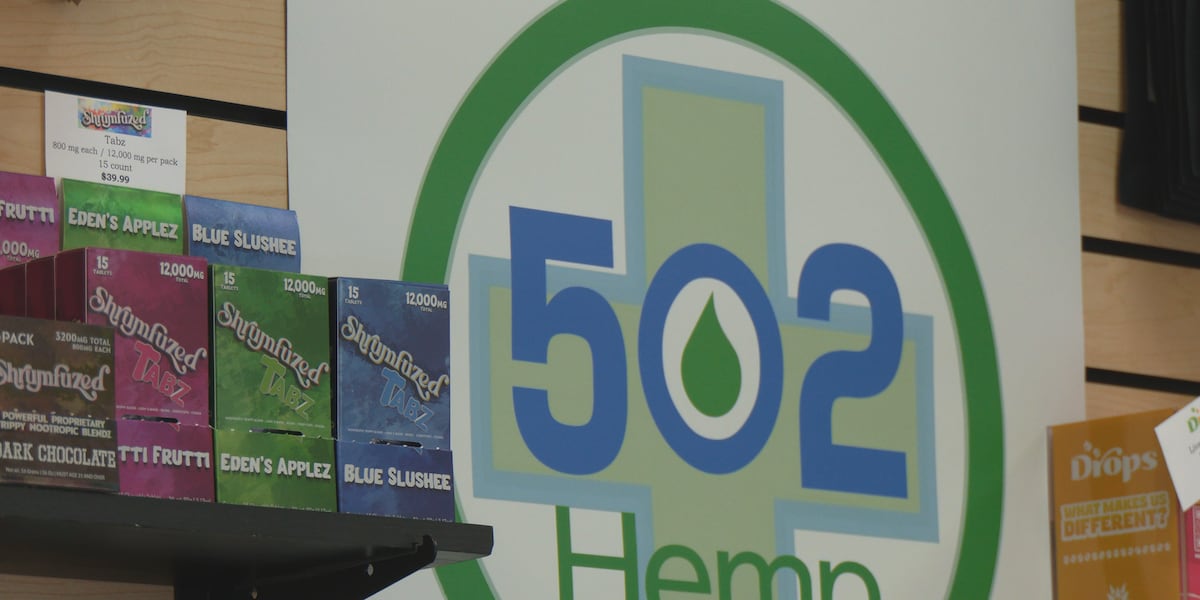
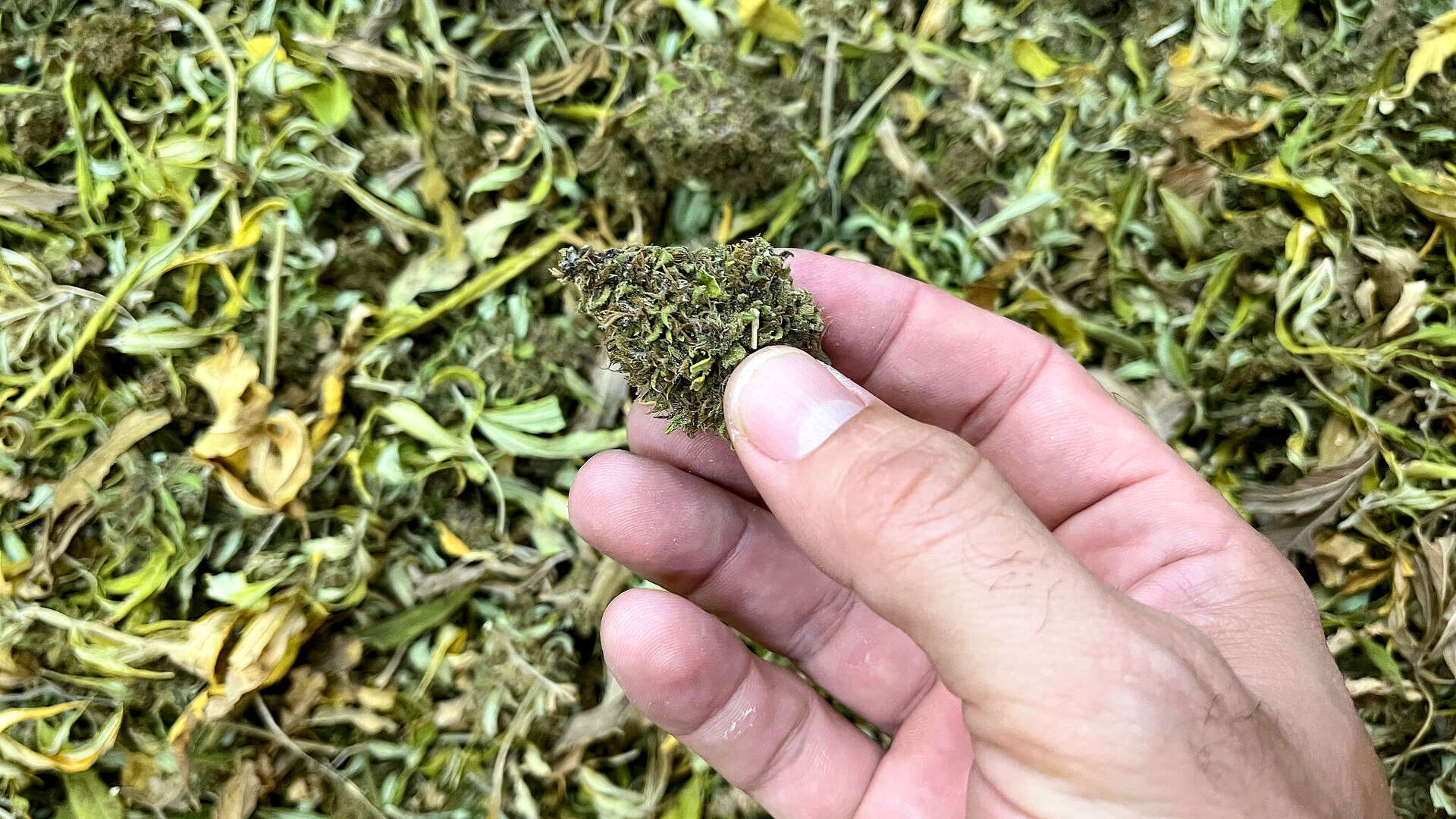
The 2018 Farm Bill removed hemp and derivatives of cannabis with low concentrations of THC from the definition of marijuana in the Controlled Substance Act..1 That policy change, which opponents sometimes refer to as the hemp loophole, meant that seltzers, sodas, gummies and other THC-infused products with the potential to get consumers high could legally hit the shelves.1
But new laws enacted in Illinois in November stripped away Marz Community Brewing Co.’s chance to sell THC products..1 The change has been tough on Marz.1
A Ban That Could Change Everything
Federal laws slated to take effect on Dec. 11 would ban the sale of hemp-based products with more than 0.4 milligrams of THC per container.1 A 0.4 mg per-container limit effectively eliminates the products we’re currently making and selling, said Pepin Young, director of new business development at Bent Paddle.1
A Market That’s Grown Fast
Hemp is a big business for neighborhood breweries..1 In Minnesota, hemp beverages have become a staple for many breweries..1 At Duluth-based Bent Paddle Brewing Co., THC drinks account for about 40% of their overall business.1
The New York Times named Sprecher’s root beer the best in the country in 2008..1 Originally founded in Milwaukee, Sprecher offers craft soda as well as beer and other taproom fares.1
Sharad Chadha, Sprecher CEO and President, said.1