Incoming Congress, Which Begins Jan. 3, Will Have a Record Number of Members Who Are Women

Key facts
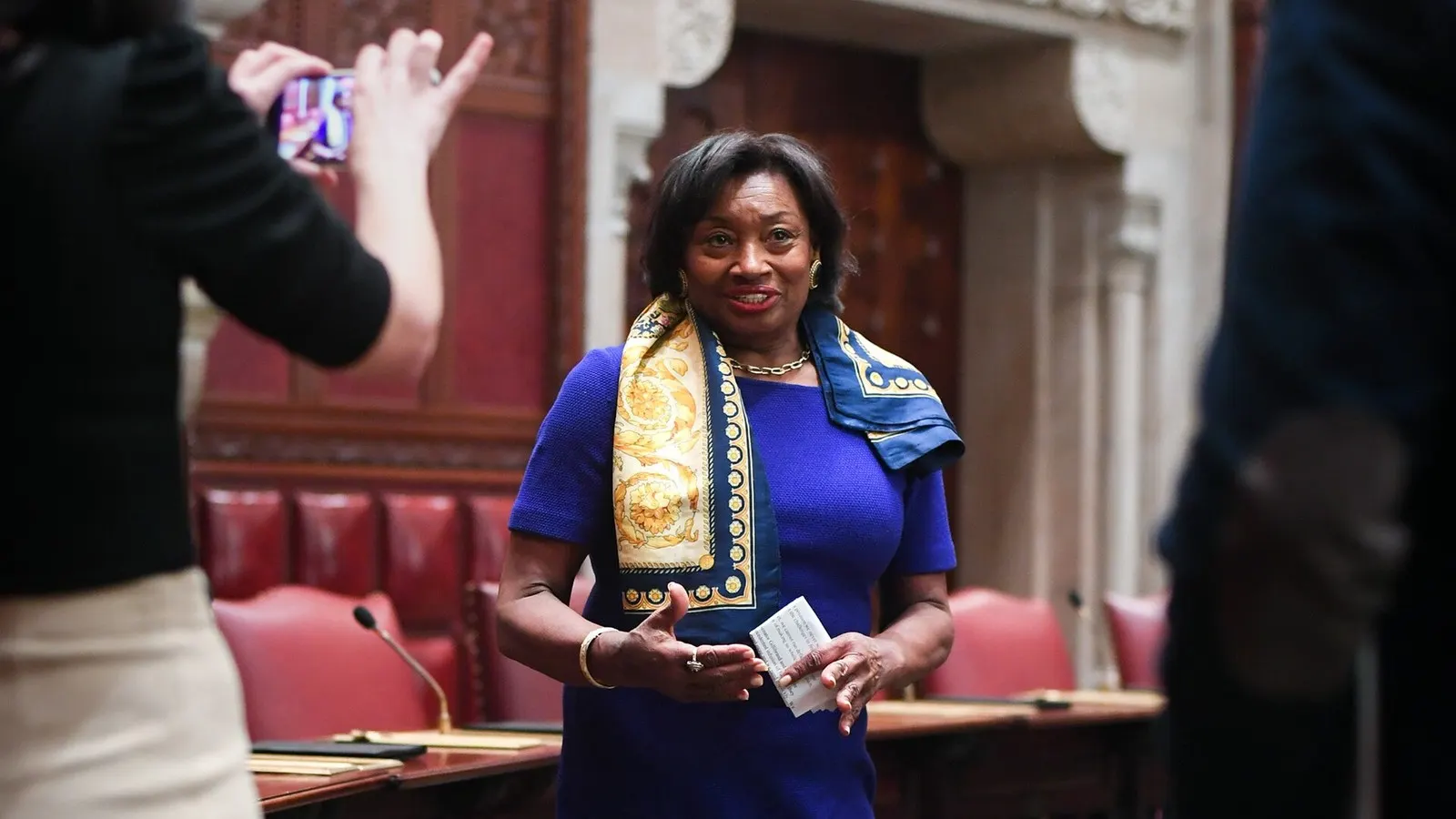
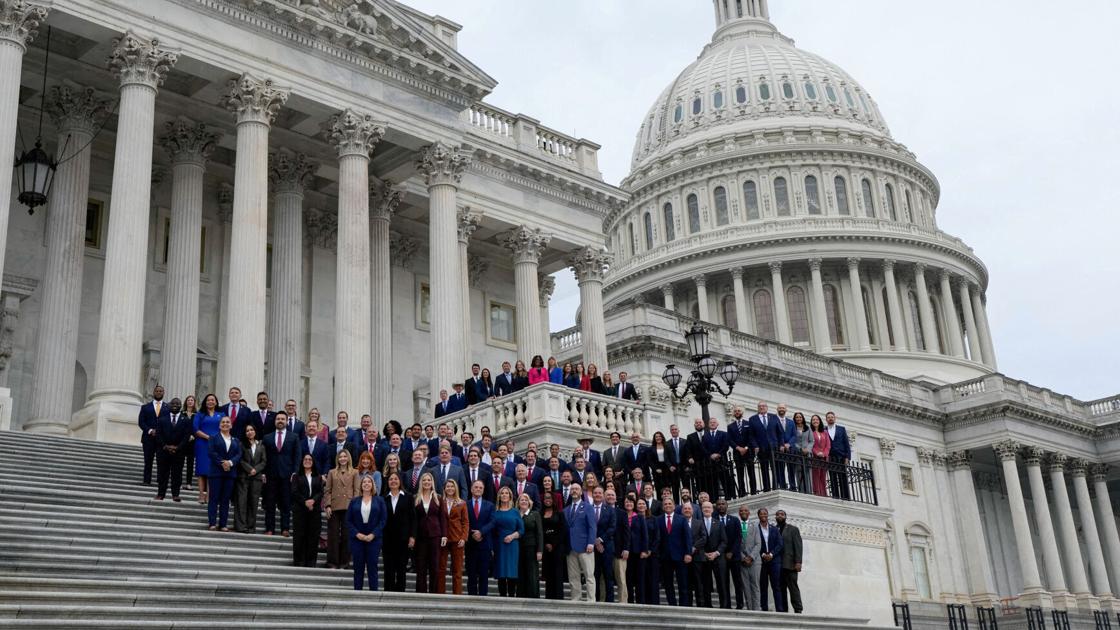
The incoming Congress, which begins Jan. 3, will have a record number of members who are women, Hispanic and Muslim, and the Senate will have the highest number of Black members in U.S. history.1
Virtually all of the increases in diversity are coming from incoming members of the Democratic majority, while the Republican ranks will see a decrease in the number of women and Black members.1
Sarah Treul, an American politics professor at the University of North Carolina at Chapel Hill, said, “Congress has never been more diverse.”1
That includes record numbers of women who are Black, Hispanic or Native American, according to Jean Sinzdak, associate director of the Center for American Women in Politics at Rutgers University.1
Women Set to Make Up More Than 30% of Congress
Women are set to make up more than 30% of Congress, an all-time record.1
There will be at least 137 women in the House and 26 in the Senate, though its count might decrease since Sens. Amy Klobuchar of Minnesota and Marsha Blackburn of Tennessee won the governorship in their respective states.1
More women could mean different priorities emerge, as they tend to bring their own life experiences to the table that some men might not have even considered, Sinzdak said.1 1
Craig Volden, co-director of the Center for Effective Lawmaking, said women also are more likely to put forward bills related to “the most gridlocked issue areas in Congress,” such as education and healthcare.1
Black Representation Hits Historic Highs
The current House of Representatives started with 61 Black members.1
The incoming House will have at least 60 Black members.1
There have been only 14 Black senators in history.1
There will be seven Black senators this year, including Tim Scott Colom, the first Black person to represent Mississippi in the Senate since the Reconstruction era.1
Rep. Byron Donalds won the governorship in Florida.1
Even with the push last year for Republican state legislators to carve up majority-minority districts after a Supreme Court ruling weakened part of the Voting Rights Act, there was no significant decrease in Black representation in the House.1
Dedrick Asante-Muhammad, president of the Joint Center for Political and Economic Studies, said the current House of Representatives, which started with 61 Black members, was the first in history to have Black representation proportional to the population.1
The numbers in the Senate are even more striking.1
Even with those historic gains, the House will lose all four of the current Black Republicans, though as much as 12% of Black voters identify as Republicans, according to the Pew Research Center.1
Sources
Every number in the story points here. Each links to the original reporting.
LocalArizona Daily Star
See a sentence its source doesn’t back up?
Tell us the source number and what’s wrong. We check every report. If we change the story, the fix goes on the corrections page with the old wording.