Key facts
- India declared at 720/9 on Day 4 at the Basin Reserve in Wellington, the highest innings total by any team in a Test match played in New Zealand1
- KL Rahul scored 136 off 290 balls, and Rishabh Pant brought up his ninth Test century with a six over long-off against Glenn Phillips1
- KL Rahul and Rishabh Pant scored centuries.1
India created history in the ongoing first Test against New Zealand as they registered their highest-ever innings total on New Zealand soil, declaring at 720/9 on Day 4 at the Basin Reserve in Wellington on Sunday.1
Powered by centuries from KL Rahul and Rishabh Pant, along with substantial contributions from the rest of the batting order, India surpassed their previous highest Test total in New Zealand of 520, which they had recorded against the hosts in Hamilton in March 2009.1
The total of 720/9 also became the highest innings total by any team in a Test match played in New Zealand, going past the previous record of 715/6 declared by New Zealand against Bangladesh at Seddon Park in Hamilton in 2019.1
Rahul’s Maiden Test Appearance in New Zealand
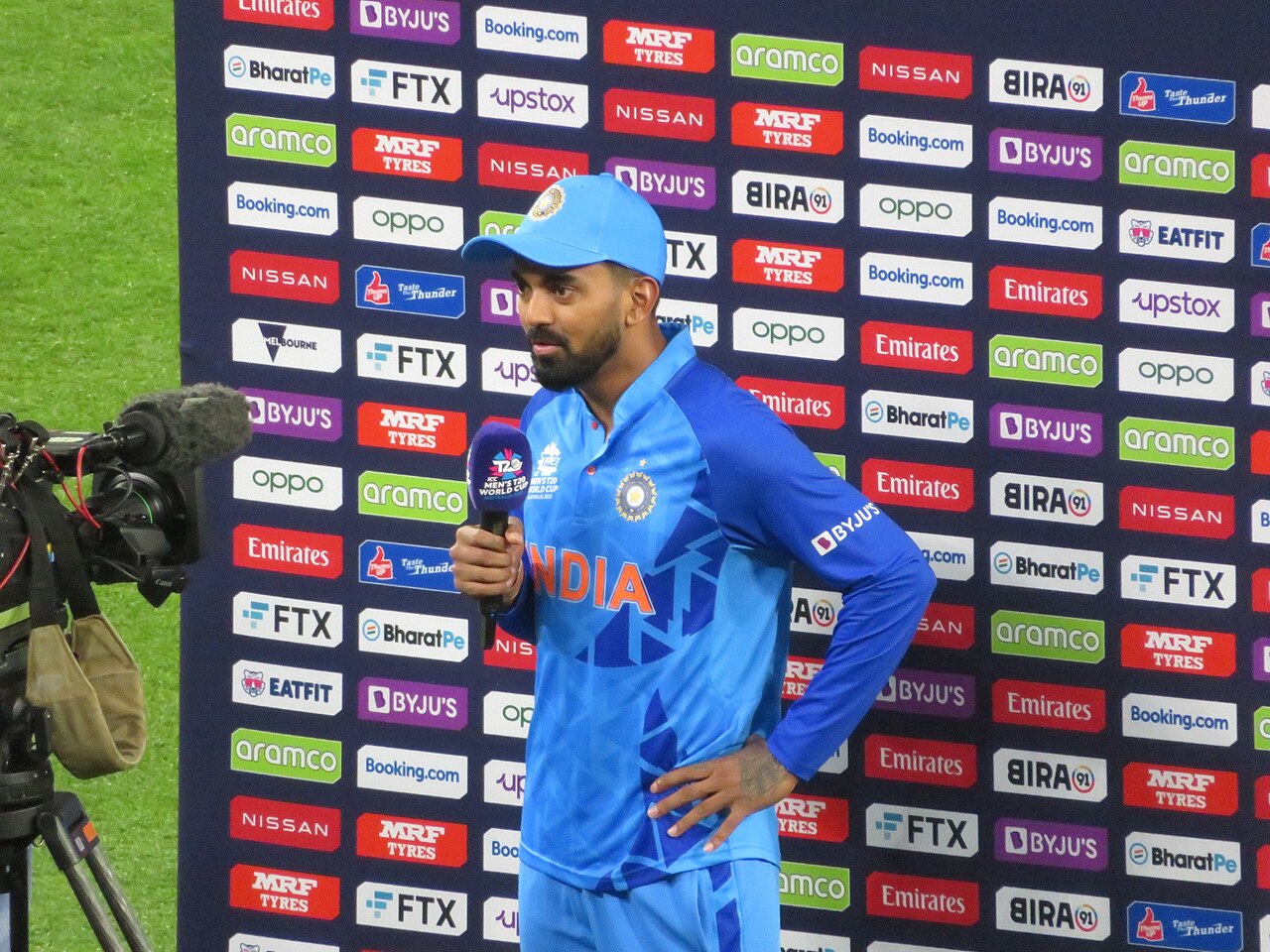
K.L. Rahul may be the seniormost batter in India’s playing XI, but nearly 12 years after making his Test debut, he was making his maiden appearance in New Zealand.2
He made the wait worthwhile, becoming the first Indian opener to score Test hundreds in all four SENA countries and laying the foundation for India to take a commanding position in the first Test at Basin Reserve.2
Having arrived in New Zealand well before the Test to acclimatise, the opener spent considerable time in the nets trying to understand conditions he had never encountered in red-ball cricket.2
Rahul said on Saturday (November 21, 2026).2
“It feels really awesome actually to be able to achieve something like that,” Rahul said.2 “He left a lot of deliveries. He made the bowlers bowl at him. It’s the basics of cricket. But sometimes, basic things are the most difficult.”
Rahul said, “I have been here for a good three or four weeks, been here a long time. Spent a lot of time in the nets when I got here. Unfortunately, I didn’t get a lot of runs in that India A game. But I used the time in the nets and tried to figure out how I can give myself the best chance to succeed in these conditions.” “A lot of prep, a lot of hard work, a lot of homework.”
“There was a time when I wasn’t opening for 15-18 months. I was playing in the middle. I had a habit of playing bat on ball,” Rahul said.
Pant’s Century and the Chase
Rishabh Pant then took charge of the innings with an aggressive knock.1
Resuming Day 4 unbeaten on 55, the wicketkeeper-batter brought up his ninth Test century with a six over long-off against Glenn Phillips.1
Pant eventually departed for 128 off 153 deliveries, an innings that included 10 fours and six sixes.1
Anshul Kamboj also contributed with a knock of 38 off 42 balls, striking six fours and a six.1
He was the last batter dismissed, stumped off Glenn Phillips, as India declared at 720/9.1
For New Zealand, Phillips finished with three wickets, conceding 154 runs in 24 overs.1
New Zealand’s Response and the Lead
New Zealand had earlier posted 368 in their first innings after being asked to bat first, with Henry Nicholls scoring an unbeaten 175 and Phillips contributing 118.1
Jasprit Bumrah led India’s bowling attack with four wickets, while Akash Deep claimed three.1
India’s declaration gave them a commanding first-innings lead of 352 runs, leaving New Zealand with a challenging task in their second innings as the visitors looked to take control of the opening Test.1