Key facts
- Passengers travelling on the newly introduced Ayodhya Dham-Janakpur Dham weekly express train received a warm welcome at platform no. 2.1
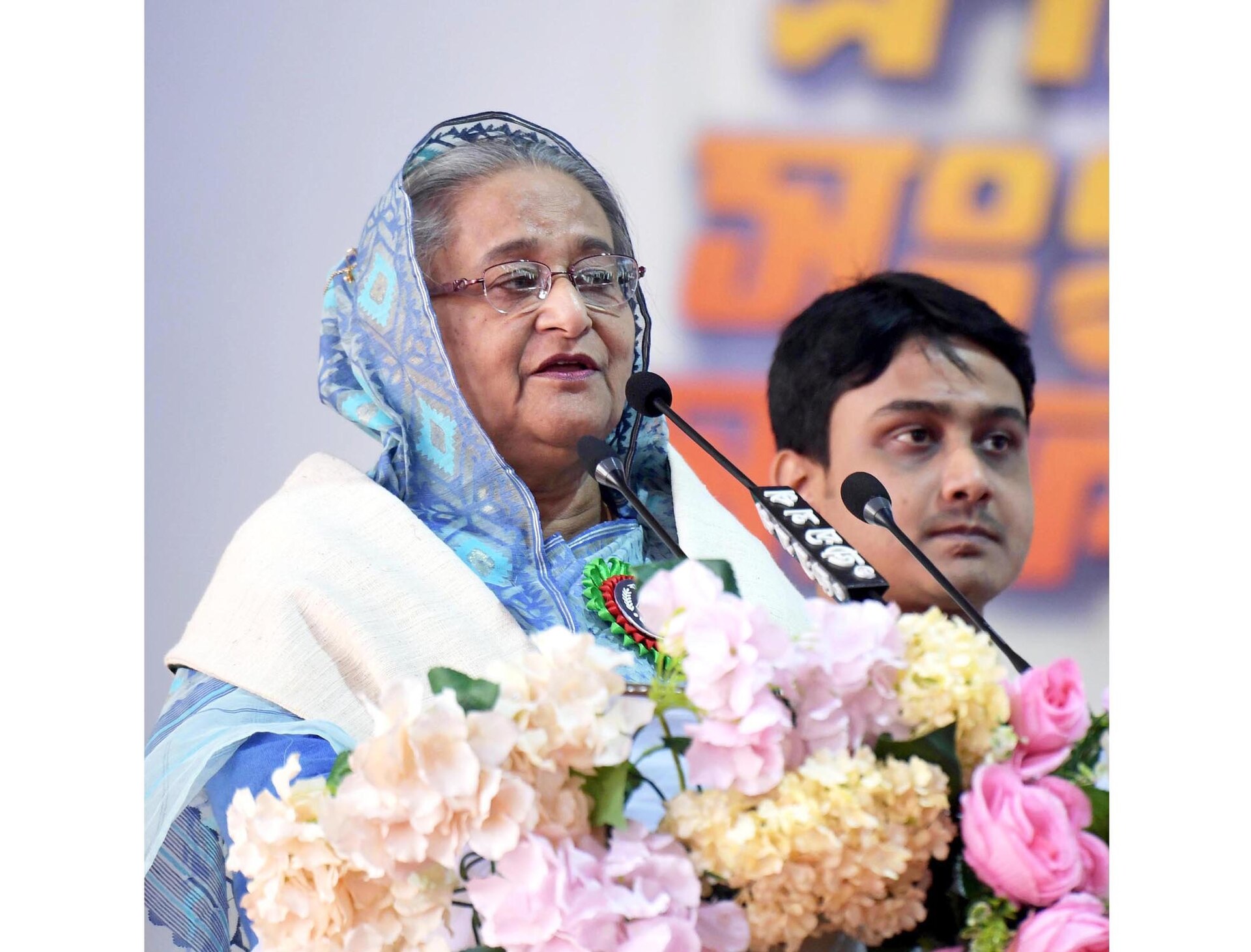
- Prime Minister Narendra Modi and his Nepalese counterpart Balendra Shah jointly launched the service virtually from New Delhi.1
- The regular weekly passenger service will commence on November 28, Saturday.2
- The inaugural special train (04295) departed from Ayodhya Dham at 12.30 pm on November 23.1
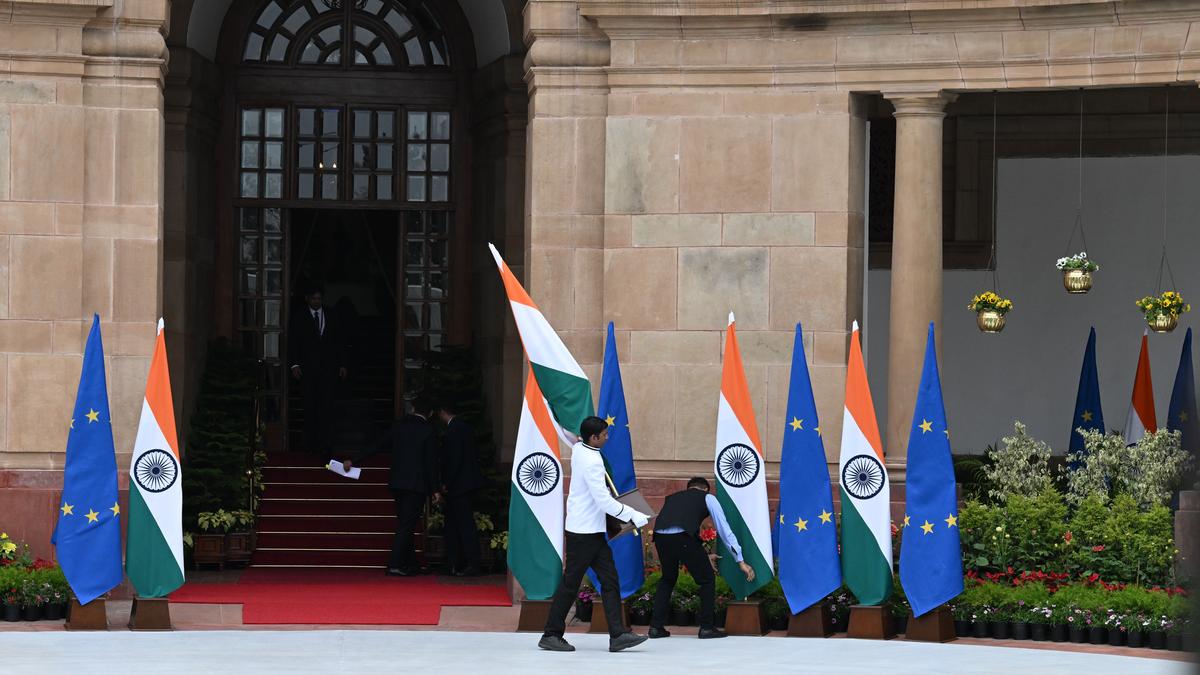
Prime Minister Narendra Modi and his Nepalese counterpart Balendra Shah jointly launched the Saryu-Kamala Express on Monday, November 23, establishing a direct railway connection between Ayodhya in Uttar Pradesh and Janakpur Dham in Nepal.1 2
UP Chief Minister Yogi Adityanath flagged off the train at a grand ceremony in Ayodhya..1 The service was launched on Monday afternoon.1
A weekly service between two holy sites
The Saryu-Kamala Express is a weekly train service connecting Ayodhya and Janakpur Dham..1 Hindu devotees consider Ayodhya to be the birthplace of Lord Ram, and Janakpur Dham is believed to be the birthplace of Mata Sita or Mata Janaki.1
The train will cover the approximately 604-km distance between Ayodhya Cantt and Janakpur Dham in around 19 hours..1 2 The service will operate once a week.1
Weekly schedule and coaches
Train number 15596 will depart from Ayodhya Cantt every Monday at 5:50 pm and reach Janakpur Dham at 12:40 pm on Tuesday..1 On its return journey, train number 15595 will depart from Janakpur Dham every Saturday at 1:10 pm and reach Ayodhya Cantt at 8:10 am on Sunday.1
The train will have 17 coaches, including seven sleeper-class coaches, three AC three-tier coaches, three AC three-tier economy coaches and two AC two-tier coaches..1 The train will be operated using a modern 17-coach LHB rake.1
Route and significance
The train will halt at 10 stations, including Jaynagar, Madhubani, Shisho, Sitamarhi, Raxaul, Narkatiaganj, Gorakhpur, Basti, Mankapur and Ayodhya Dham..1 It will pass through Uttar Pradesh, Bihar and Nepal.2
The service is expected to make pilgrimages easier and strengthen cultural, religious and people-to-people ties between the two neighboring countries..2 It is also intended to encourage cross-border tourism, trade and cultural exchanges.2