Key facts
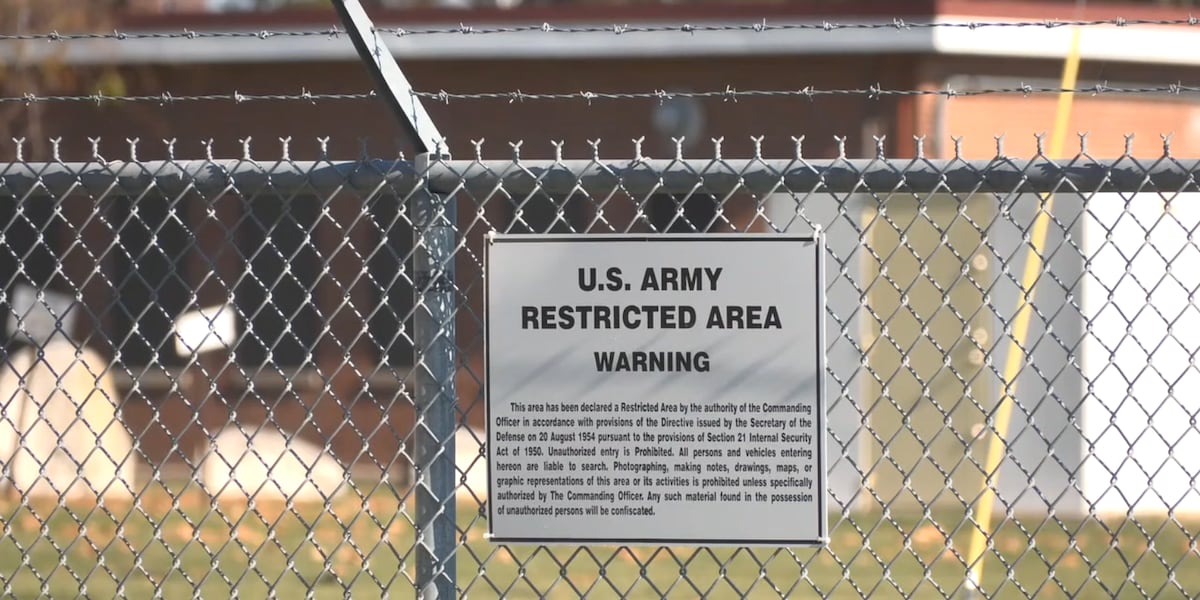
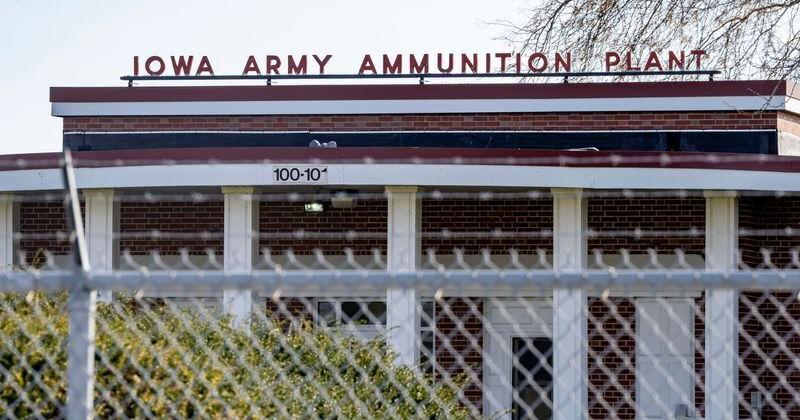
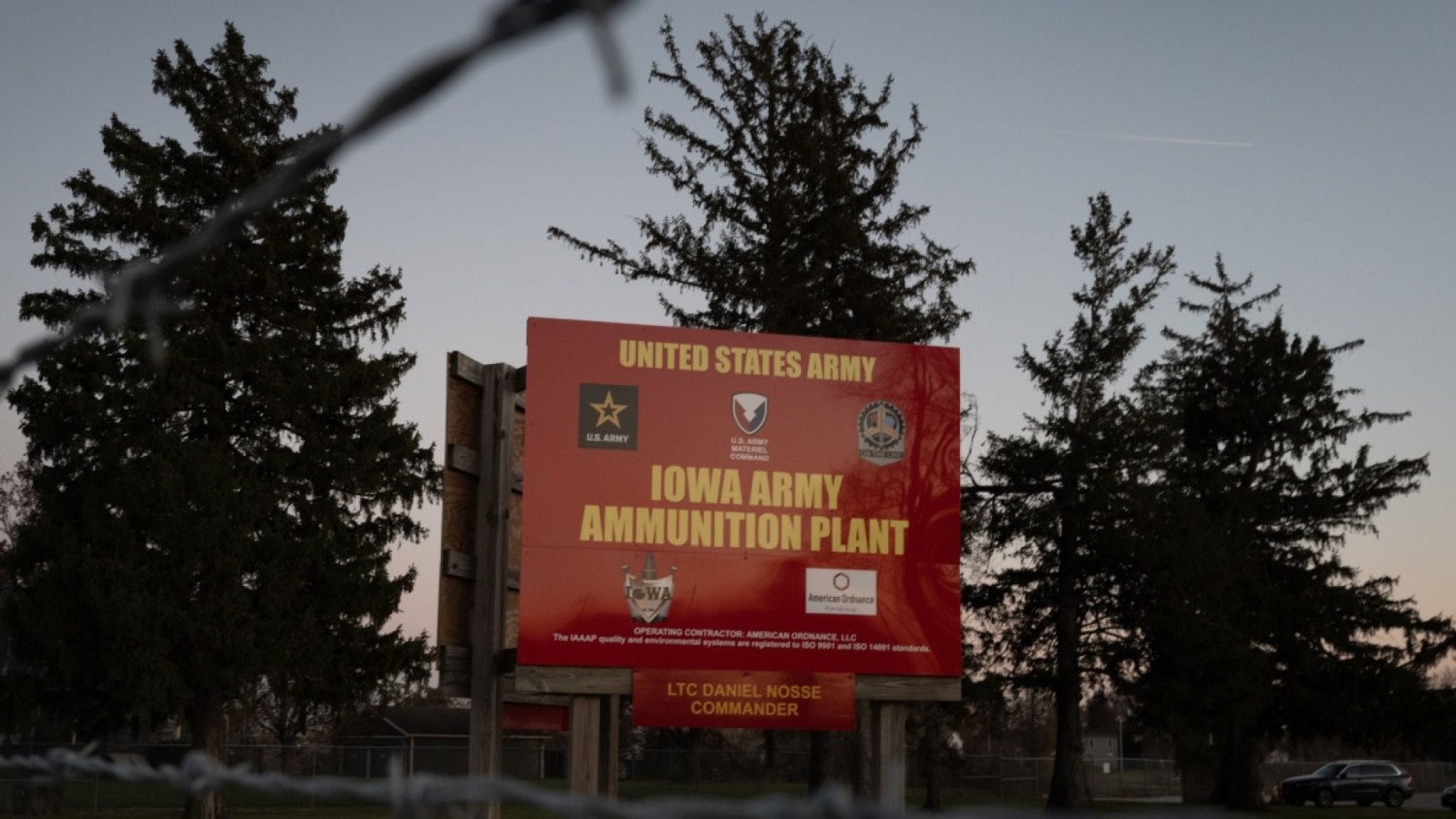
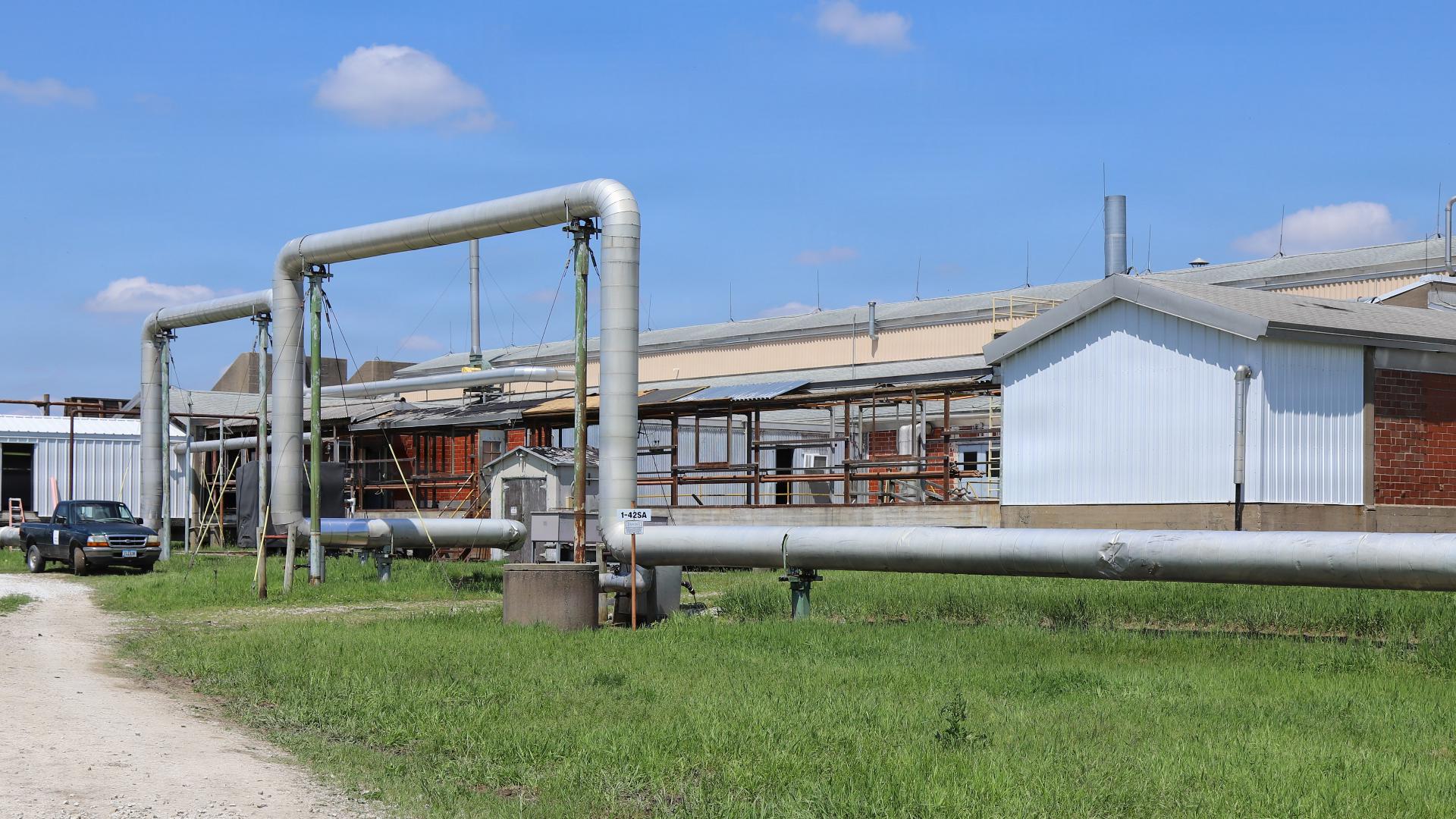
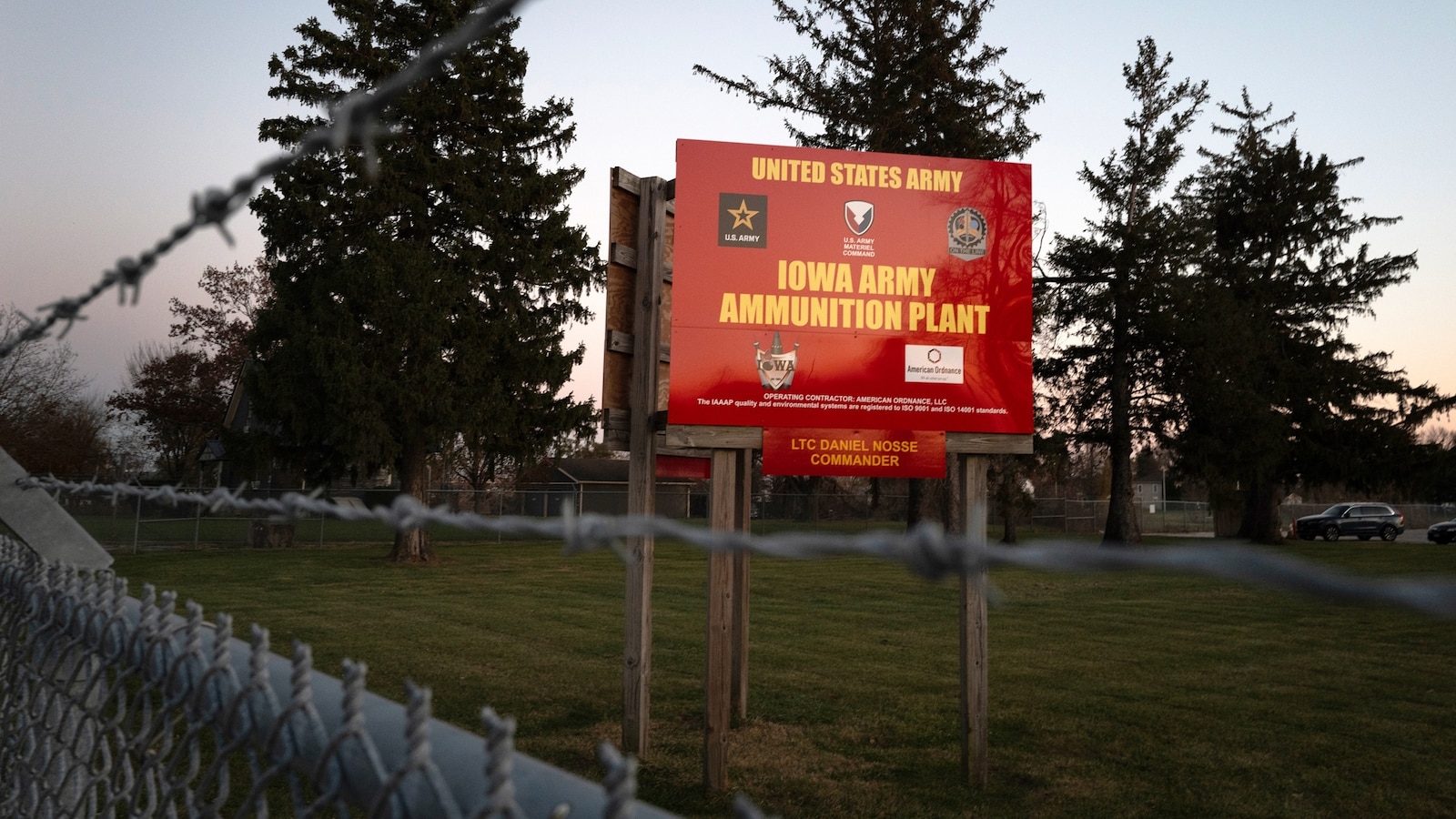
The controversial detonation is slated to take place in Middletown, Iowa, a small community about 160 miles southeast of Des Moines and about 10 miles from the Iowa-Illinois border, where the U.S. Army said it would detonate several tons of bomb-making chemicals.1
Initially scheduled to take place last week, a court battle that unfolded delayed the detonation.1
The Army said it would invoke emergency provisions to avoid the court order, saying continued delays would make the situation more dangerous as temperatures begin to drop, but President Donald Trump intervened, leaving the future of the planned detonation in question.1
What led to the planned detonation
In March, staff at the Iowa Army Ammunition Plant found several dozen barrels of degraded lead azide.1
Degraded lead azide is used in munitions production.1
The crystallization of the material created an unstable and dangerous situation, prompting the Army to assemble experts in munitions chemistry, engineering and environmental safety to come up with a plan.1
According to EPA documents, alternatives such as neutralizing and decomposing the drums' contents with other chemicals were considered.1
Officials said handling the drums would increase the probability of an accidental, fatal detonation.1
Environmental groups disagreed, arguing in a court petition that other alternatives were not fully considered.1
What the public knows
The Army had shared details during a public meeting in Middletown in October, but a public advisory a week ago was the first time other communities — some as far away as 100 miles, became aware of the potential impact.1
Nearly 400 people live in Middletown but thousands more in surrounding areas could be affected by detonated material that could disperse through the air and land on the ground.1
Experts have warned the plume of contaminants could have impacts beyond Middletown, reaching into Illinois and other locations.1
What Trump and Pritzker said
President Donald Trump took to Truth Social on Monday with his opinion on the planned lead azide detonation.2
Trump wrote, “If Sand] or the Courts do not agree, we will have no choice but to not proceed with the controlled removal of these hazardous materials, and be forced to hold the incoming Governor responsible for any and all death or destruction caused by this very unfortunate, and longterm, situation.”
Illinois Gov. JB Pritzker issued a statement Monday saying he spoke to representatives from the Army and other federal agencies, including the Environmental Protection Agency, the Federal Emergency Management Agency and the Centers for Disease Control and Prevention about the upcoming blast.1
“State agencies are on alert, and I am continuing to press for the release of more public information to help keep Illinoisans safe,” Pritzker said.