Key facts
- The court records show that Judge Matthew Sharbaugh forced DOJ to revise the plan for its search of Omar’s home.1
- CNN previously reported that the judge had limited how federal investigators could access Omar’s house and records.1
- The judge ultimately authorized the search after the government agreed to a procedure allowing Omar to assert privilege over materials.2
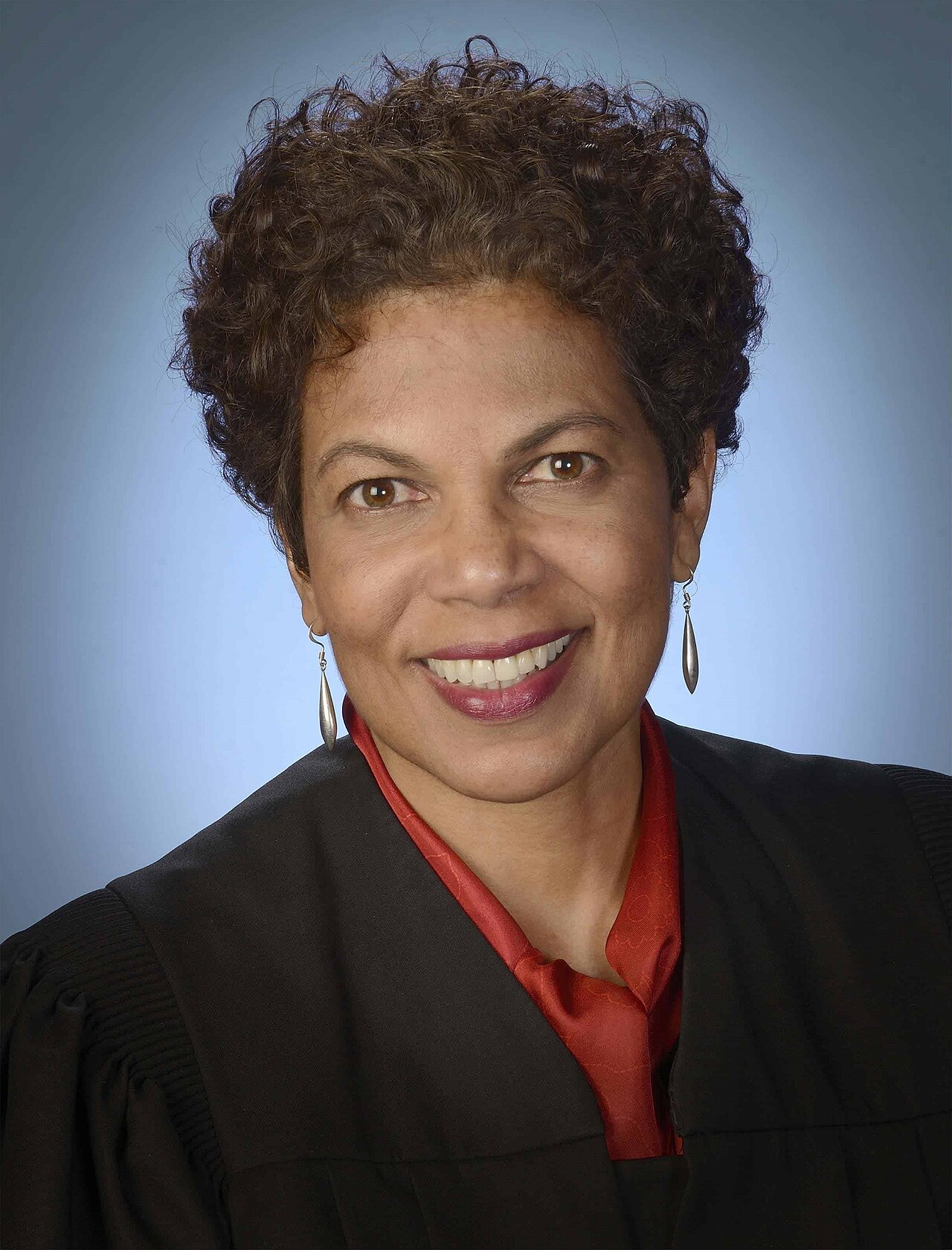
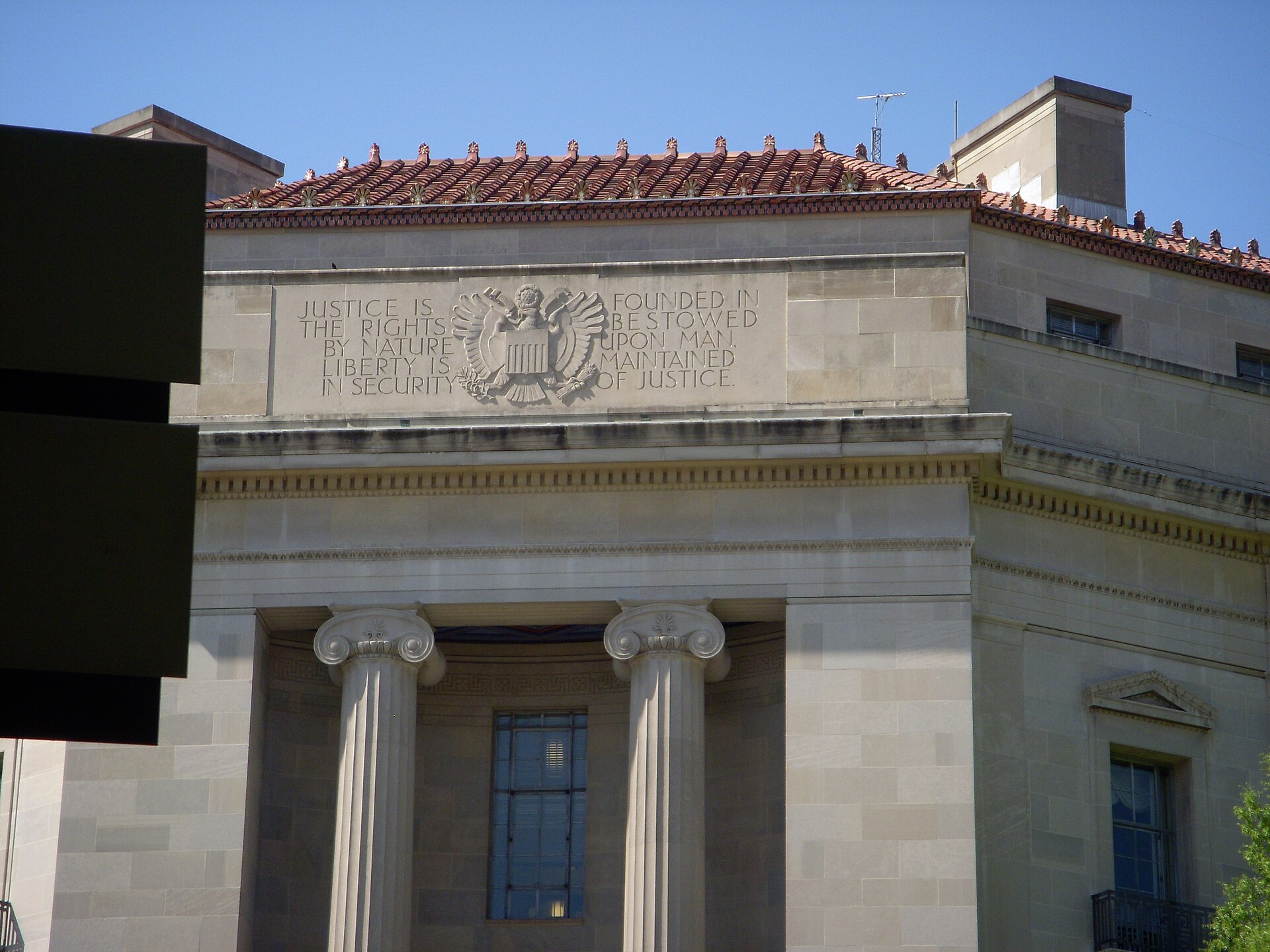
A federal magistrate judge refused to allow the Justice Department to search Democratic Rep. Ilhan Omar’s Washington, DC, house last month without taking precautions because she is a member of Congress.1
The court records show that Judge Matthew Sharbaugh forced DOJ to revise the plan for its search of Omar’s home in court proceedings over seven days in early October.1
The search took place on October 12.1
What the records show
The records released this week say investigators were searching for paper documents, electronic data, and other items dating back to 1980 that could factor into the investigation.1
The exact protocol proposed by DOJ and then approved by Sharbaugh remains under seal.1
The court records have redacted all mentions of what she is being investigated for and the DOJ’s description of the evidence it had to merit the search.1
The filings also capture an unusual and extreme argument the Justice Department made, and which Sharbaugh rejected: That Omar was unlikely to have taken home her legislative work, because people rarely have printed work product because of the internet, and her Capitol Hill office was close by.1
Prosecutors argued that the House general counsel — currently chosen by Republican congressional leadership — sided with them as well, saying that a search of a lawmaker’s private residence didn’t require extra precautions to protect the members' Constitutional protections from the Speech or Debate Clause.1
What the judge said
Magistrate Judge Matthew Sharbaugh challenged the Justice Department’s position that congressional protections applied only to official legislative offices and certain electronic devices.2
Sharbaugh argued that investigators' interests had to be weighed against Omar’s constitutional privileges as a sitting member of Congress.2
“The government can still pursue criminal investigations against Members of Congress, and it can still secure and execute search warrants along the lines contemplated here,” Sharbaugh said. “A Member’s legislative work is not limited to banker’s hours.”
Sharbaugh said, “And a Member’s legislative work is not nearly cabined to the four walls of their Congressional office. More so than many vocations, the work of a Congressperson occurs in many different settings in many different places at many different times.” “It simply must do so while fairly balancing the legislative interests by allowing the Congressperson targeted by any such search warrant an opportunity to identify any protected material before the search, subject to potential further scrutiny and review by the courts, if necessary.”
What the judge allowed
The judge authorized the search after the government agreed to a procedure allowing Omar to assert privilege over materials potentially protected by the Speech or Debate Clause.2
The precise details of that arrangement remain partly obscured in the released records.2
Chief U
The release does not disclose the evidence investigators relied on to obtain the warrant.2
Chief U.S. District Judge James Boasberg kept the 67-page search-warrant affidavit sealed, agreeing with the Justice Department that making it public at this stage could compromise the ongoing investigation.2
Agents with Homeland Security Investigations entered Omar’s Washington residence and seized her phone, among other items.2
What the records do not say
The records provide a clearer picture of the legal safeguards debated before the search, rather than a definitive account of the allegations against Omar.2
The investigation has not resulted in criminal charges against the congresswoman.2
Several Trump administration officials have publicly said Omar is under investigation for immigration fraud, including lying about her age , allegations which she denies.1
Omar, a naturalized US citizen who fled Somalia as a child, maintains she was born in 1982.1