
Key facts
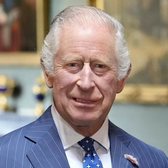
King Charles has volunteered to pay the new “mansion tax” on his palaces, despite being legally exempt from the charge.1
The levy, officially known as the High Value Council Tax Surcharge (HVCTS), was announced last year by Chancellor Rachel Reeves and will sting owners of Britain’s most expensive homes.2
The tax is expected to affect roughly 156,000 properties in its first year, adding between £2,500 and £7,500 to annual council tax bills.1
The levy comes into effect from April 2028 and applies to homes valued at £2 million or more.1
Properties valued up to £2.5 million will face an annual bill of £2,500, rising to a maximum of £7,500 for those worth more than £5 million.2
The newspaper reports it has not yet been finalised which specific royal properties will be included in the King’s bill..1 The King privately owns the Balmoral estate in Scotland and Sandringham in Norfolk, having inherited both from his late mother.1
Royal residences and exemptions
Official residences including Buckingham Palace, Windsor Castle, the Palace of Holyroodhouse, and Clarence House are owned by the Crown Estate.1
The Palace of Holyroodhouse in Edinburgh, the King’s official Scottish residence, will not be eligible as the tax only applies in England.2
Highgrove House, the King’s country estate in Gloucestershire, is owned by the Duchy of Cornwall, meaning that any tax bill will need to be paid by his son Prince William, the current Duke of Cornwall.1 2
A royal tradition
King Charles’s decision to pay the levy follows a convention started by his mother, the late Queen Elizabeth, who volunteered to start paying income and capital gains taxes from 1993.2
In a bid to promote greater transparency following increased security of royal finances, Buckingham Palace chose to disclose the King’s personal tax bill in June.3
The Royal Family could face annual bills running into thousands of pounds on some of the country’s most famous residences, including Buckingham Palace and Windsor Castle..2 The move is understood to have been communicated to the Treasury and reflects the Royal Household’s commitment to 'transparency and accountability'.2
Other royals and the tax
Other Crown-held royal properties which could be affected include Clarence House, the King’s official London residence, St James’s Palace and Kensington Palace.2
Prince William is the current Duke of Cornwall and holds the Duchy of Cornwall.1 2