Learjet 60 crash kills 9; turbulence, climate change linked to more hazards

Key facts
At 12:47 pm on November 1, the co-pilot of a Learjet 60 private jet reported some light ice buildup on the plane and moderate turbulence en route from Austin, Texas, to the Bahamas.1
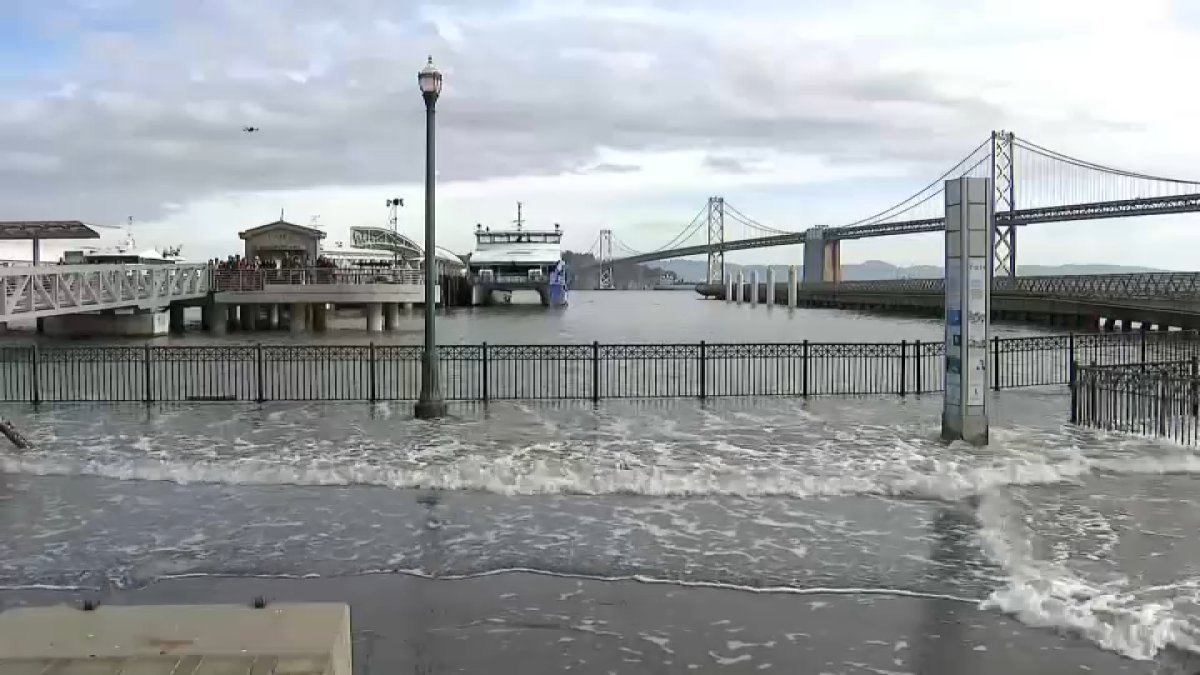
Less than two minutes later, the co-pilot transmitted a panicked mayday call as the plane plunged toward the ground and slammed into a Florida road.1
All nine people on board the Learjet 60 died.1
Investigators are still working to unravel the causes of the tragedy.1
Icing And Turbulence
Icing and turbulence are among the biggest aviation hazards.1
Planes are built to handle a huge range of situations, and pilots have forecasts, onboard radar and air traffic control to help them navigate the skies.1
Singapore Airlines Flight SQ321 was flying from London to Singapore in May 2024 when it encountered severe turbulence over Myanmar.1
The plane dropped suddenly, flinging people, their belongings, plates and cutlery around the cabin.1
The plane was forced to make an emergency landing in Bangkok, Thailand.1
More than 70 people were injured and a 73-year-old British man died of a suspected heart attack.1
Climate Change And Clear-Air Turbulence
Turbulence is one of the most unpredictable weather phenomena for pilots.1
Turbulence is caused by disturbances in the atmosphere, such as mountains and storms changing the way the air moves.1
Clear-air turbulence is so called because it seems to appear out of nowhere and is invisible to standard aircraft radar.1
Clear-air turbulence is caused by wind shear, a rapid change of wind speed or direction.1
Wind shear often occurs near the jet stream, a band of strong winds around 5 to 7 miles above Earth’s surface.1
There is growing evidence climate change is making clear-air turbulence more frequent.1
As the planet warms, temperature differences in the upper atmosphere between the poles and the equator are increasing, making wind speeds more volatile.1
Climate change has increased severe clear-air turbulence over the North Atlantic by 55% since satellites first began observing it in 1979, according to a 2023 study.1
Some locations could see three times as much of this kind of turbulence over the next few decades, which could translate to a big increase in bumpy flights if forecasting doesn’t keep up, said Paul Williams, a professor of atmospheric science at Reading University in England.1
“Hopefully that doesn’t happen because that would make flying a very scary experience for many people,” Williams said. “is undoubtedly going to lead to a lot more moderate and severe turbulence.”
El Niño And The 1997 Fatality
During a super-strength El Niño in the winter of 1997 and 1998, there was a spike in pilots' reports of turbulence, particularly over the US and the North Atlantic.1
Williams' research found a roughly 20% increase in wind shear during super strong El Niño events.1
The death onboard the Singapore bound flight is believed to be the first fatality on a commercial flight solely related to turbulence for decades.1
The last recorded such fatality was in December 1997, in the middle of a strong El Niño, when a United Airlines flight from Tokyo to Honolulu hit severe clear-air turbulence over the West Pacific Ocean, killing a 32-year old Japanese woman.1
Investigators are still working to unravel the causes of the tragedy, but they are looking very closely at weather.1
Planes are designed to absorb turbulence; it’s why their wings can flex.1
Sources
Every number in the story points here. Each links to the original reporting.
CenterABC7 News Bay Area
See a sentence its source doesn’t back up?
Tell us the source number and what’s wrong. We check every report. If we change the story, the fix goes on the corrections page with the old wording.