Key facts
Potentially record-breaking king tides are expected to create a growing risk of flooding along the Los Angeles County coast next week, as unusually high water levels combine with an incoming swell and elevated sea levels.2
The National Weather Service said the Thanksgiving week period is “particularly concerning” because of a Kelvin wave, thermal expansion of ocean water, perigean spring tides and a large, long-period west swell.2
King Tides And A Sizable Swell
Water levels are expected to reach near 9 feet at the highest tides of the day in the morning hours during the king tides, poised to break records set just a few weeks ago in October.1
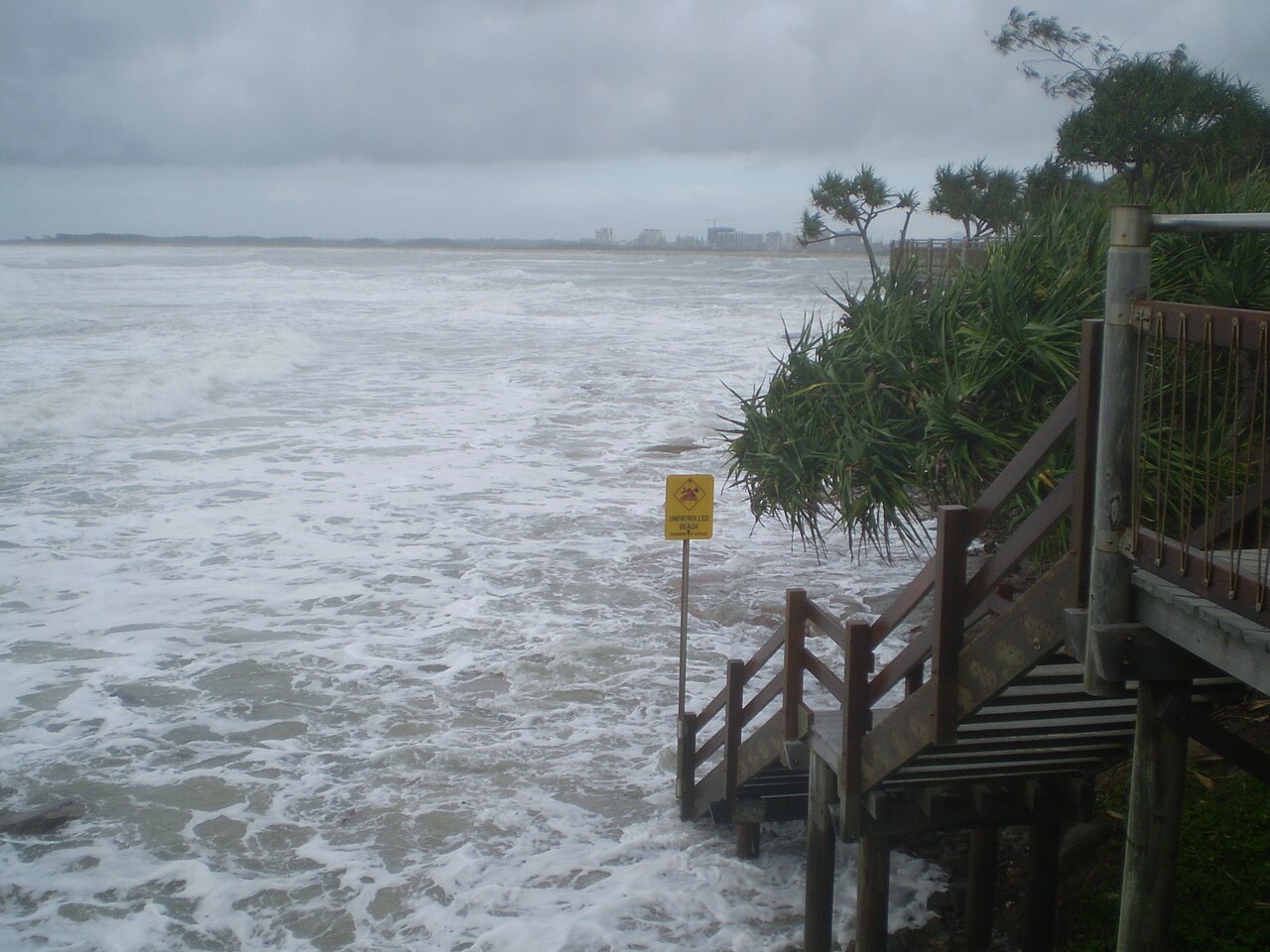
A sizable swell is hitting the region, which could cause flooding and damage like was seen in Newport Beach and Long Beach in early October and Seal Beach just last week when waves breached berms.1
High tide and swells together could further damage already battered beachfront homes in Long Beach, Laguna Beach and Dana Point.1
Early forecasts indicate some rain on the horizon, potentially creating a trifecta of mess that could further back up flooded water onto streets.1
Residents And Officials Prepare
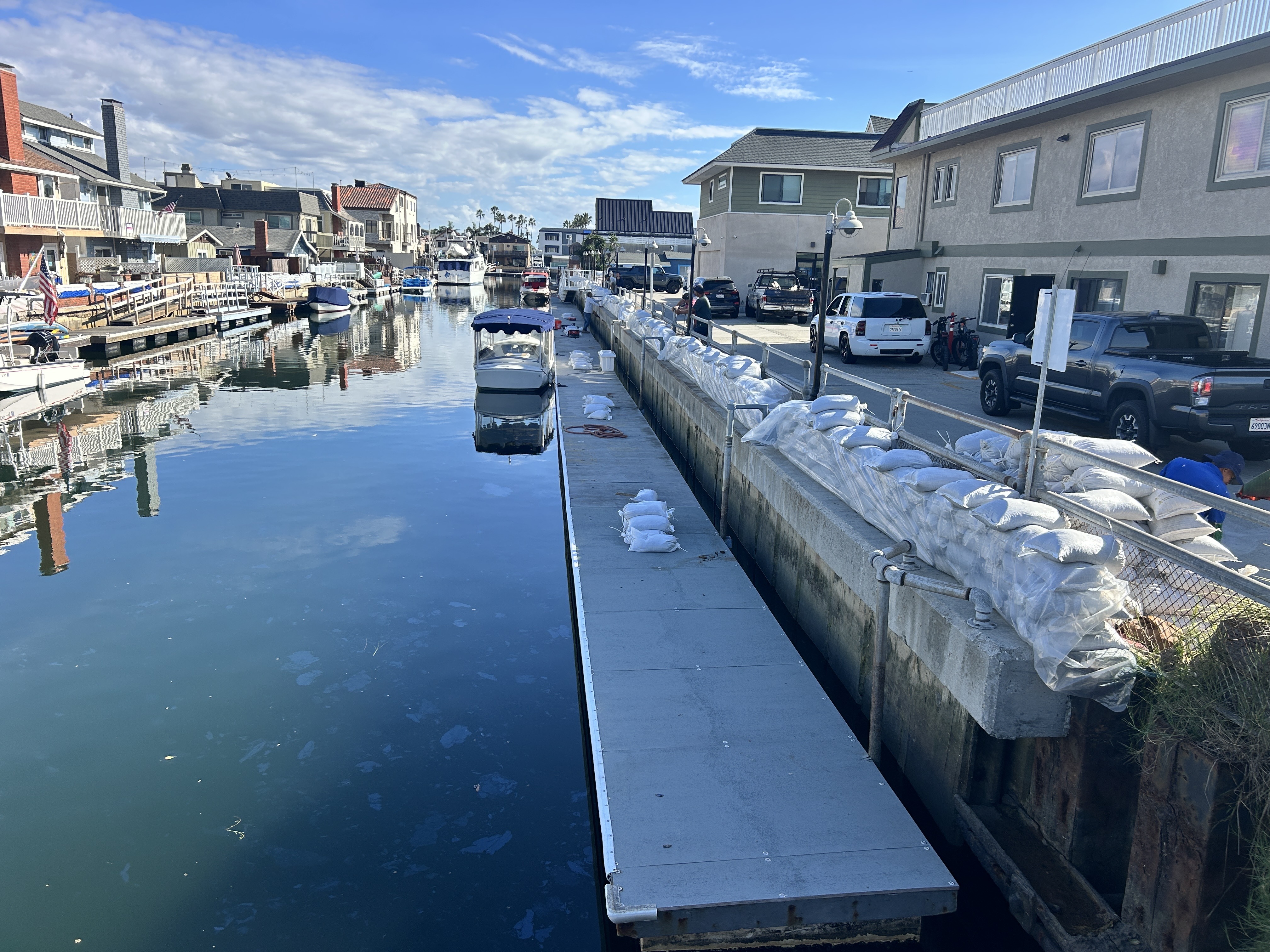
Oceanfront and harbor residents around the region are encouraged to keep building up their sandbag fortresses in areas that could be threatened by water intrusion, including low seawalls, garages, doorways, and other openings.1
Residents should also check their private drains and tide valves for potential backflow.1
Residents are also reminded to move vehicles — especially electric vehicles, golf carts, and e-bikes — to higher ground.1
Long Beach continues to actively respond to significant damage to its Peninsula area, which was hit during Hurricane Marie and Tropical Storm Rachel during the summer.1
The combination of an unusually large, long-period southerly swell, wave energy and elevated tides resulted in substantial beach erosion, damaging portions of the Peninsula boardwalk and bulkhead.1
Seven homes have been red-tagged in recent months from ocean damage.1
The Marina Stadium will be closed to the public during peak high tide periods, officials said.1
The total current cost for storm response through Oct. 30 is estimated between $3 million and $5 million.1
Long Beach is warning residents to prepare not just for the upcoming king tides but also the developing El Niño season when the region could experience repeated periods of heavy rainfall, strong winds, high surf, large waves, coastal flooding, erosion, localized flooding, transportation disruptions, power outages, damage to homes and critical infrastructure, and interruptions to essential services, according to the city memo.1
In addition to the potential impacts to the Peninsula and coastal areas, severe winter weather could affect critical infrastructure and facilities in other parts of the city as well.1
Some of the preventive measures that Long Beach is taking include constructing sand berms on the bayside of the Peninsula, Bayshore Drive and Marine Stadium; placing sandbags on the seawalls on the bayside and oceanside of the Peninsula; installing 30 larger, 3,000-pound sandbags; purchasing four trailer-mounted pumps using available one-time funds; and renting 10 trailer-mounted pumps, among other efforts.1
Crews and homeowners are watching, ready to jump into action if flooding starts to wreak havoc.1