Key facts
- Nearly 64% of voting-age citizens cast ballots in the midterm election1
- Petitioners will have to collect more than 72,000 signatures for a statewide referendum1
- The higher bar will apply to two current signature-gathering efforts1
- The Protect Girls Sports in Maine group filed a new batch of signatures the day before the Nov. 3 election1
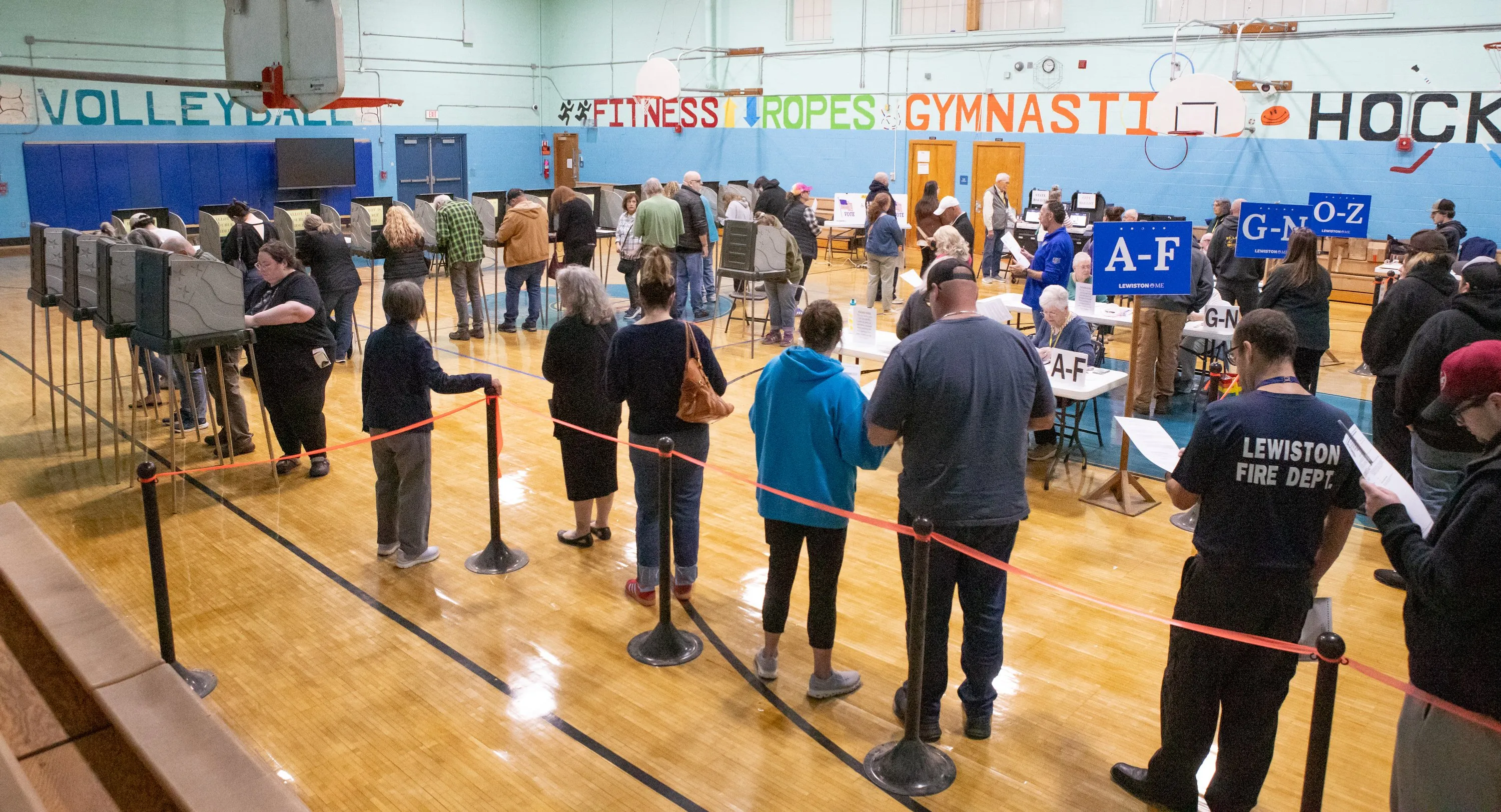
Maine is once again expected to have one of the highest voter turnouts in the country this year, with nearly 64% of voting-age citizens casting ballots in the midterm election.1
People frustrated with the slow pace — or the overall direction — of state lawmaking will have to gather thousands more signatures to place a referendum on the state ballot.1
Higher signature threshold
This week, the Department of the Secretary of State announced that 731,486 ballots had been cast in the midterms, but more than 9,000 gubernatorial ballots were blank.1
That means petitioners will have to collect more than 72,000 signatures for a statewide referendum , some 4,600, or nearly 7%, more than the current threshold.1
The threshold for signatures set in the Maine Constitution is 10% of the ballots cast in the previous gubernatorial election.1
In the 2022 election, the last gubernatorial cycle, Maine led the nation with 61.8% of voting-age citizens casting ballots.1
The previous signature threshold was 67,682, after removing blank ballots.1
The Election Assistance Commission will finalize turnout for the 2026 cycle in early 2027.1
Two petitions face higher bar
The higher bar will apply to two current signature-gathering efforts, one directing lawmakers to draft a bill to provide healthcare to all Maine residents and another that would change the state’s marijuana laws.1
A third referendum seeking to ban transgender girls from school sports, locker rooms and restrooms would not be affected, since that group filed a new batch of signatures the day before the Nov. 3 election.1
Protect Girls Sports in Maine
Leyland Streiff, the principal officer of the Protect Girls Sports in Maine group, said his organization made a strategic decision to turn in its additional signatures the day before the midterm election, but not because of anticipated voter turnout.1
“It was actually strategic to ensure that all of the signatures from the first submission were still valid signatures for the resubmission,” Streiff said. “If we had submitted later, we would have been beholden to the 10% of what this election was.”
The petitions were challenged and the secretary of state’s office invalidated more than 4,000 signatures because they were collected improperly, leaving the group 500 short.1
The state’s decision was upheld by Maine’s highest court.1