Key facts
- The One Big Beautiful Bill Act, signed by President Donald Trump last year, requires many nondisabled adults enrolled in Medicaid in 43 states and Washington, D.C., to work, volunteer or attend school at least 80 hours a month.1
- In most states, residents impacted by a disaster can be granted a short-term exemption from Medicaid work requirements, but it is unclear whether those who lost jobs after Hurricane Lowell would be eligible for that exemption so many months later.1
- Hawaiʻi Gov. Josh Green, a Democrat and practicing physician, emphasized the importance of quickly issuing disaster declarations, especially as changes to Medicaid are set to take effect.1
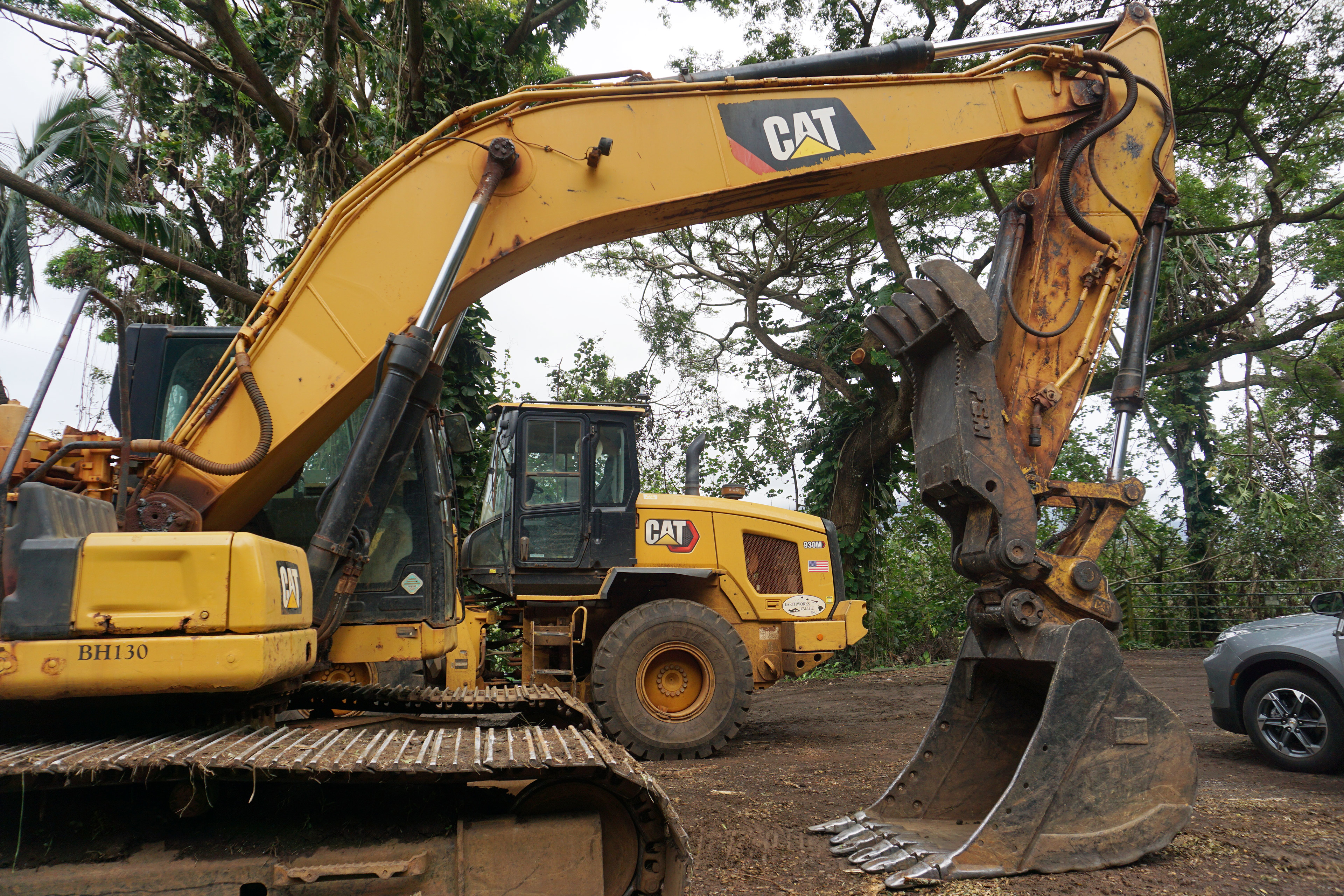
A month after Hurricane Lowell hit Kauaʻi, downed trees, construction crews and damaged homes dotted the neighborhoods, and over 100 workers were laid off at the Sheraton Kauaʻi Resort, where heaps of sand blanketed the grounds and the drained pool’s concrete deck crumbled into the beach, just steps away from the ocean.1
On Kauaʻi, unemployment claims jumped from 69 before the September hurricane to about 1,800 nearly two weeks afterward, with widespread layoffs in the tourism industry amid a sharp decline in visitors.1
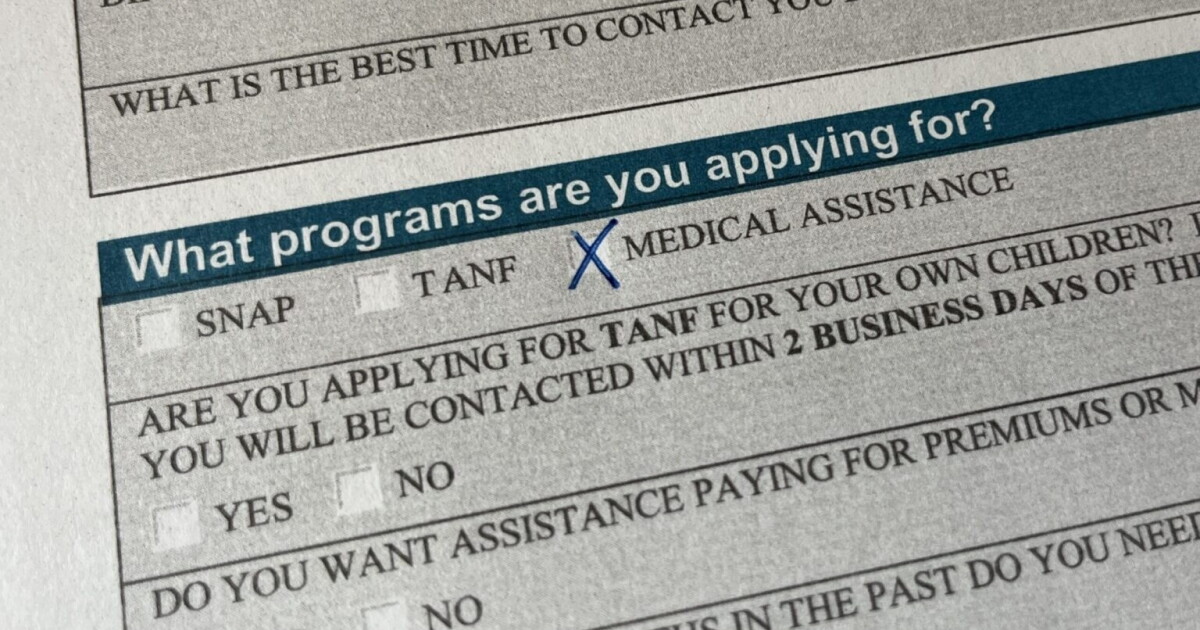
In the following month, the number of Medicaid applications submitted by island residents jumped by about 50%, according to the Hawaiʻi Department of Human Services.1
A Law That Could Put Coverage at Risk
In times of emergencies, Medicaid provides a critical safety net for people to maintain healthcare coverage.1
But new work rules in the One Big Beautiful Bill Act, which President Donald Trump signed last year, have put Medicaid enrollees living in disaster-struck counties at risk of losing health insurance.1
The law requires many nondisabled adults enrolled in Medicaid in 43 states and Washington, D.C., to work, volunteer or attend school at least 80 hours a month.1
Eligibility largely relies on a federal law that allows the president to issue a disaster or emergency declaration and authorizes federal assistance, but any declaration can take months or may not come at all.1
Exemptions, Delays and Uncertainty
In most states, residents impacted by a disaster can be granted a short-term exemption from Medicaid work requirements.1
The Centers for Medicare & Medicaid Services allowed states to delay enforcing the work requirements until next July, but states are still expected to implement eligibility checks by Jan. 1.1
Hawaiʻi officials said they will keep people who don’t meet the work requirements enrolled until July.1
At least 34 states, plus Washington, D.C., plan to adopt the optional hardship exemptions to those work requirements.1
So far, four states — Indiana, Iowa, Missouri, and Ohio — do not plan to adopt the exemptions, according to KFF, a health information nonprofit that includes KFF Health News.1
All four states were issued disaster declarations for severe storms and flooding this summer.1
CMS spokesperson Timothy Foster told KFF Health News in a statement that states can request a longer duration for a hardship exemption if they can prove that barriers to demonstrating work requirements persist in disaster areas.1
Rochelle Ganotisi
Rochelle Ganotisi, a mother of five, and her boyfriend were laid off by Sheraton and are getting by with unemployment payments and part-time work.1
If Ganotisi isn’t hired back to her housekeeping job by then, she plans to apply for Medicaid, the federal-state program that provides health coverage to people with low incomes or disabilities.1
Tom Cotter, CEO of Health Response Alliance, a nonprofit focused on improving healthcare access in disasters, said that when people lose coverage they end up using emergency rooms and charitable clinics, among the few places that will treat patients regardless of their ability to pay.1