Key facts
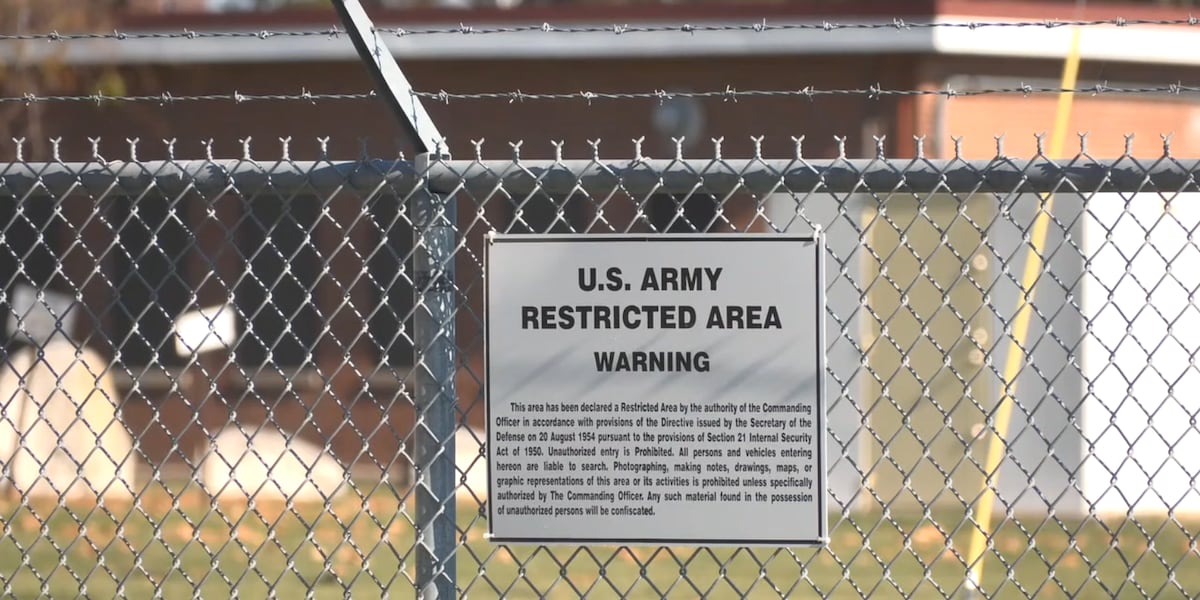
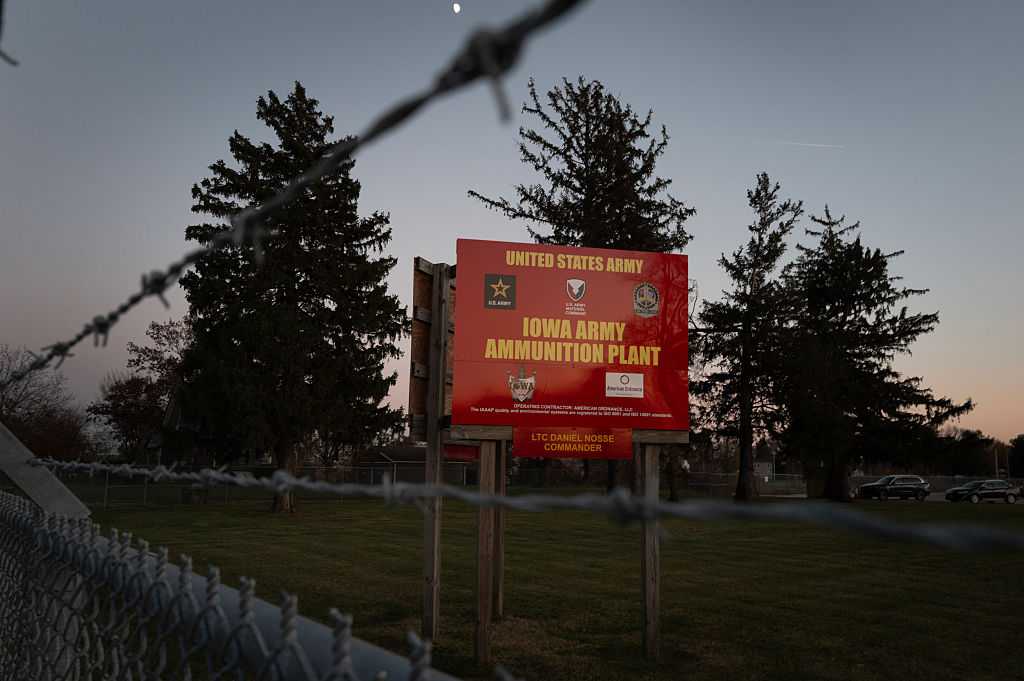
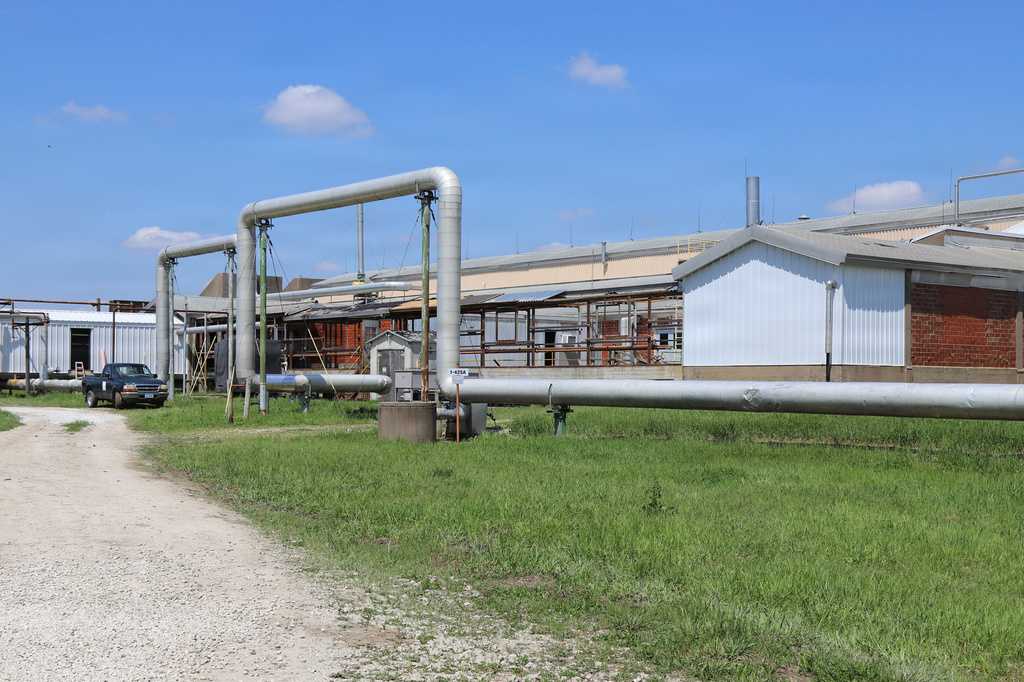
People living in and around Middletown, Iowa, are deciding whether to stay home or leave the area as the U.S. Army prepares to detonate 68 barrels of degraded lead azide at the Iowa Army Ammunition Plant.1
The operation was originally scheduled for Friday but was postponed until Monday, Nov. 23, following an announcement Thursday by Acting Secretary of the Army Adam Telle.1
Environmental groups challenge the operation in federal court, seeking to halt the detonation, over potential health and environmental risks.1
Residents split on whether to stay or go
Leslye Krieger, who has lived in Middletown for about 50 years, said she initially misunderstood the scope of the operation when it was discussed at a city council meeting.1
“I came here 50 years ago and then we built this house here. People would say are you concerned about living in Middletown, and I said wouldn’t build a house if I was concerned,” Krieger said.
Stan Erwin, another Middletown resident, said he believes the Army has been transparent about its plans and has given the community time to prepare.1
Erwin said he and his neighbors plan to remain in their homes during the operation.1
Matthew Mitchell, who lives nearby, also said he is not particularly concerned about the detonation.1
Mitchell acknowledged the possibility of minor damage but said he believes the operation needs to happen.1
Mitchell said the Army previously conducted soil testing in the area and expects additional testing after the detonation.1
Daren Morris, who also lives in Middletown, said he plans to get his elderly parents out of the area as a precaution.1
Morris said his elderly parents are in their eighties and live a couple of blocks from him.1
Army says detonation is lowest-risk option
The Army has said the deteriorating explosive material cannot be safely moved and that a controlled detonation is the lowest-risk disposal option.1
Officials are expected to release updated atmospheric modeling ahead of Monday’s operation to help determine which areas could be affected by airborne lead particles.1