

Key facts
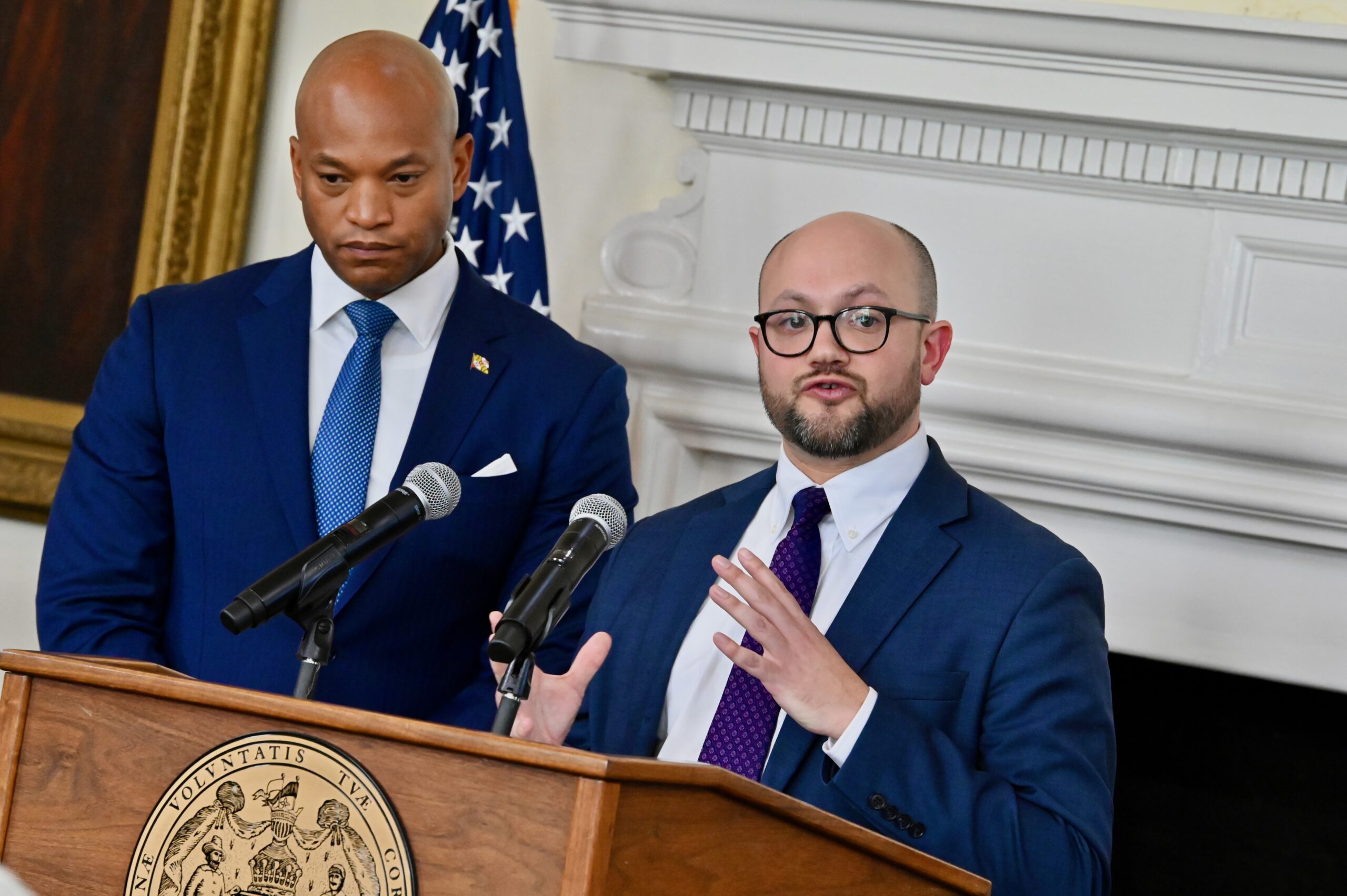
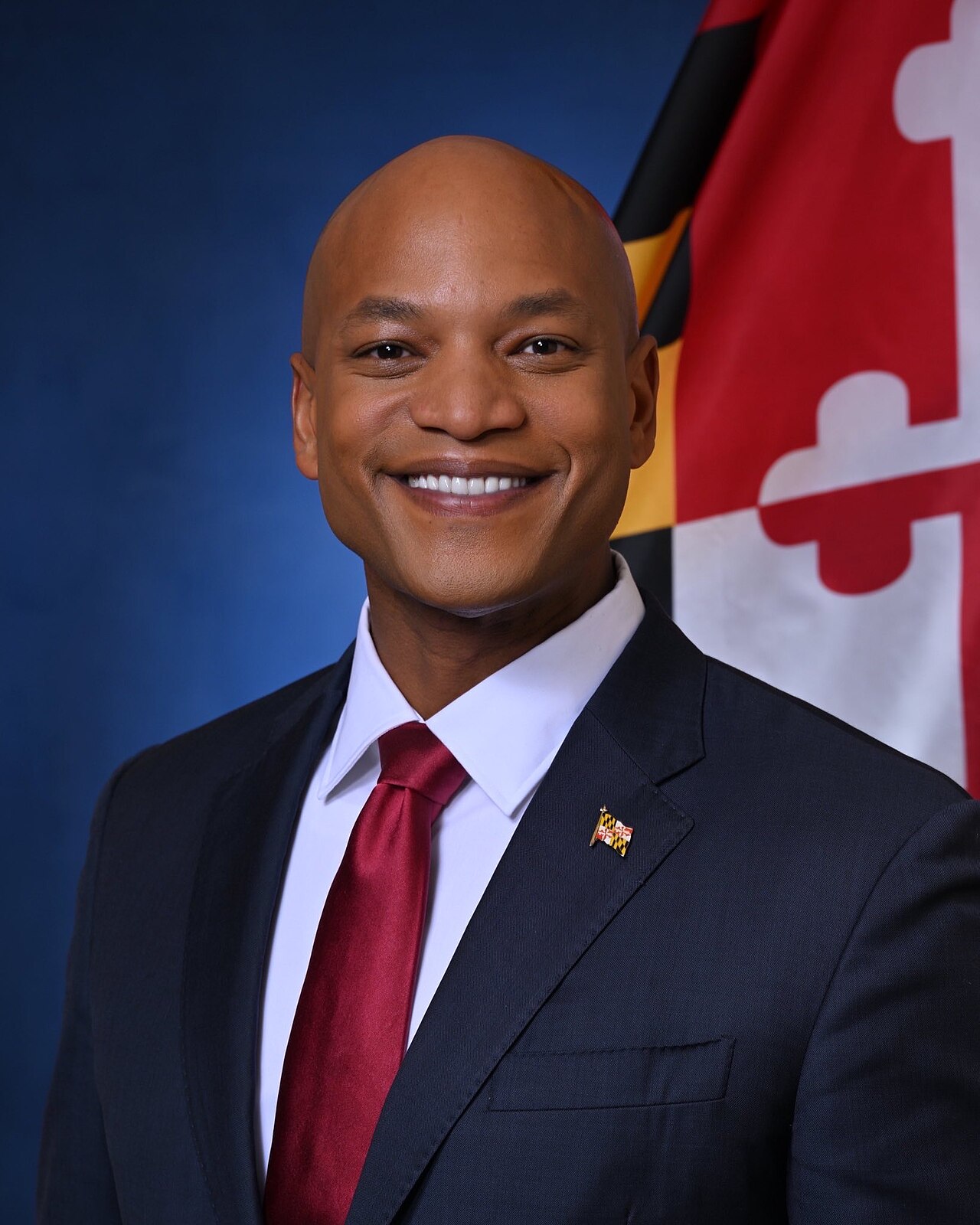
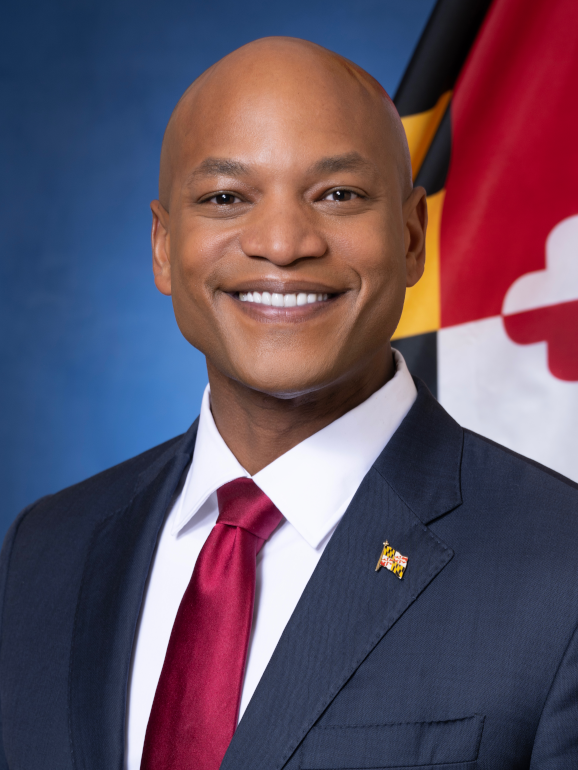
- Governor Wes Moore announced the Maryland Department of Assessments and Taxation launched a new property tax exemption for qualifying affordable housing properties.1 2
- Governor Moore announced the Maryland Department of Assessments and Taxation (SDAT) launched a new property tax exemption for qualifying affordable.1
- Since the exemption’s launch in July 2026, SDAT has approved nearly 40 affordable housing developments.1
Governor Wes Moore announced that the Maryland Department of Assessments and Taxation (SDAT) has launched a new property tax exemption aimed at encouraging affordable housing development across the state.1 2
The exemption is an implementation of a bill passed by Del.1 Nick Allen and Sen. Shelly Hettleman, and was signed into law by the Governor this past session.1
What the exemption covers
The exemption, which launched in July 2026, eliminates state and local property taxes for qualifying affordable housing properties owned entirely or partially by nonprofit housing corporations.1 2
According to the Governor’s Office, nearly 40 affordable housing developments have already been approved under the program.2
How to qualify
To qualify, developments must meet certain requirements, including having at least 50% of units restricted to households earning no more than 60% of the area median income, along with qualifying tax credit or local government approval.1 2
Applicants must also provide documentation of nonprofit status and Maryland business registration.1 2
Projects located within Baltimore City or those that received a loan, grant, or funding from a local jurisdiction prior to July 1, 2026, are ineligible.1 2 3
SDAT does not have statutory authority to issue formal preapprovals or precertifications for the exemption prior to a closing or before legal requirements are in place.1
SDAT aims to process applications within 30 business days of submission, though processing times may vary based on application volume.1 3
For more comprehensive qualification details, property owners can consult the Maryland Assessment Procedure Manual.1 3
Moore’s housing push
In October, Moore signed two executive orders aiming to advance affordable housing in Maryland.3
One executive order established an incubator tasked with researching, developing and piloting housing policy solutions, along with an advisory council to support that incubator, an initiative to support modular housing with pre-approved building plans and technical assistance to local governments, and a partnership to expand training and opportunities for the modular housing workforce, including for the Maryland Corps and Service Year cohorts.3
The other executive order established the governor’s Permitting and Licensing Acceleration Team (PLAT) to lead statewide reforms to Maryland’s permitting, licensing, and certification processes, support agencies in implementing process improvements, and recommend policy and regulatory changes.3
Moore and Yeager on the exemption
“We are utilizing every tool in our toolbox to build more housing fast and tackle the housing shortage head-on,” Moore said.1 “This new tax exemption is another example of our administration moving swiftly and thinking creatively to build more housing and ensure hardworking families can live comfortably in our state.”
“Tackling Maryland’s housing shortage requires bold action and streamlined solutions,” said SDAT Director Bob Yeager.1 “By eliminating the property tax burden for qualifying nonprofit developers, we are removing barriers to construction and directly advancing Governor Moore’s vision of a more affordable, accessible Maryland for everyone.”
The Moore-Miller administration has taken direct action to address Maryland’s housing shortage and deliver accessible and affordable housing for hardworking families.1