Key facts
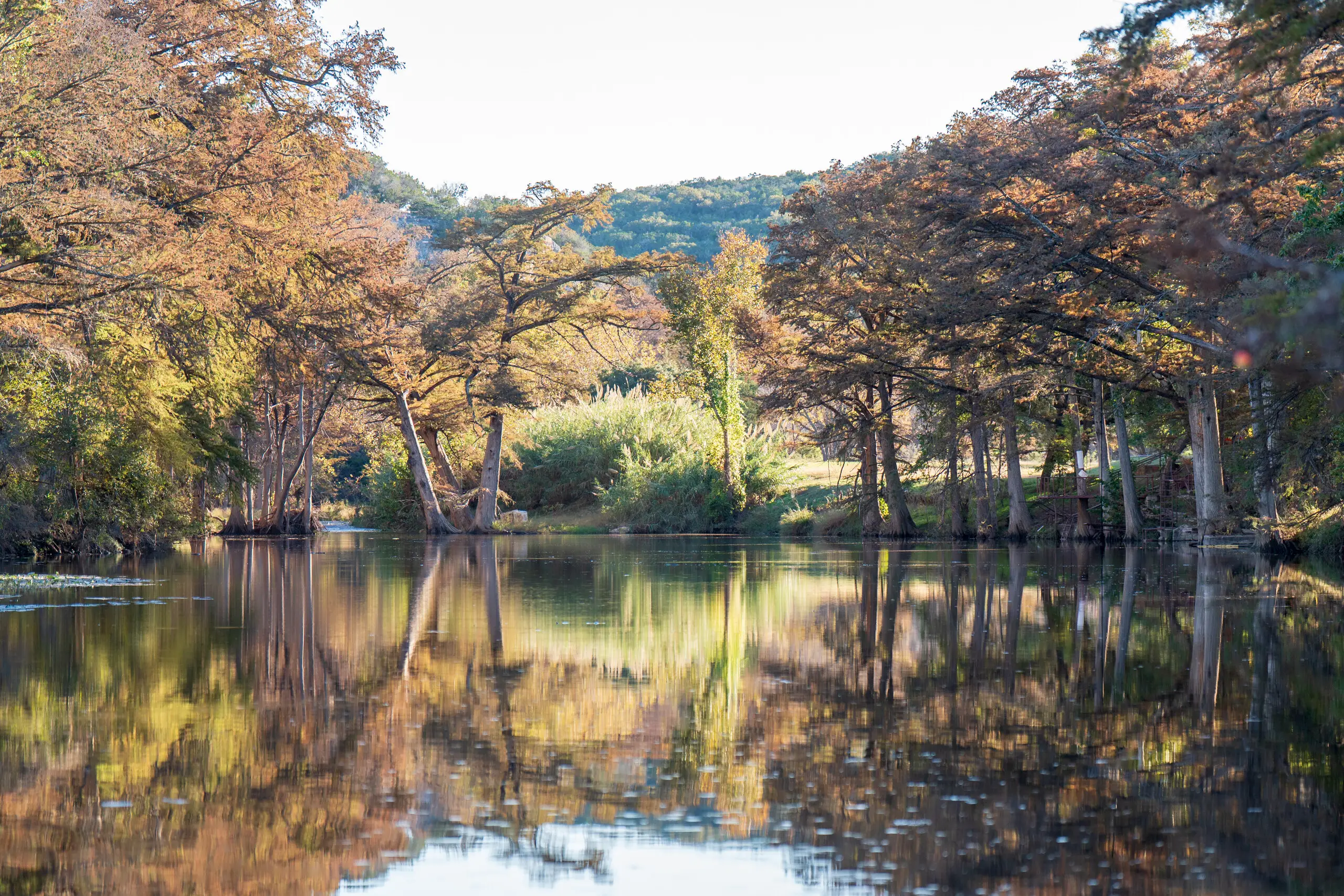
Along the Guadalupe River in Kerr County, the mighty cypress trees that defined the area are bent, broken and missing.1
Last year, the Guadalupe River became a raging monster that killed more than 100 people.1
Machines scraped away more plants and earth as workers searched for bodies and hauled off debris.1
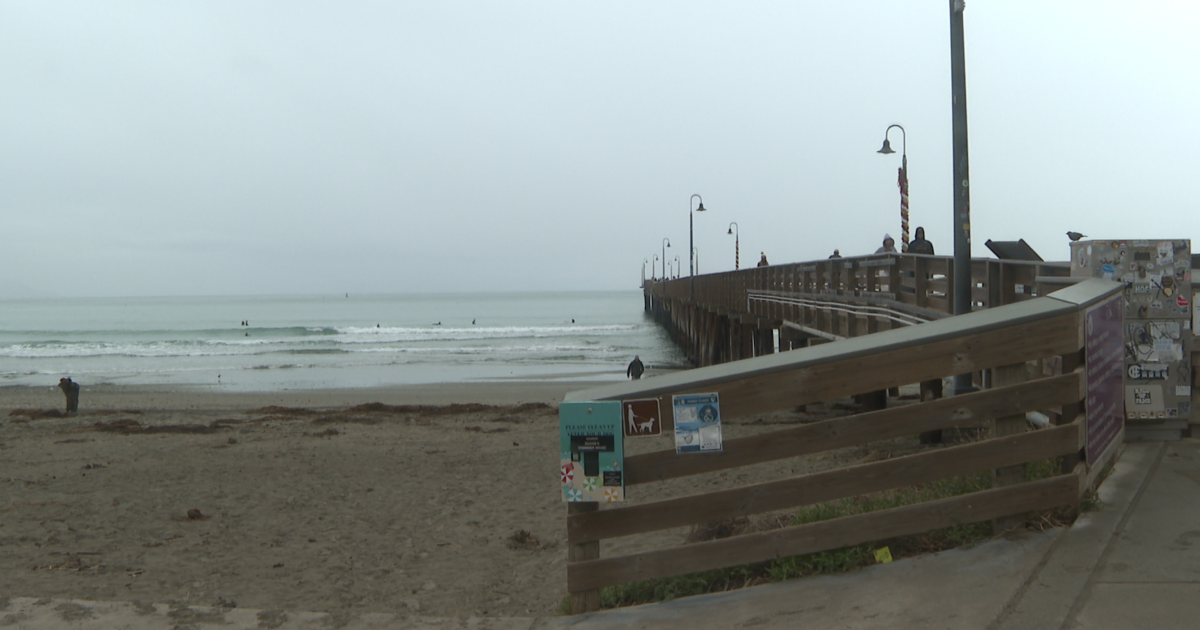
People who live in Kerr County or visit often describe the landscape left behind as a moonscape.1
To them, the gorgeous river that drew so many now looks barren, ravaged and unrecognizable.1
Baby cypress trees stand a foot or two tall
Amid the devastation, spindly baby cypress trees stand a foot or two tall.1
Plant experts under the leadership of the San Antonio Botanical Garden grew the cypress trees over the past year in nurseries across the state.1
The cypress trees were started with seeds collected in this region.1
The goal is to plant 50,000 trees over the next two years.1
The river could heal on its own, but those involved in the effort say they’re jump-starting the process of regrowth.1
The effort aims to beat out invasive plant species that try to take over after disasters.1
The effort aims to rehabilitate an ecological landscape they say was already out of whack before the floods.1
A foundation for us all
Erin Davis is program coordinator for Texas Resilient Landscapes at the Texas A&M Forest Service.1
The Texas A&M Forest Service has supported the project.1
The garden has collected more than 850,000 seeds, which volunteers sorted by hand.1
Only a third of the cypress seeds actually germinated.1
Raised with periodic water, wind and nutrient stress in hopes of making them heartier, the plants still might not survive hungry deer or future droughts once they’re in the ground.1
Cypress trees take decades to reach their full height, so adults planting them today might not get to sit in the shade of those that do make it.1
“But I think we do have an important role to play where we can direct how that restoration goes,” Davis said.
Ryan McGillicuddy is watershed and conservation team leader for the Texas Parks and Wildlife Department.1
The Texas Parks and Wildlife Department is another river supporter.1
“Just like there are these steps that nature has to go through to heal, we’re going through it in tandem, and so we can look to nature as a source of healing for ourselves,” McGillicuddy said.
Trees drew early settlers to the area
The trees were part of the soul of the place, says artist Carol Arnold, who captured the pre-flood landscapes in her pastels.1
She studied the greens and blues of the water beneath the trees, and the way the roots wove among the rocks.1
The trees drew early settlers to the area in the mid-1800s, who cut them down to make shingles.1
By the 1920s, kids spent idyllic summer weeks at camps by the river.1
Some trees lost in the flood were hundreds of years old, with giant trunks too big to even wrap one’s arms around.1
The effort isn’t just a landscaping project, leaders at the botanical garden say.1
It’s about building a resilient ecosystem.1
Organizations replanting the river are educating people about the roles of native plants in providing habitat and stabilizing the banks.1