Key facts
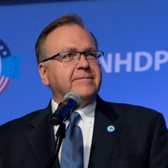
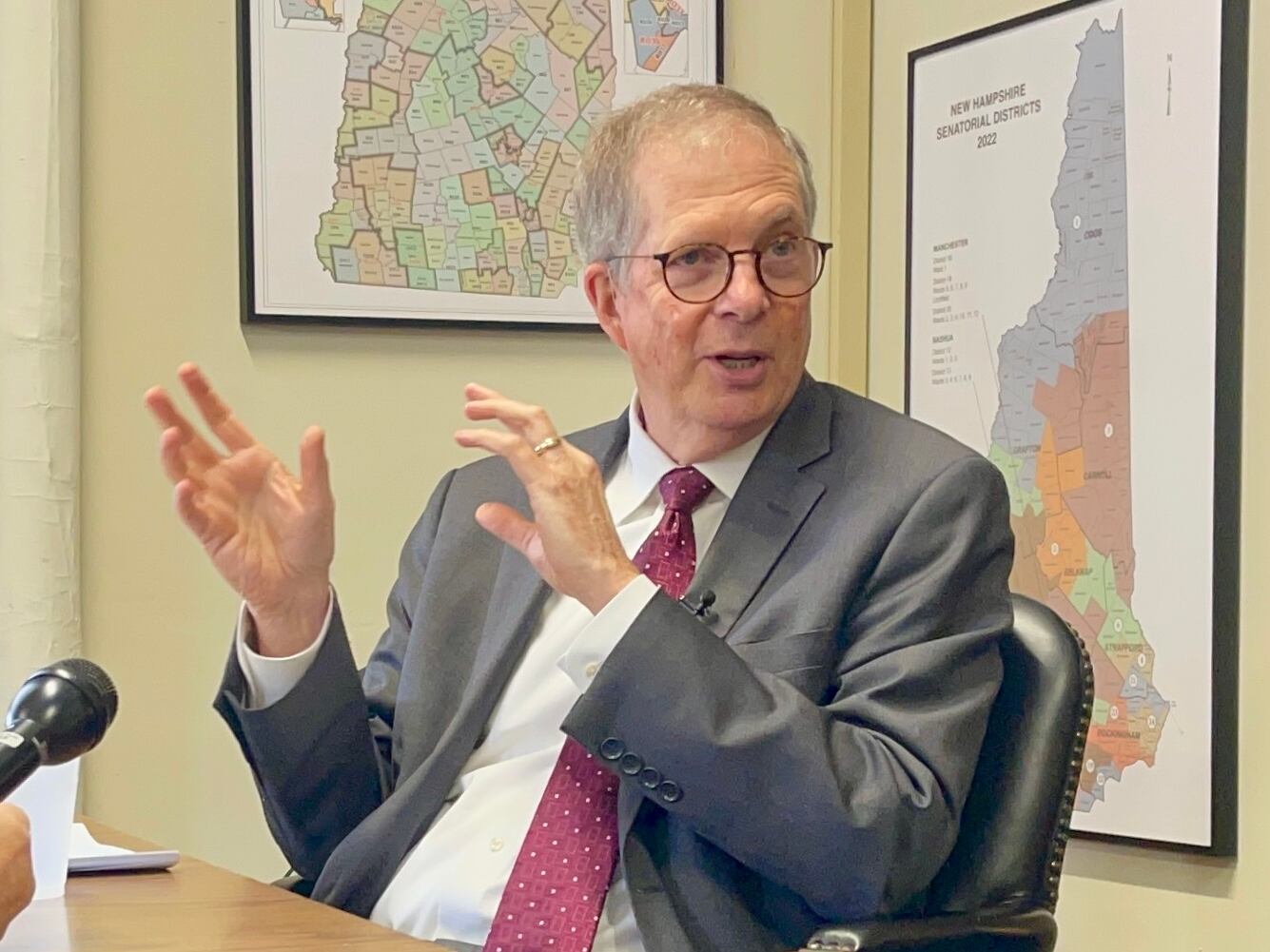
David Scanlan, the New Hampshire secretary of state and a Republican, said he would again schedule New Hampshire’s presidential primary first.2
The Democratic National Committee in August approved a new calendar, placing the South Carolina primary first, on Jan. 22, 2028, with Nevada next, on Feb. 1, and then New Hampshire, on Feb. 8.2 1
New Mexico, Michigan and Virginia were expected to follow.2
Scanlan’s case for a third term
Scanlan’s statement came as he made his case for a third term, which would need the approval of the state legislature, both chambers of which Democrats won in the midterms.2 1
Ray Buckley, the chairman of the New Hampshire Democratic Party, which has complained about the national party’s schedule change before, declined to comment.2 1
The 2028 schedule reflects a shift from when Iowa and New Hampshire, two states with largely white populations, traditionally began the nominating process.2
What happens if New Hampshire holds its primary first
The DNC is still expected to hold a separate, party-sanctioned primary in New Hampshire in accordance with its calendar, which would not necessarily require Scanlon’s cooperation, Democratic Party officials said as they discussed the schedule change this summer.2
To allocate delegates, the state would need to run an election on the date set by the party, according to the DNC’s rules.2
If New Hampshire holds a contest out of order again, the results would not count toward the party’s nomination process and candidates would be barred from campaigning for it.2
A similar standoff happened in New Hampshire in 2024, when the state jumped the line, risking its delegates after the party moved its primary second, behind South Carolina.2
After holding a separate party-run contest three months later, national Democrats eventually rescinded their penalties, seating the state’s delegates at the convention.2
Confusion around New Hampshire’s primary in 2024 prompted Democrats in the state to criticize the party’s rule change and warn that it would disenfranchise voters.2
Iowa could also face complications because of state laws that require it to caucus at least eight days before any other presidential nominating contest.2
In 2024, the state held its own caucuses in January but delayed releasing the results until March in order to comply with the national party’s calendar.2
Rob Sand, Iowa’s governor-elect and a Democrat, has said that he would adhere to the state’s rules.2
New Hampshire Gov. Kelly Ayotte, a Republican, has said that she would uphold the state law that puts her state’s primary first.2