Key facts
The Democratic Party’s incoming senators haven’t been sworn into office yet, but the decision over who will lead their new majority is already testing the promise of change they made as candidates.1
The 13 new Democrats are part of the largest incoming Senate class in decades, with several winning in Republican strongholds by promising to shake up Washington and be independent voices.1
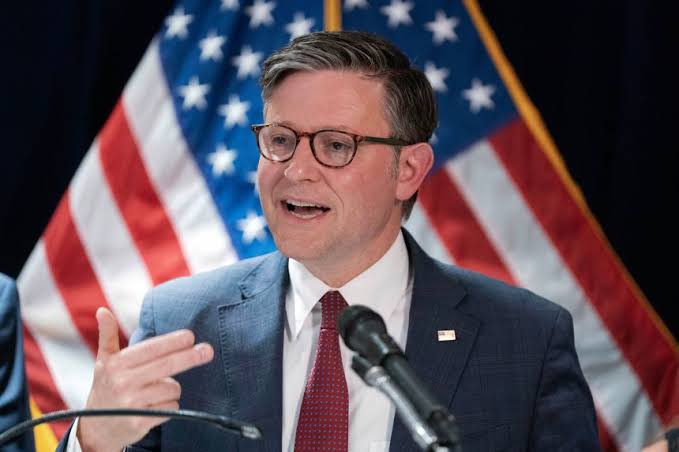
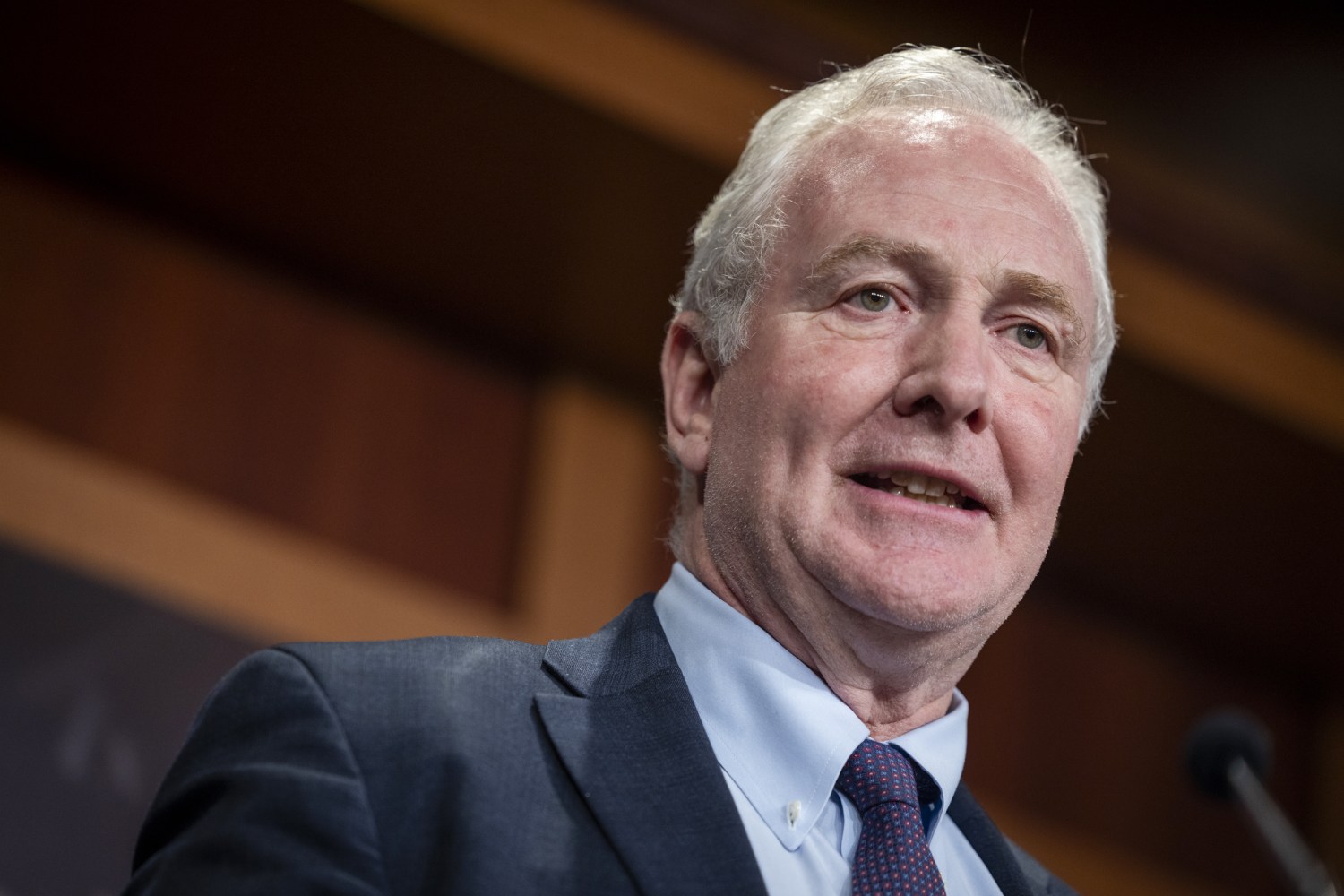
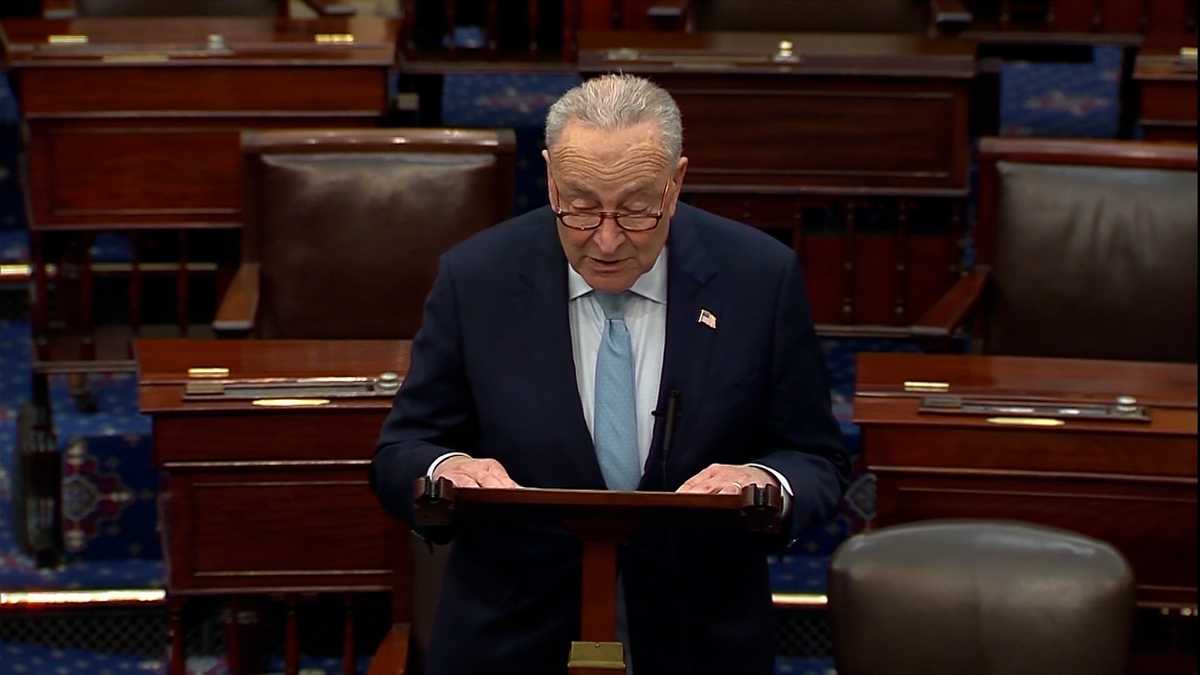
Now they are caught up in a classic insider fight, forced to decide whether to stick with longtime Senate leader Chuck Schumer of New York or back challenger Chris Van Hollen of Maryland.1
Progressives Back Van Hollen
Newly elected progressives, including Abdul El-Sayed of Michigan and Peggy Flanagan of Minnesota, have backed Van Hollen, who is taking on Schumer with promises of a more aggressive legislative approach.1
Sen.-elect Sherrod Brown of Ohio is returning to Washington after losing his seat in 2024.1
Senators From Republican States Weigh In
The incoming senators from traditionally Republican states such as Texas, Mississippi, Iowa and South Carolina, whose victories helped deliver Democrats the majority, have so far largely avoided taking sides.1
Annie Andrews of South Carolina has said she is talking with both candidates.1
Annie Andrews, a 46-year-old pediatrician, became the first Democrat in nearly three decades to win a Senate race in South Carolina.1
Annie Andrews called for “generational change” and said she would not support Schumer.1
Annie Andrews has rejected policies that Van Hollen supports, such as “Medicare for All.”1
On a press call Tuesday, Annie Andrews said she has made “no decision” on the majority leader’s race.1
Scott Colom of Mississippi says he wants to get to know them better before deciding and describes himself as being in “listening mode.”1
Kansas Sen.-elect Adam Hamilton said Thursday he would not back Schumer, but declined to endorse anyone.1
Hawaii Sen. Mazie Hirono said.1
Texas Sen.-elect James Talarico called for “new blood” in the Democratic Party, arguing that fresh perspectives were needed to change a political system that had failed.1
Talarico has stopped short of rejecting Schumer, saying in a CBS interview two days after the Nov. 3 election that he would meet with the leadership candidates and ask “tough questions.”1
Iowa Sen.-elect Josh Turek has taken a similar approach, saying his decision will depend on which candidate best reflects the priorities he campaigned on.1
During a news conference Monday, Turek said he had met with Schumer and Van Hollen and was waiting for “further updates” on questions he had.1
Alaska Sen.-elect Mary Peltola, whose race was officially called this week, told The Associated Press soon after that she had not yet thought about the leadership race.1
The Dec. 1 vote will be held by secret ballot.1
The reluctance of many incoming senators to commit has put an unusual spotlight on first-term lawmakers who could help shape the party’s direction in the new Congress.1