North Dakota to get $206 million in second year of RHTP

Key facts
The University of North Dakota Center for Rural Health is supporting and starting programs through federal funding targeted to rural health care.1
A second year of funding announced a few weeks ago will bring even more support.1
What the money is for
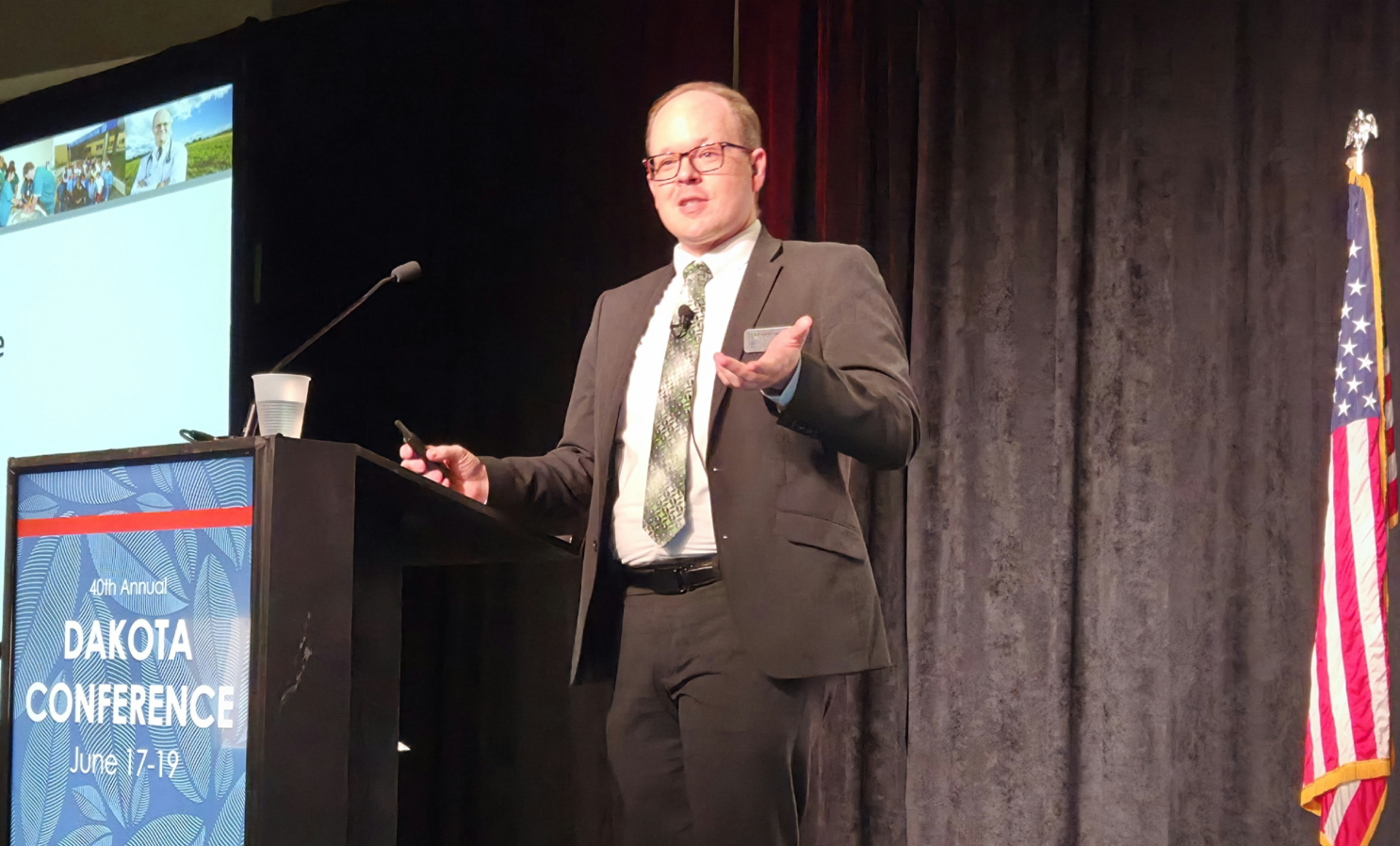
Center for Rural Health Director Jacob Warren said there is still much going on with the funding from Year 1, and programs for Year 2 funds haven’t been finalized yet.1
North Dakota received $206 million for the second year of the Rural Health Transformation Program, following last year’s $200 million.1
The RHTP, authorized by the One Big Beautiful Bill Act and led by the Centers for Medicare & Medicaid Services, is a $50 billion initiative to support health care in rural communities in every state.1
About $10 billion in funding will be available each year over the five-year period of the program — half of the funds will be distributed equally among the states, while the other half will be allocated by CMS based on different factors, such as rural population, individual state metrics around rurality, the proportion of rural health facilities in each state, the situation of certain hospitals and state policies, initiatives or activities around impacting rural health.1
Because the states don’t know exactly how much they will be awarded, they have to submit revised budgets once they know the exact funding they will receive.1
Rural health residents and students
Funds North Dakota has received so far from the RHTP have gone toward programs like one expanding opportunities for medical residents to complete their residencies in rural areas.1
Funds have also gone to efforts to expand pathway programs — programs that help students in middle and high school access health professions as a possible career through showing them what path they can take to enter that profession through camps and hands-on training experiences.1
New opportunities are to connect students from rural communities with additional training and shadowing programs.1
Warren said college admissions and medical school admissions are looking more into if students have shadowing experiences.1
“How do we give students those opportunities who don’t necessarily have them locally?” Warren said. “That’s what RHTP really allows for, is ‘Here’s the funding to do those amazing things that we’ve known for years could be done here in the state.’.”
Experience placements and certification
Funds are also going toward community health worker training with a program that can be completed online.1
To become certified in the state, depending on the pathway, someone may have to complete a 200-hour internship experience.1
The center will help people, whether they go through the center’s program or someone else’s, find experience placements.1
Why North Dakota was chosen
The state has involved the center in the RHTP from the beginning when it was applying for funds, for two reasons , the center has existed for 46 years and has the experience and teams involved in rural health, and has served as the North Dakota State Office of Rural Health.1
The center has done some of the programmatic work and is moving into a role as an anchor partner for the next phases of the program.1
There has never been this type of investment in rural health before the RHTP.1
The funds are focused on sustainable impact, and the funds are not for creating something that will disappear when the funds go away.1
“We’re in the home stretch, final stretch,” Warren said. “Not everyone has that opportunity, so that’s one of the things we’re looking at.”
Sources
Every number in the story points here. Each links to the original reporting.
CenterWilliston Herald
See a sentence its source doesn’t back up?
Tell us the source number and what’s wrong. We check every report. If we change the story, the fix goes on the corrections page with the old wording.