Nuclear energy referendum passes with 7 million 'yes' votes

Key facts
- For the proposal to pass, “yes” votes had to outnumber “no” votes and reach at least 5,000,959.1
- Taiwanese yesterday voted in favor of reinstating nuclear power development.1
- Initiated by the Chinese Nationalist Party (KMT) caucus, the referendum asked voters whether they support the government using nuclear power.1
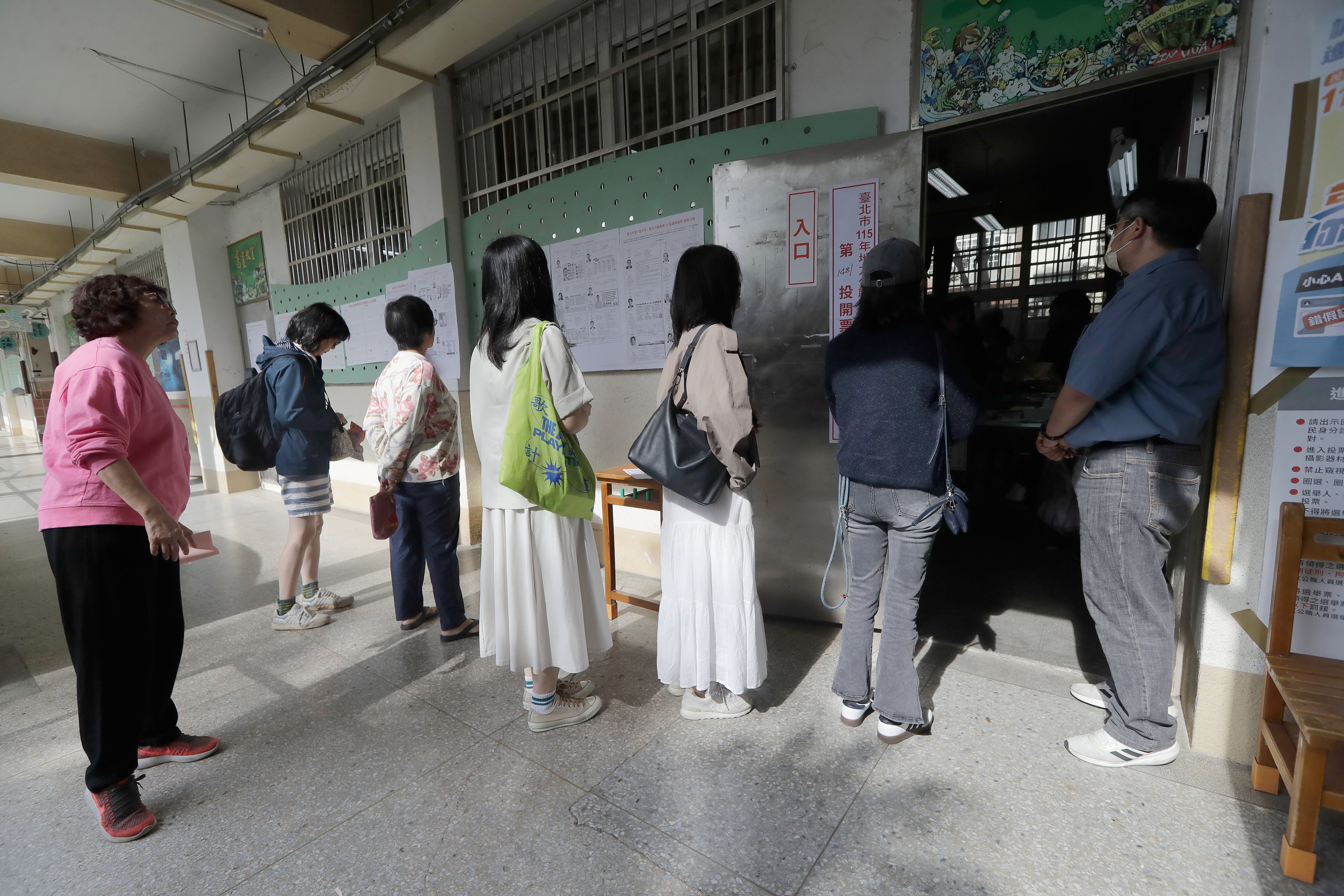
Taiwanese voters passed a referendum to reinstate nuclear power development, effectively overturning the nation’s “nuclear-free homeland” energy policy, in a referendum that drew a record-high turnout of 62.79 percent.1
The proposal passed with 61.99 percent of valid votes in favor and 38 percent against, according to Central Election Commission results.1
What the referendum asked voters
Initiated by the Chinese Nationalist Party (KMT) caucus, the referendum asked voters whether they support the government using nuclear power to boost the economy and thereby abolishing the “nuclear-free homeland” energy policy.1
A record-high turnout
A total of 20,003,835 people were eligible to vote, according to the CEC..1 For the proposal to pass, “yes” votes had to outnumber “no” votes and reach at least 5,000,959, equivalent to one-quarter of the eligible electorate.1
CEC results showed that 7,434,677 people voted in favor of the proposal, while 4,557,768 voted against it..1 Valid “yes” votes accounted for 37.17 percent of eligible voters, surpassing the one-quarter threshold.1
A fourth nuclear referendum in eight years
This year’s referendum marked the fourth nuclear referendum over the past eight years, with the first held in 2018..1 It also marked the resumption of holding referendums alongside elections, a practice that was suspended by the then-Democratic Progressive Party (DPP)-controlled legislature in 2019 and reinstated by the opposition-dominated legislature last year.1
What supporters and opponents said
Supporters said nuclear power is a low-carbon energy that can boost Taiwan’s economy by providing stable electricity for the artificial intelligence and semiconductor sectors..1 It also helps bolster the nation’s energy autonomy and stabilize power prices with less power generation costs than fossil fuels.1
Opponents expressed worries that nuclear plants built around geological faults have insufficient earthquake resistance and that issues regarding nuclear waste disposal remain unsolved.1
The National Nuclear Abolition Action Platform expressed disappointment over the results, saying the referendum’s proposal of “using nuclear power to revitalize the economy” was a subjective statement that failed to prove the relation between nuclear power and economic benefits.1
What the passage means
The passage of the referendum does not mean the government has a blank check to develop nuclear power without considering the risks and costs..1 It also does not mean nuclear safety and nuclear waste disposal have been resolved.1
Executive Yuan spokesperson Michelle Lee (李慧芝) said the Cabinet respected the referendum results and would continue to pursue the second energy transition by accelerating the development of renewable energy..1 The DPP government’s position on nuclear power remained unchanged, she said, adding that it would uphold the principles of ensuring nuclear safety, resolving the nuclear waste issue and building a social consensus.1
This year’s referendum addressed public attitudes toward the nation’s overall energy policy, while the previous three nuclear-related referendums focused on specific legislation or the operation of nuclear power plants.1
The first nuclear referendum, held in 2018, proposed repealing a provision stipulating that all nuclear power facilities should be decommissioned by 2025..1 The proposal passed, with 59.49 percent of valid votes in favor.1
The 2025 referendum failed to pass because it did not meet the one-quarter threshold, despite “yes” votes accounting for 74.17 percent of valid votes.1
This year’s referendum recorded a turnout of 62.79 percent, comparable to that of the 2018 nuclear referendum, which was also held alongside local elections and drew a turnout of 54.83 percent.1
Sources
Every number in the story points here. Each links to the original reporting.
LocalTaipei Times
See a sentence its source doesn’t back up?
Tell us the source number and what’s wrong. We check every report. If we change the story, the fix goes on the corrections page with the old wording.