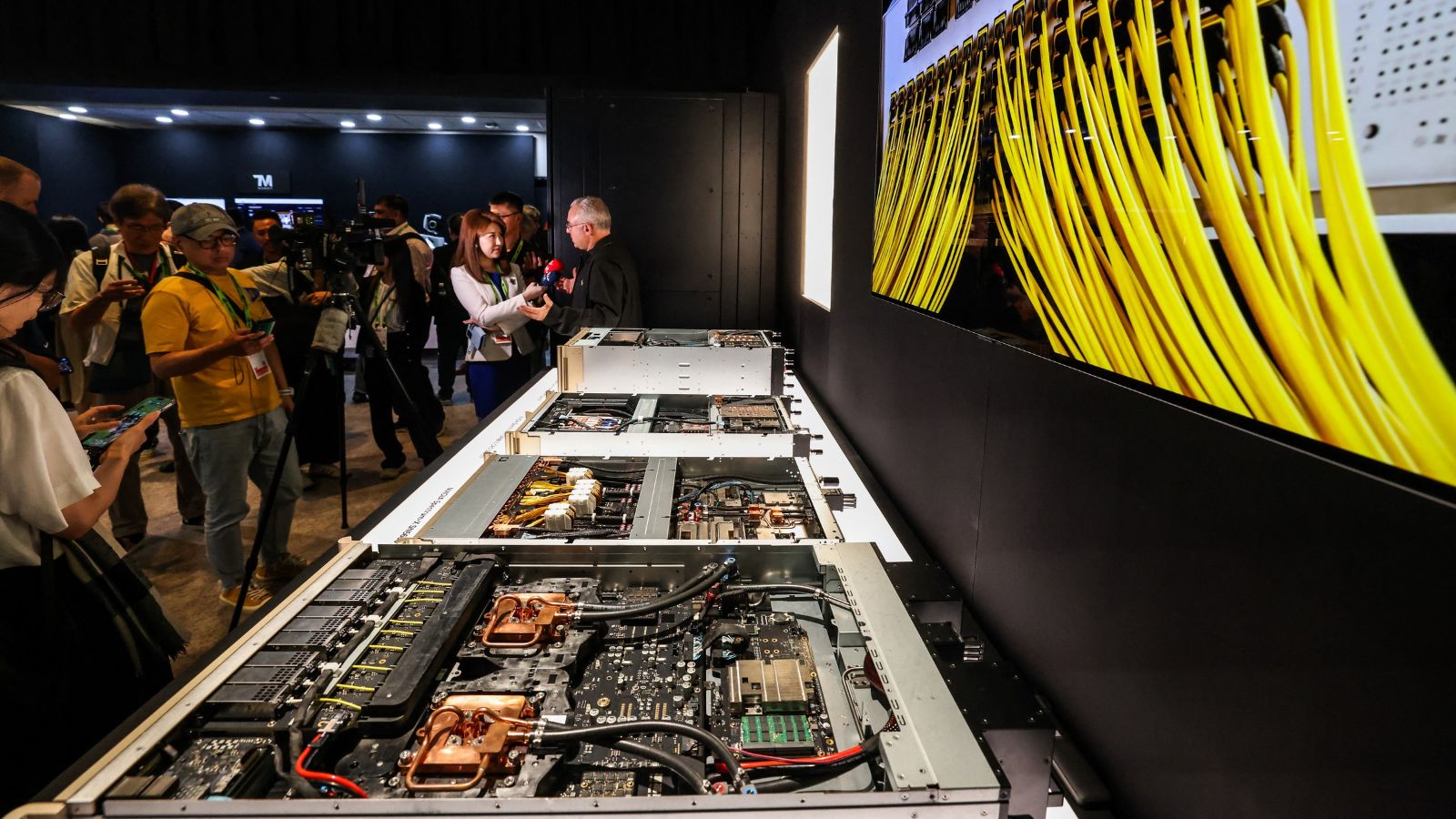
Nvidia Tells Dell, Super Micro to Stop AI Chip Shipments to Malaysia, Singapore


Key facts
- Nvidia told Dell, Super Micro and other server-building partners to stop shipping systems built with its AI chips to Malaysia.1
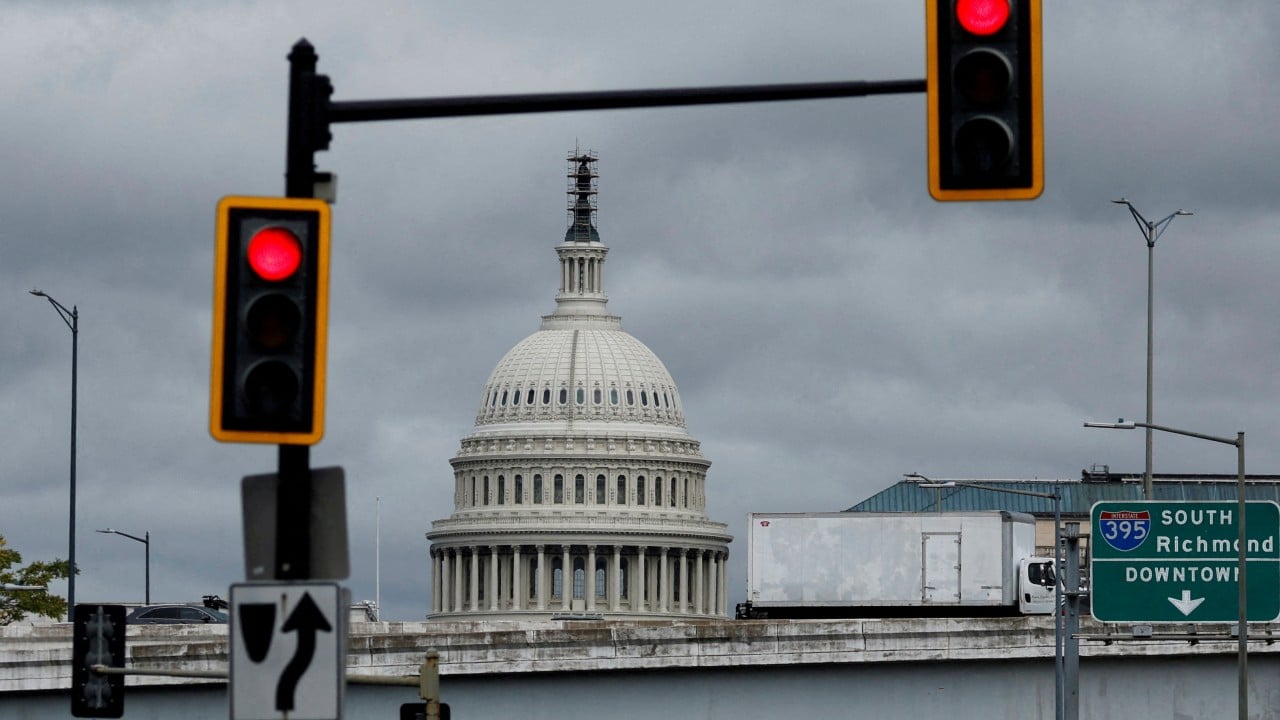
- The rule is an interim final rule from the Commerce Department’s Bureau of Industry and Security (BIS), released November 16 and effective November 19.1 It requires a US license, reviewed case by case, to export, reexport or transfer advanced semiconductors to or within Indonesia, Malaysia, Singapore, Thailand and Brazil, countries BIS describes as presenting a “higher-than-normal risk of diversion.”1
- The provision requires a license when an exporter has “knowledge” that items will go to a data center that gives.1
Nvidia told Dell, Super Micro and other server-building partners to stop shipping systems built with its AI chips to Malaysia, Singapore, Thailand and Indonesia, the Financial Times reported on Thursday, one week after a US export rule took effect requiring licenses for advanced chips bound for those countries.1
The Wall Street Journal separately reported the instruction and said the pause is for an unspecified period..1 Dell and Super Micro have told customers Nvidia is blocking them.1
What the Rule Requires
The rule is an interim final rule from the Commerce Department’s Bureau of Industry and Security (BIS), released November 16 and effective November 19..1 It requires a US license, reviewed case by case, to export, reexport or transfer advanced semiconductors to or within Indonesia, Malaysia, Singapore, Thailand and Brazil, countries BIS describes as presenting a “higher-than-normal risk of diversion.”1
Brazil is covered by the license rule but is not named in the reports of the halt, which list only Malaysia, Singapore, Thailand and Indonesia.1
The rule’s design offers one possible explanation for why the pause lands at the order desk: its data center control turns on what an exporter knows about where a server ends up, so enforcement shifts from Commerce’s license office to the companies that build, sell and ship the hardware.1
Remote Access Provision
A second provision targets remote access..1 It requires a license when an exporter has “knowledge” that items will go to a data center that gives companies headquartered in China, Macau or another arms-embargoed destination access to 12 million aggregate total processing performance (TPP), the rule’s yardstick for compute.1
Capacity counts across linked data centers, including digital links, are considered.1 A TechCrunch author estimated roughly 750 H100 or H200 chips would reach the threshold, an outside approximation the rule does not state.1
License Window and Exemptions
The rule exempts consignees and end users headquartered in the United States, or whose ultimate parent is, if the exporter files monthly BIS reports.1
For a server maker, each shipment to those countries therefore carries a license requirement or, for qualifying buyers, a recurring filing.1
Neither the FT nor the WSJ attributes the pause to that mechanism.1
Loan Freeze and Public Comments
Bloomberg reported that bankers froze work on a $480 million loan to Aolani Cloud, a Singapore-based provider, to buy Nvidia chips for a Malaysian data center that ByteDance planned to use remotely..1 Bankers at five lenders discussed pulling out or not joining the loan.1
According to the FT, as summarized by The Decoder, providers must also show no restricted companies are among their end users..1 One cloud executive told the FT there is little guidance on how to apply while the clock runs.1
Law-firm summaries of the rule describe case-by-case review and, in the summaries reviewed, set out no application procedures for data centers..1 The public comment period closes January 19, 2027, according to Greenberg Traurig.1
Financial Results
Nvidia reported revenue of $96.2 billion for the quarter ended July 26, 2026, according to its 10-Q filing with the U.S. Securities and Exchange Commission.2
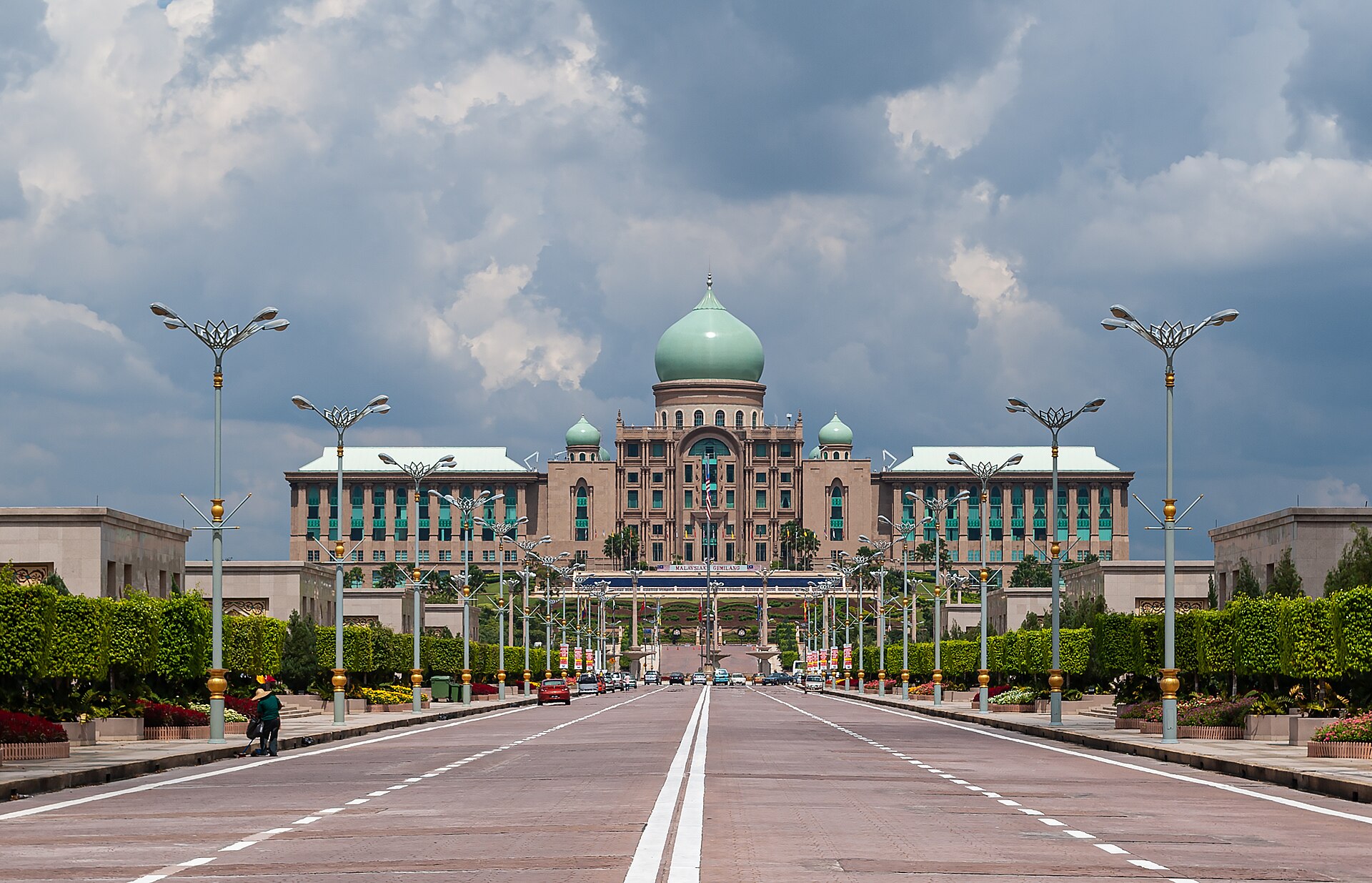
NationGate Holdings Bhd will not be directly affected by Nvidia’s reported server shipment restrictions..3 NationGate stopped accepting new graphics processing unit (GPU) server orders in the second half of 2025.3 CIMB Securities Sdn Bhd said the company’s decision was in line with existing US artificial intelligence (AI) chip export restrictions.3
Sources
Every number in the story points here. Each links to the original reporting.
CenterNew Straits Times
LocalTech Times, sec.gov
See a sentence its source doesn’t back up?
Tell us the source number and what’s wrong. We check every report. If we change the story, the fix goes on the corrections page with the old wording.