Oregon’s Universal Health Plan Report Released to Legislature

Key facts
- The Oregon Universal Health Plan Governance Board released its report to the state legislature on Nov. 23.1 The report outlines a plan to create a public corporation that would rely on corporate and personal taxes to fund a statewide healthcare system.1 The plan would provide care to nearly everyone in the state, with no premiums, copays or other deductibles.1
- In 2014, then-Vermont Gov. Peter Shumlin, a Democrat, pulled the plug on the state’s single-payer push.2 Difficulties in implementing the state’s healthcare exchange under the Affordable Care Act had sapped the political capital he needed to push through the plan’s tax increases.2 Single-payer ballot measures in California, Massachusetts and Oregon also struggled to garner even a quarter of the voting public’s support.2
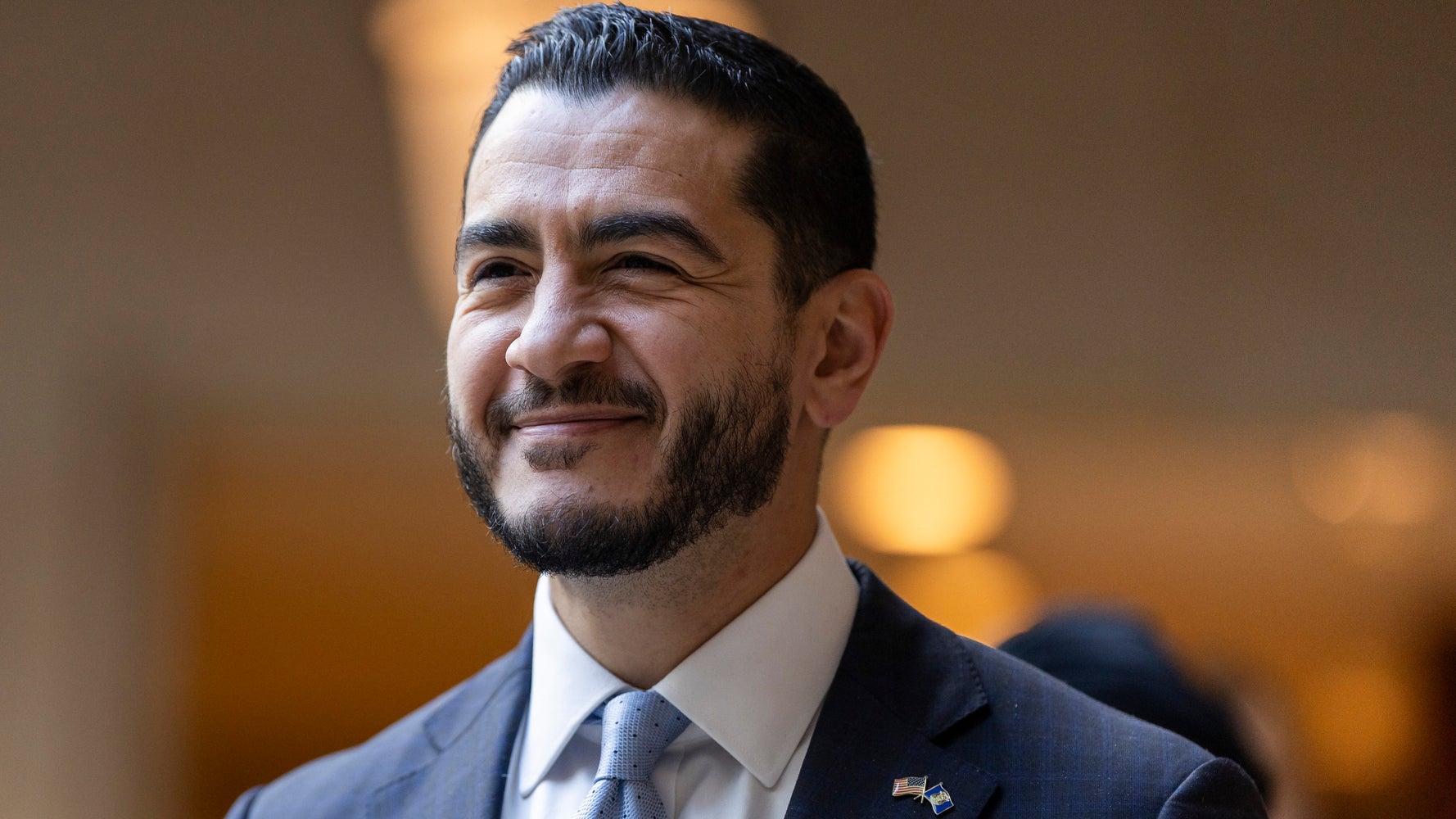
- The Democratic wave in this year’s midterm elections ushered in a number of Medicare-for-All proponents, most Sen.-elect Abdul El-Sayed of Michigan.2 Sen. Bernie Sanders, a Vermont independent who caucuses with Democrats and is the best-known advocate for Medicare for All, is expected to become chairman of the Senate Health, Education, Labor and Pensions Committee.2 Unless backers can figure out the messaging to alleviate fears of massive new taxes and government spending, current efforts to implement a single-payer, universal healthcare plan could be doomed to the same fate as previous efforts in places such as California, Massachusetts and Vermont.2 That is likely to push a debate over single-payer healthcare — and its costs or savings — to the forefront in the next two years, leading into the 2028 presidential election.2
The Oregon Universal Health Plan Governance Board released its report to the state legislature on Nov. 23..1 The report outlines a plan to create a public corporation that would rely on corporate and personal taxes to fund a statewide healthcare system..1 The plan would provide care to nearly everyone in the state, with no premiums, copays or other deductibles.1
The legislature could vote on the plan as early as next year or refer the proposal to voters as a ballot measure in 2028..1 Critics are focused on the total cost of the proposal..1 Oregon Senate Republican Leader Bruce Starr said the plan would increase the entire state budget by 43%..1 Starr said the plan would increase the entire state budget by 43%, with “unfathomable” new taxes coming out of the pockets of Oregonians.1
Board Members Push Back on Cost Estimates
At their Oct. 15 meeting, members of the Universal Health Plan Governance Board bristled at characterizations of their plan as a massive cost increase to state taxpayers..1 The board’s analyses show that up to 3 out of every 5 people would pay less under a single-payer system..1 An analysis commissioned for the state from the Milliman consulting firm found that without changes, total spending on healthcare per year in Oregon would reach at least $76.3 billion by 2032..1 The board estimated that a universal health plan would cost about $69.7 billion that year, not including one-time start-up or transition costs.1
Mike Leahy, a former health plan executive who serves on the Oregon board, said during an October meeting that he just doesn’t want people to make all kinds of assertions about their work and saying, “It’s unaffordable, we can’t do it, end of story.”.1
“I’d like us to give this plan a chance of happening,” Leahy said.
A Model for State and National Plans
The board maintains that the plan would save money compared with the status quo by reducing administrative costs, negotiating drug prices and combating fraud, waste and abuse while allowing the state to cover all Oregonians with a rich set of benefits..1 Oregon’s design, like Vermont’s, is modeled after the national health system of Taiwan, which is frequently pointed to as a high-performing system, with public satisfaction rates topping 90%..1 Taiwan’s program, implemented 30 years ago, relies on nearly equal shares of contributions from households, companies and the government to pay for services.1
The panel’s estimates place the cost of the plan at $69.7 billion a year starting in 2032.2 The same arguments are being made on the national level about “Medicare for All,” which gained renewed life after Democrats' victorious blue wave in the midterms..2 One recent White House cost estimate pegged the annual price tag at $4.7 trillion..2 The White House Council of Economic Advisers estimated in October that a plan to extend Medicare benefits to all Americans would cost the federal government $47 trillion over 10 years.2 A recent Wall Street Journal op-ed from Joel Zinberg of the conservative-leaning Paragon Health Institute decried that figure as a massive increase in federal spending.2
A History of Failed Single-Payer Pushes
In 2014, then-Vermont Gov. Peter Shumlin, a Democrat, pulled the plug on the state’s single-payer push..2 Difficulties in implementing the state’s healthcare exchange under the Affordable Care Act had sapped the political capital he needed to push through the plan’s tax increases..2 Single-payer ballot measures in California, Massachusetts and Oregon also struggled to garner even a quarter of the voting public’s support.2
The Democratic wave in this year’s midterm elections ushered in a number of Medicare-for-All proponents, most Sen.-elect Abdul El-Sayed of Michigan..2 Sen. Bernie Sanders, a Vermont independent who caucuses with Democrats and is the best-known advocate for Medicare for All, is expected to become chairman of the Senate Health, Education, Labor and Pensions Committee..2 Unless backers can figure out the messaging to alleviate fears of massive new taxes and government spending, current efforts to implement a single-payer, universal healthcare plan could be doomed to the same fate as previous efforts in places such as California, Massachusetts and Vermont..2 That is likely to push a debate over single-payer healthcare — and its costs or savings, to the forefront in the next two years, leading into the 2028 presidential election.2
Sources
Every number in the story points here. Each links to the original reporting.
LocalBuffalo News, Las Vegas Sun
See a sentence its source doesn’t back up?
Tell us the source number and what’s wrong. We check every report. If we change the story, the fix goes on the corrections page with the old wording.