Key facts
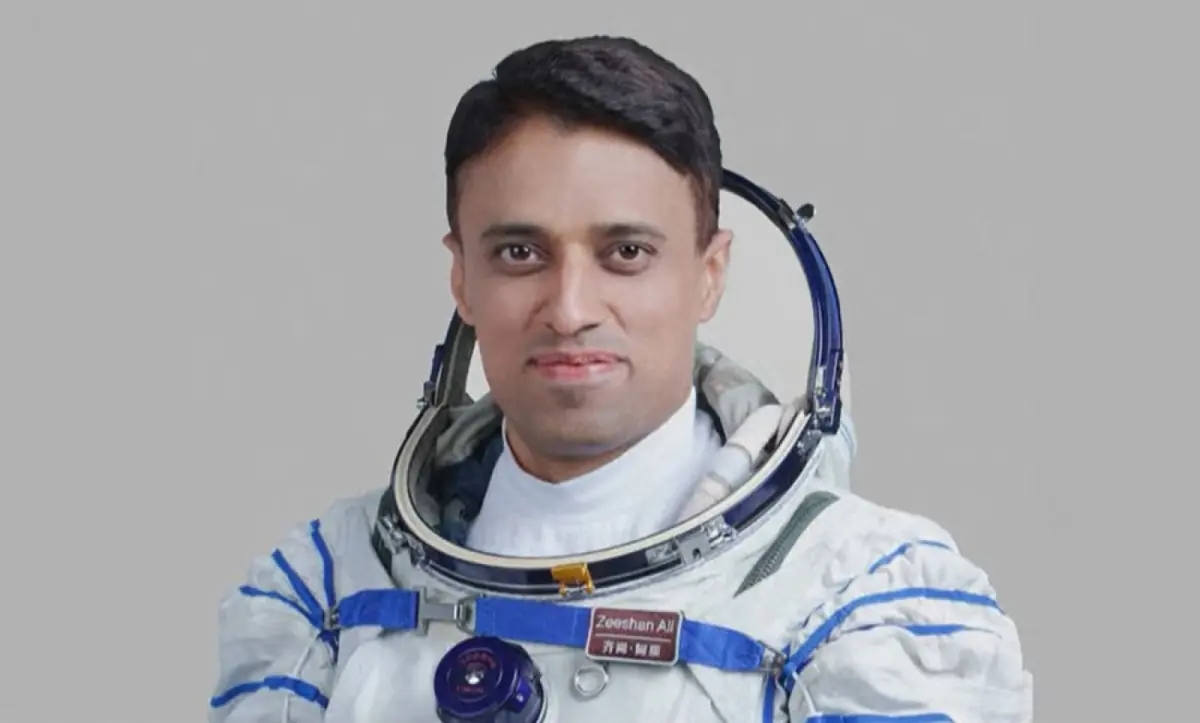
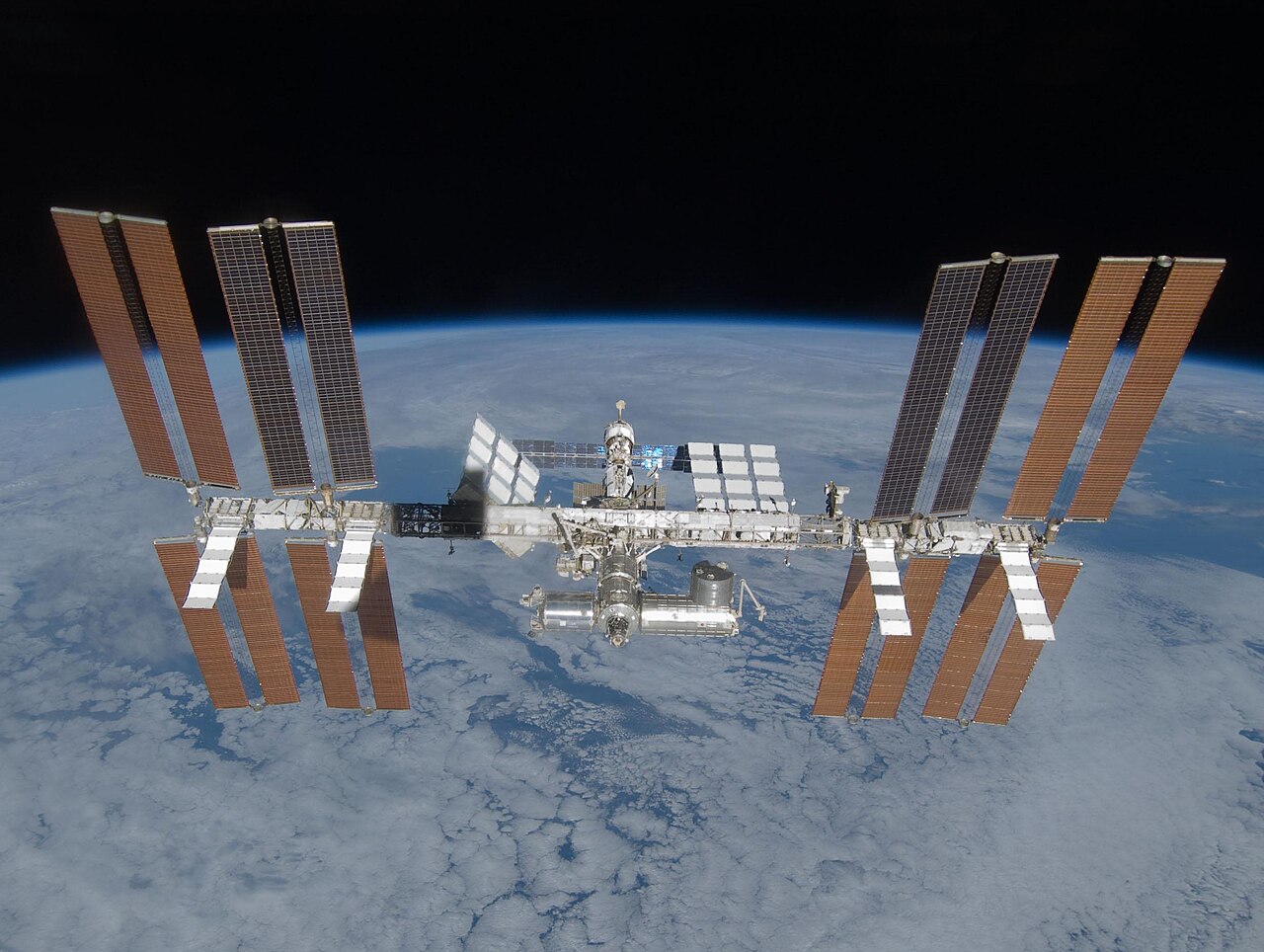
Islamabad, Pakistan – Pakistan is poised to send an astronaut into space for the first time on Wednesday, when an air force pilot joins China’s Shenzhou-24 mission to the country’s Tiangong space station.1 2
Muhammad Zeeshan Ali, 40, will fly as a payload specialist alongside commander Tang Hongbo and flight engineer Wu Yi.1
The spacecraft is scheduled to launch from the Jiuquan Satellite Launch Center in northwest China at 8:18am Beijing time (00:18 GMT), or 5:18am in Pakistan.1 2
A joint spaceflight for China and Pakistan
Speaking at a news conference in Jiuquan on Tuesday, China Manned Space Agency (CMSA) spokesperson Zhang Jingbo said the mission would mark the first joint flight by Chinese and foreign astronauts in the country’s crewed space programme.1
After reaching orbit, the spacecraft will carry out a rapid, autonomous rendezvous lasting about three and a half hours before docking with the forward port of the station’s Tianhe core module.1
Ali’s stay will be brief.1 He will return to Earth on board the Shenzhou-23 spacecraft after a short joint flight, while Zhu Yangzhu, a member of that crew, remains in orbit for a year, Zhang said.2 1
Two Pakistani pilots selected for training
Ali and Khurram Daud, a second Pakistani selected for astronaut training, are Pakistan Air Force pilots.1
CMSA named Ali and Daud reserve astronauts on April 22 earlier this year.1
Prime Minister Shehbaz Sharif met them in Islamabad the following day, and on April 24, China’s Space Day, they joined the Astronaut Center of China in Beijing for training.1
Daud asked Pakistanis to pray for him in a video released by the Ministry of Information and Broadcasting.1
Planning Minister Ahsan Iqbal paid tribute to both men on X on Tuesday.1
What the mission will carry
The mission will include four joint science projects in biotechnology and materials.1
Ali will conduct an experiment involving cyanobacteria, photosynthetic microorganisms.2
Pakistan’s Information Ministry said in April that the experiments would cover materials science, fluid physics, life sciences and biotechnology, with potential applications in climate resilience, food security and industrial innovation.1
China is preparing for its first crewed lunar landing by 2030.2
The U.S. is seen as China’s top space rival, with NASA aiming to land astronauts on the lunar surface in 2028.2