Key facts
- The Kremlin is embracing a U.S. offer to discuss postwar European security1
- In draft agreements submitted to the U.S. and NATO in December 2021, two months before the invasion.1
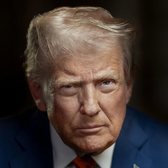
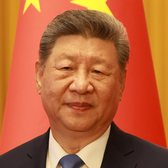
- Putin discussed the Ukrainian conflict with Trump and Chinese President Xi Jinping on the sidelines of the APEC summit in Shenzhen, China.1 That encounter had fueled fears in Ukraine that they could discuss a possible settlement without Kyiv’s participation.1
After nearly five years of fighting in Ukraine, the Kremlin is eagerly embracing a U.S. offer to discuss postwar European security, and Moscow is using that diplomatic opening to reaffirm the tough demands that President Vladimir Putin put forward before the start of his full-scale invasion.1
The proposal to discuss broader security arrangements for Europe was floated by U.S. President Donald Trump’s envoys, and that has worried Ukraine and its Western allies, who fear it will play into Moscow’s hands and weaken NATO.1
Putin’s 2021 Demands
Russia’s demands date back to 2021..1 In draft agreements submitted to the U.S. and NATO in December 2021, two months before the invasion, Russia demanded that Washington and its allies pledge to exclude NATO’s expansion to Ukraine, Georgia or any other nation that was once part of the Soviet Union.1
Moscow also demanded that the U.S. and its allies make a commitment to not deploy weapons or conduct any military activities in Ukraine and other ex-Soviet nations..1 The documents obliged the alliance not to station any troops in areas where they weren’t present in 1997 — before NATO moved to incorporate former Soviet bloc countries and ex-Soviet republics.1
In addition, they called for efforts to reduce the risk of incidents involving Russia and NATO warships and aircraft, primarily in the Baltic and the Black seas; a reduction in the scope of military drills; and greater transparency and other confidence-building measures.1
Putin’s Response
Putin described the West’s refusal to consider these proposals as the main reason behind his decision to send troops into Ukraine on Feb. 24, 2022, arguing that he had to act to fend off a major threat to Russia’s national security.1
Ukraine and its allies denounce the invasion as an unprovoked act of aggression..1 Putin bluntly rejected the European response to Moscow’s plans..1 He called it “political diarrhea” and “nonsense,” saying that “everybody understands that we don’t strive for a war with Europe.”1
Putin said Russia is open to discussing the continent’s security arrangements with the Europeans as the U.S. has suggested..1 Putin said Moscow invited a European delegation to visit and state its negotiating position before deciding on the date and format of Ukrainian talks..1 Russia is ready to search for compromise, he said, but will not budge on its key demands.1
Putin has sternly warned that Russia will not accept the deployment of any European troops into Ukraine after the hostilities end and see them as a legitimate target.1
APEC Summit Encounter
Putin discussed the Ukrainian conflict with Trump and Chinese President Xi Jinping on the sidelines of the APEC summit in Shenzhen, China..1 That encounter had fueled fears in Ukraine that they could discuss a possible settlement without Kyiv’s participation.1
Putin reaffirmed his criticism of the West for failing to take Moscow’s complaints about NATO’s expansion into account.1