Key facts
- Saudi Arabia and fellow members of the Organization of the Petroleum Exporting Countries have long opposed climate language targeting fossil fuels1
- The COP31 climate conference drifted into record overtime.1
- A negotiator from a small island state complained that a promised meeting with the talks' Turkish and Australian presidents had.1
As the COP31 climate conference drifted into what proved to be record overtime, a negotiator from a small island state complained that a promised meeting with the talks' Turkish and Australian presidents had been cancelled yet again.1
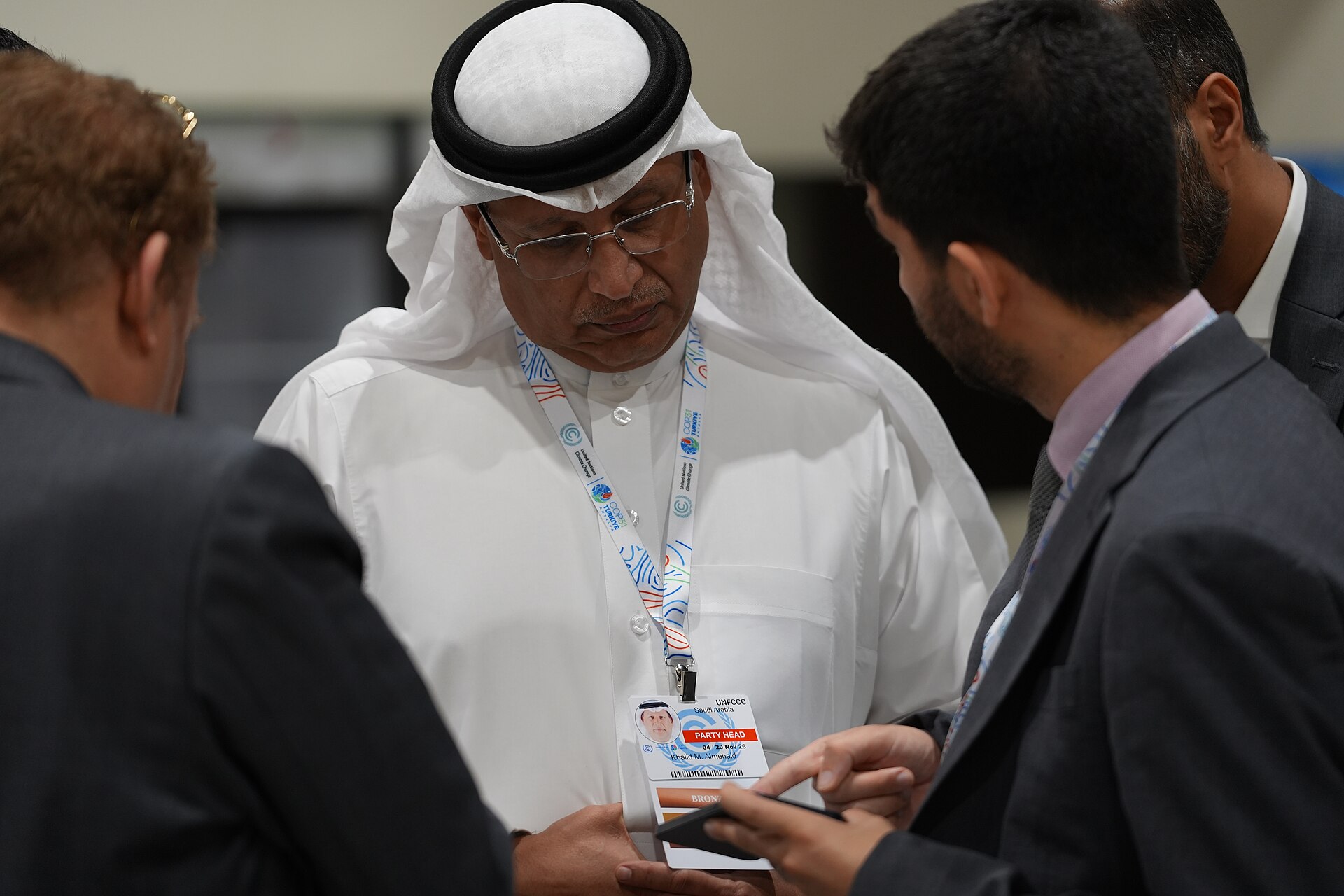
Saudi officials, meanwhile, had regular access, allowing them disproportionate influence at the Antalya conference, according to negotiators from Europe, small island states, Latin America, Asia and Africa.1
Riyadh was at the forefront of resisting language on reducing reliance on fossil fuels, the negotiators said, adding that was chiefly why a political agreement could not be reached for the first time since 2009.1
Saudi Arabia’s fossil fuel stance
Saudi Arabia and fellow members of the Organization of the Petroleum Exporting Countries have long opposed climate language targeting fossil fuels, saying they need to be part of the global energy mix for the foreseeable future.1
As countries spent the second week of the talks trying to forge consensus around the wide range of options, delegates and observers said Saudi Arabia kept a fixed position: the text must not mention fossil fuels, and it should include language boosting carbon capture technologies that can reduce their emissions.1
One delegate from an Asian country involved in the talks said Riyadh framed the positions as non-negotiable, even existential.1
EU and coalition push back
The European Union, several small island states, and other nations particularly vulnerable to climate change said they could not accept a text that failed to mention oil, gas, and coal.1
Ireland’s climate minister Darragh O’Brien told Reuters on behalf of the European Union when asked about Saudi Arabia’s role in the negotiations.1
“This COP, I believe, was hijacked by some oil states,” Darragh O'Brien said.1
The Turkish COP presidency said in a statement no group or country was given “preferential treatment.”1
Germany convened meetings with small island states and other members of the High Ambition Coalition, which groups vulnerable nations, African countries and developed countries, including Singapore and Canada.1
The coalition produced a letter backed by around 130 countries that said any deal at Antalya, Turkey, must include mention of transitioning away from fossil fuels.1
A revised text and an angry reaction
The Turkish presidency released a revised draft cover text that omitted any reference to fossil fuels.1
As Saturday slipped into Sunday, Saudi, Chinese and Russian officials frequently visited the presidency’s offices, even as representatives from other groups struggled to get meetings, delegates told Reuters.1
When the revised text finally emerged early on Sunday, many countries reacted angrily.1
The text largely ignored the coalition letter: it still had no mention of fossil fuels and kept strong language promoting carbon capture.1
Anthony Albanese has defended Chris Bowen from criticism following the failure of the UN Cop31 climate summit, blaming the result on “difficult geopolitical times” as the Coalition called for the minister to resign.2