Saudi Study: Nurses Lack Radiation Safety Training, Dosimeter Use

Key facts
- A multicentre cross-sectional study was conducted across five regions in Saudi Arabia.1
- Among 708 nursing professionals invited to participate across the five designated regions, 518 completed the survey.1
- The mean knowledge score reflected an average score of 39.1 percent with a standard deviation of 5.67.1
A multicentre cross-sectional study conducted across five regions in Saudi Arabia found hospital nurses working in ionizing radiation environments demonstrate poor baseline radiation knowledge and suboptimal safety practices.1
The study was published in BMC Nursing by lead researcher Faten M. Aldhafeeri.1
The investigation evaluated healthcare workers across diverse clinical settings to identify the behavioral, attitudinal, and institutional determinants that shape protective measures on the job.1
Survey response and knowledge scores
Among 708 nursing professionals invited to participate across the five designated regions, 518 completed the survey, representing an overall response rate of 73.2 percent.1
Participants achieved a mean knowledge score of only 7.81 out of 20 possible points.1 percent with a standard deviation of 5.67.1
Deficits were most pronounced on quantitative and regulatory questions.1
Only 17.2 percent of respondents correctly identified the annual occupational dose limit established by the International Commission on Radiological Protection.1
Only 14.9 percent identified the correct physical position for wearing a personal dosimeter during clinical duties.1
Only 12.5 percent correctly named the international organization responsible for establishing worldwide radiation safety limits.1
Safety practices and dosimeter use
In behavioral and psychological assessments, self-reported protective practice averaged 26.69 out of a maximum of 45 points with a standard deviation of 9.75.1
Attitudes averaged 32.22 out of 45 with a standard deviation of 7.91.1
Self-efficacy averaged 10.37 out of 15 with a standard deviation of 2.43.1
Only 16.0 percent of the surveyed nurses reported having ever received formal radiation safety training during their careers.1
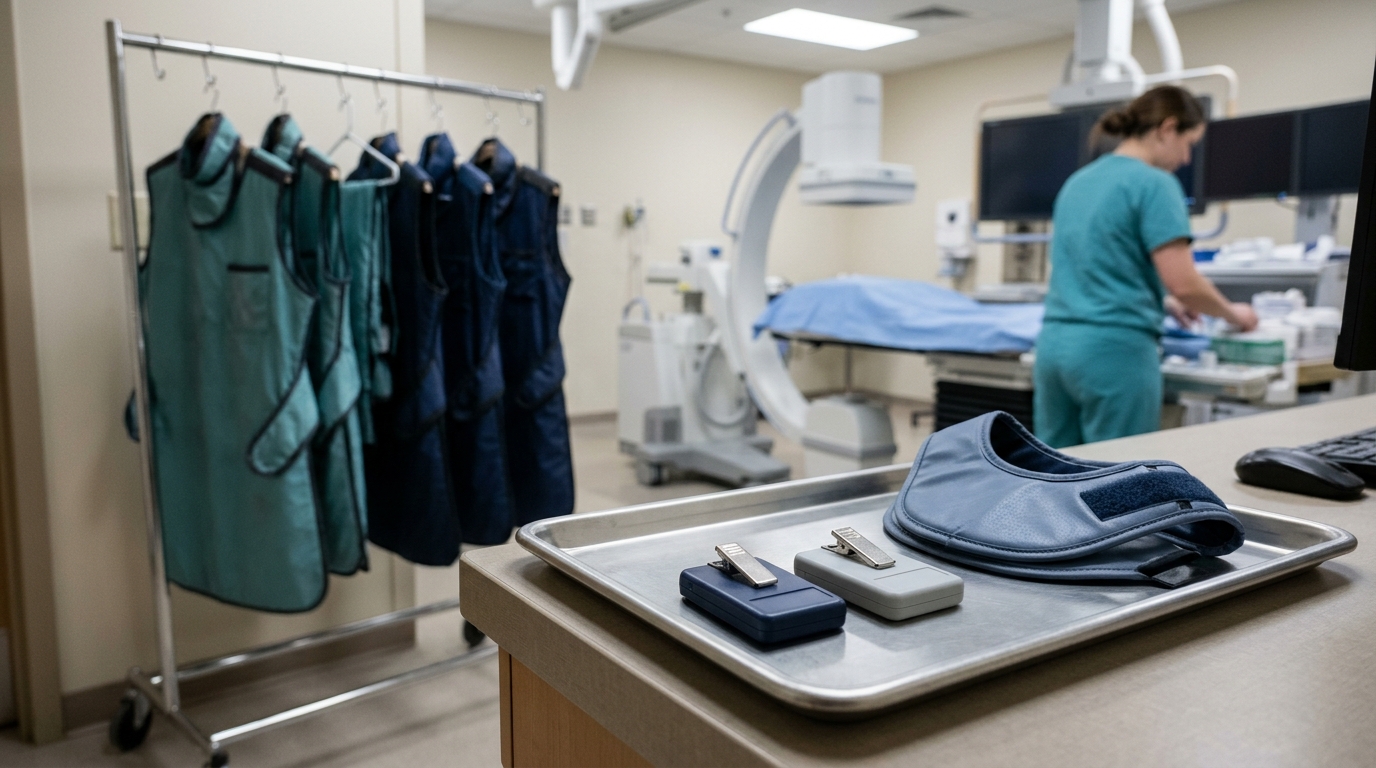
Routine individual exposure tracking was similarly deficient, with only 36.1 percent of nurses reporting that they wore a personal dosimeter while on duty.1
Strikingly, across the entire cohort of 518 surveyed nurses, not a single participant had ever reviewed or received an official personal dosimetry report detailing their occupational radiation exposure levels.1
Sources
Every number in the story points here. Each links to the original reporting.
CenterBioengineer.org
See a sentence its source doesn’t back up?
Tell us the source number and what’s wrong. We check every report. If we change the story, the fix goes on the corrections page with the old wording.