Supreme Court Grants Bail to AAP MLA Naresh Balyan in MCOCA Case


Key facts
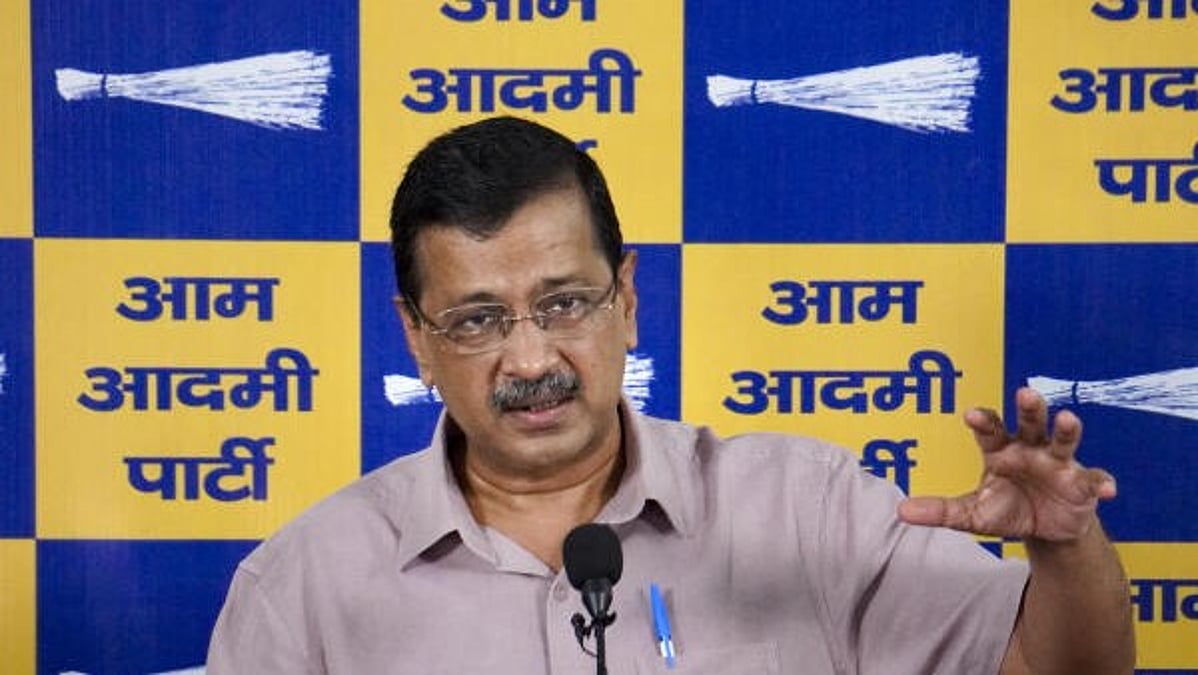
The Supreme Court granted bail to former Aam Aadmi Party (AAP) MLA Naresh Balyan on Friday, November 27, 2026, in a case registered under the Maharashtra Control of Organised Crime Act (MCOCA).1
A bench of Justices Vikram Nath and Aparesh Kumar Singh passed the order while hearing Mr. Balyan’s plea challenging a Delhi High Court order denying him bail in the case.2
Delhi High Court Denied Bail in August
On August 3, the Delhi High Court denied bail to Mr. Balyan, accused of being a facilitator in a crime syndicate allegedly run by gangster Kapil Sangwan.1
The High Court said a conversation between Mr. Balyan and the gangster demonstrated an “active criminal nexus” between them.2
Advocate Argues Political Vendetta
During the hearing on Friday, senior advocate Vikas Singh, appearing for Mr. Balyan, told the Supreme Court that his client was a former AAP MLA and a victim of “political vendetta.”1 2
Opposing the submissions, the counsel appearing for the Delhi Police argued that Mr. Balyan was part of an organised crime syndicate and that there were over 15 cases against the syndicate.1 2
The High Court had rejected his contention that he was himself a victim, had lodged complaints against Sangwan and was being projected as the gangster’s close associate due to political vendetta.2
It said Mr. Balyan’s complaints against Sangwan could not negate the other “incriminating material” at that stage and described his claim of political vendetta as “merely in the air and completely unsubstantiated.”2
Bail Order And Trial Cooperation
A bench comprising Justice Vikram Nath and Justice Aparesh Singh granted the relief..1 The Court directed that Balyan must cooperate fully with the trial, warning that the bail order would be withdrawn if he fails to do so.1
Mr. Balyan was arrested by the Delhi Police Crime Branch on December 4, 2024, in connection with an FIR registered under Sections 3 and 4 of the MCOCA.1
The prosecution has alleged that he acted as a facilitator for Sangwan’s syndicate, which was involved in extortion, threats, and forcing property owners to sell at undervalued prices.1
Sources
Every number in the story points here. Each links to the original reporting.
CenterLiveLaw
LocalThe Hindu
See a sentence its source doesn’t back up?
Tell us the source number and what’s wrong. We check every report. If we change the story, the fix goes on the corrections page with the old wording.