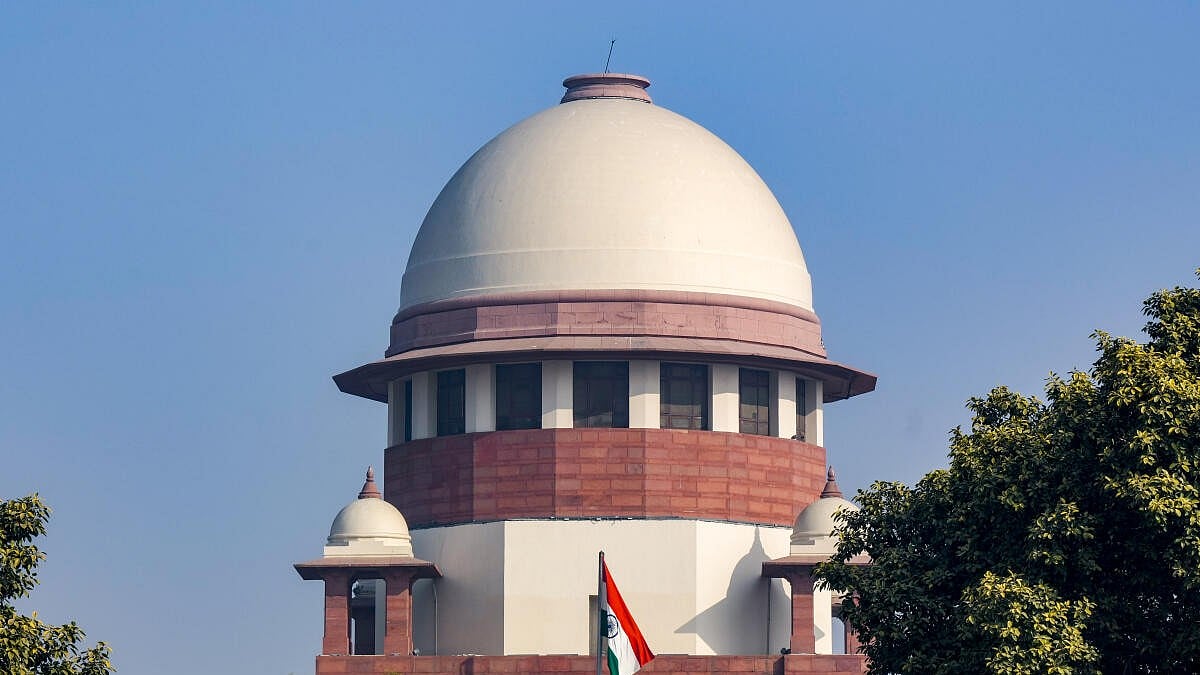
Supreme Court to Rule on Quebec’s Secularism Law Friday

Key facts
- The Supreme Court of Canada is set to hand down its ruling Friday on Quebec’s secularism law, Bill 21.1
- The Supreme Court was asked to determine whether Quebec properly used the notwithstanding clause.1
- Since 2019, Quebec, Ontario, Saskatchewan and Alberta have invoked the clause to shield controversial legislation from legal challenges.1
The Supreme Court of Canada is set to hand down its highly anticipated ruling Friday on Quebec’s controversial secularism law, a decision that could change how provinces use the Constitution’s notwithstanding clause and override charter rights.1 2
At the heart of the case is Bill 21, a provincial law adopted on June 16, 2019, by the Coalition Avenir Québec government led by then-premier François Legault..2 The government invoked closure to pass the legislation and pre-emptively invoked the notwithstanding clause.2 1
The use of the notwithstanding clause shielded the law from challenges based on charter rights to freedom of conscience and religion and equality rights..1 The law bars public sector workers in positions of authority from wearing religious symbols on the job, including hijabs, kippahs and turbans, and requires people offering and receiving government services to have their faces uncovered while doing so.2 1
What the Court Must Decide
The Supreme Court was asked to determine whether Quebec properly used the notwithstanding clause, whether there are limits on its use and whether a court can still declare that Bill 21 violates Charter rights..1 The court heard the case over four days last March, one of the longest hearings in its history.1
The ruling could change how provinces can override certain Charter rights in legislation..1 Since 2019, Quebec, Ontario, Saskatchewan and Alberta have invoked the clause to shield controversial legislation from legal challenges, including laws restricting the rights of transgender people in Alberta and Saskatchewan and Quebec’s language-law reforms.1
Opposition and Legal Challenge
Bill 21 has faced sharp opposition since its introduction, with critics arguing it disproportionately targets racialized religious minorities, particularly Muslim women who wear the hijab, by forcing them to choose between some public sector jobs, like teaching, and their religious beliefs..1 The law has been challenged by teachers, religious and civil liberties groups and the English Montreal School Board, which argued it violates constitutional rights and exceeds Quebec’s legislative authority.1
Lower courts upheld most provisions of the law..1 The federal government participated as an intervener and asked the court to impose limits on how provincial governments can override the Charter of Rights and Freedoms..1 Quebec’s newly elected premier and Parti Québécois Leader Paul St-Pierre Plamondon has criticized the federal government’s involvement in the legal challenge.1
Sources
Every number in the story points here. Each links to the original reporting.
CenterCJNT-DT
LocalGlobal News
See a sentence its source doesn’t back up?
Tell us the source number and what’s wrong. We check every report. If we change the story, the fix goes on the corrections page with the old wording.