

Key facts
- Trump suggested he is looking for areas of bipartisan cooperation as Democrats prepare to take control of Congress.1
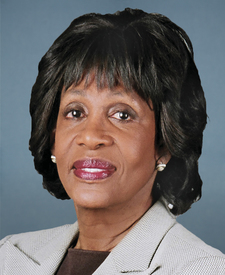
- Sen. Elizabeth Warren, D-Mass., who is expected to be the next chair of the Senate Banking Committee, has said repeatedly she wants to cap rates.1 2 Rep. Maxine Waters of California, a powerful Democrat who sits on the House Financial Services Committee, has also endorsed the idea in various ways.2
- Former Republican Rep. Bob Good criticized the proposal as government price fixing and socialism.1
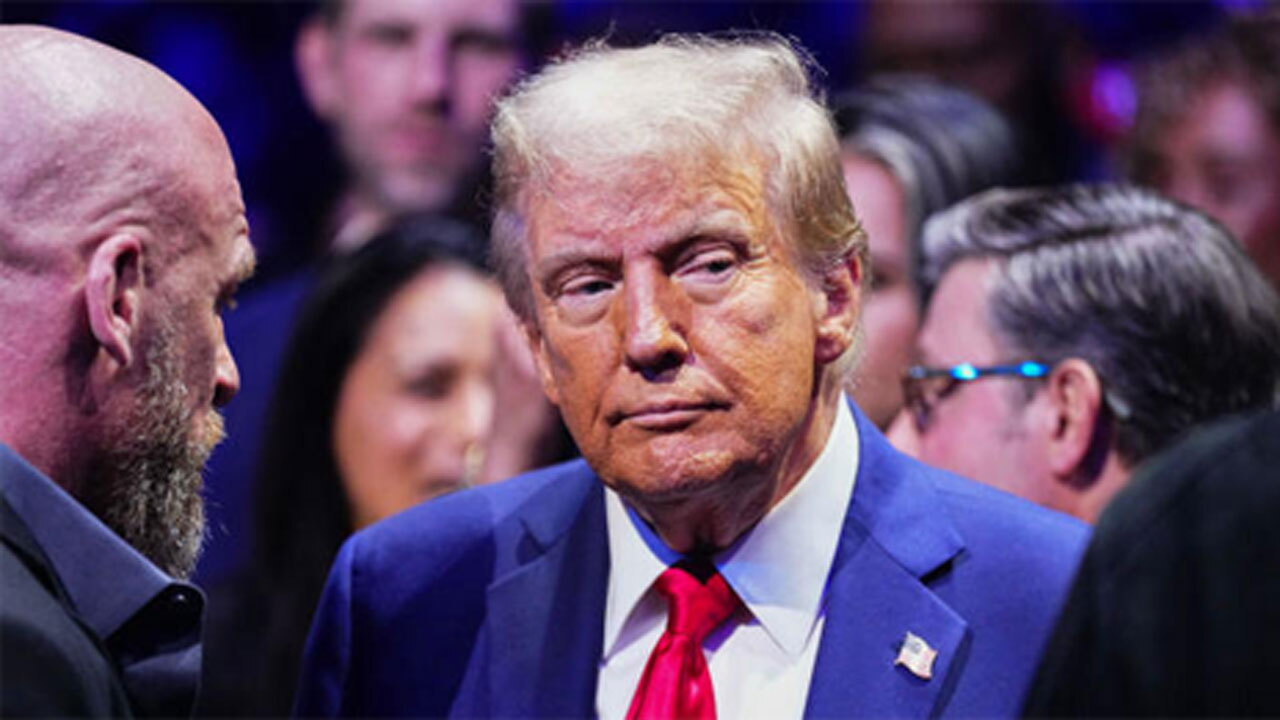
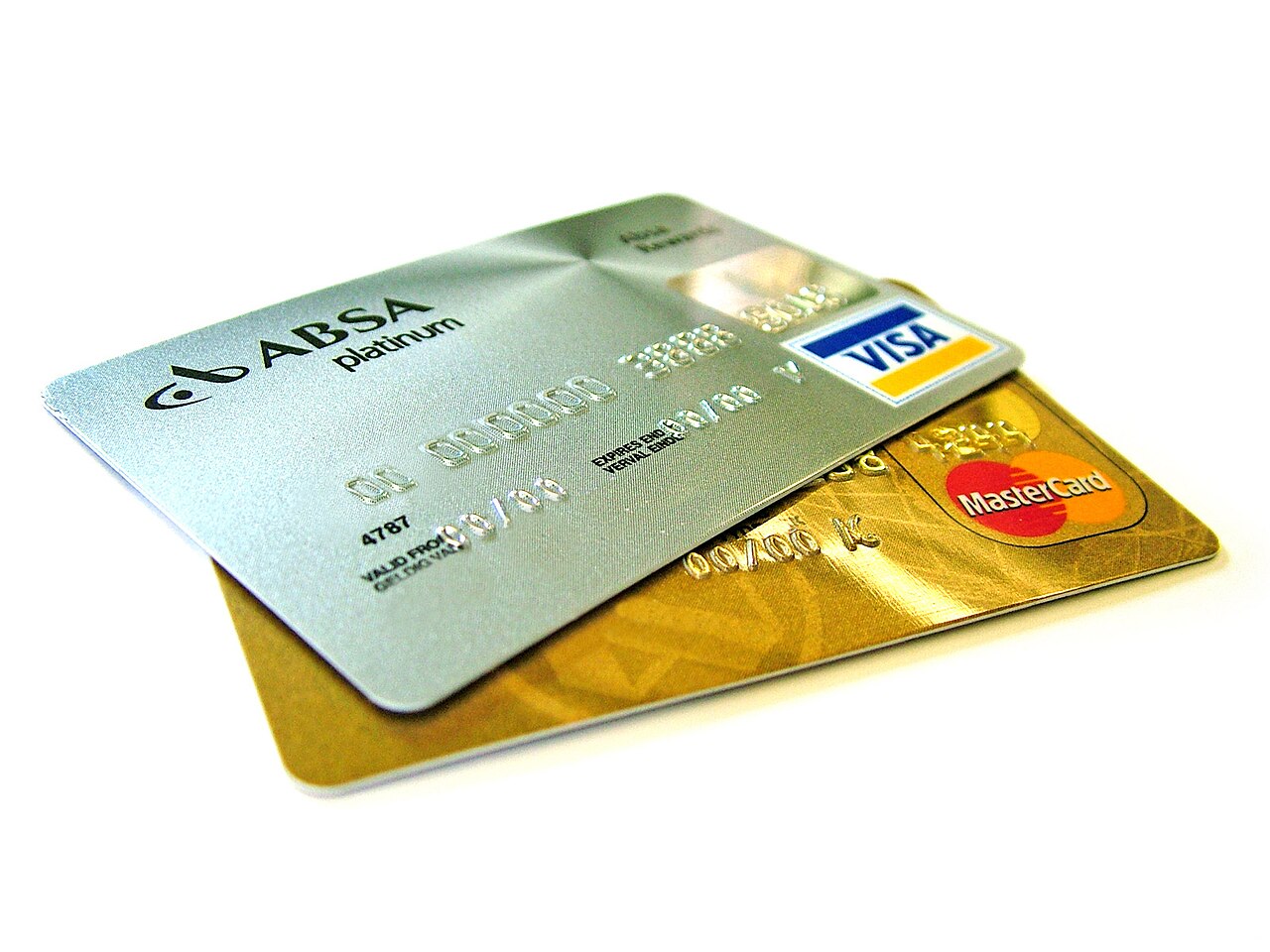
President Donald Trump is reviving his campaign promise to cap credit card interest rates at 10%.1
Trump criticized credit card companies for charging consumers excessive interest rates and fees in a Saturday interview with Fox News..1 He said the cap would cut the median credit card interest rate of approximately 22% in half and could save consumers roughly $100 billion annually in interest payments.1 2
A Promise Stalled Under Republicans
Trump first proposed the cap during his 2024 presidential campaign, but the idea stalled under Republican control of Congress..1 Banks and credit card companies immediately and aggressively opposed the proposal, saying any interest rate cap would force them to cancel cards for the poor and less creditworthy customers or substantially cut back on the rewards they offer when customers spend on their cards.2
Unlikely Democratic Support
Sen. Elizabeth Warren, D-Mass., who is expected to be the next chair of the Senate Banking Committee, has said repeatedly she wants to cap rates..1 2 Rep. Maxine Waters of California, a powerful Democrat who sits on the House Financial Services Committee, has also endorsed the idea in various ways.2
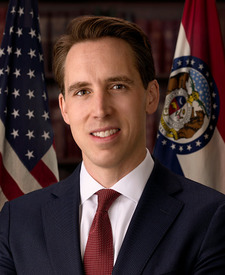
Former Republican Rep. Bob Good criticized the proposal as government price fixing and socialism, while Sen. Josh Hawley of Missouri praised Trump’s renewed push.1
Industry Concerns And A Path Ahead
Ana Staples, a credit card analyst at Bankrate, said, “It could mean very real savings for a lot of Americans.”1 “There’s also a potential downside because there’s been plenty of research that shows that a lot of consumers would actually lose access to credit.”
“When a lot of people lose access to credit, it doesn’t mean they stop seeking it,” Staples said.
Any nationwide interest rate cap would require congressional action, sparking debate over whether the potential savings outweigh the risks of restricting access to credit..1 About 195 million people in the United States had credit cards in 2024 and were assessed $160 billion in interest charges, the Consumer Financial Protection Bureau says..2 Americans are now carrying more credit card debt than ever, to the tune of about $1.23 trillion, according to figures from the New York Federal Reserve for the third quarter last year.2