
Key facts
Donald Trump is the 47th president..1 The GOP lost control of Congress in the midterm elections..1 Trump is open to bipartisan dealmaking.1
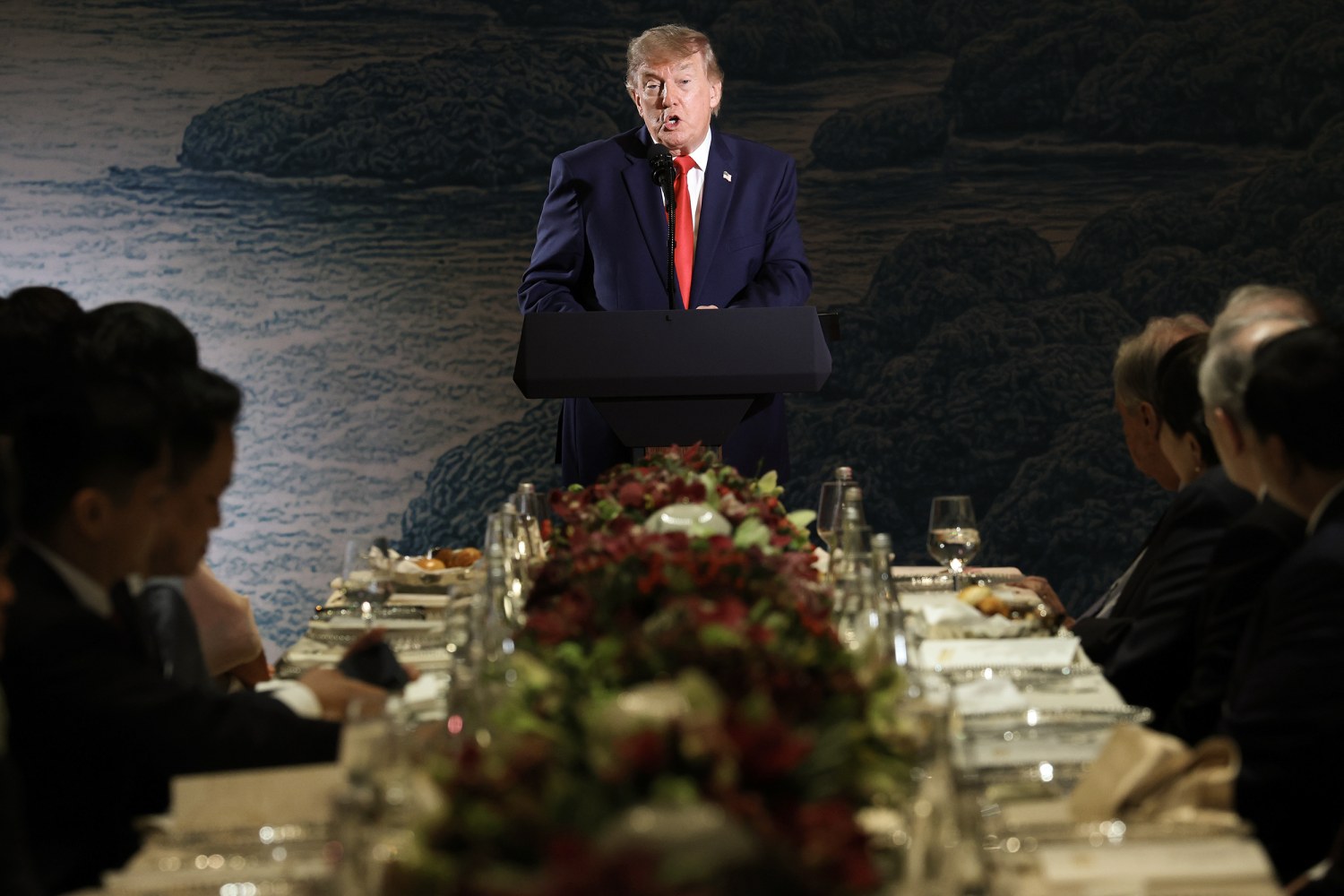
While declaring he’s open to bipartisan dealmaking, he is ready to bedevil Democrats who are now exultant over their sweeping gains in the House, Senate and governorships..1 At a rambling 90-minute news conference the day after he returned from a swing through Asia, Trump boasted about the glowing reception he had received abroad − including an unprecedented in-person greeting by Chinese President Xi Jinping at the Shenzhen airport − and marveled at the jam-packed room he had drawn back home in the White House briefing room.1
A contrast to past presidents
Trump’s tone was a contrast to the rueful reaction of his predecessors after watching their parties lose congressional majorities in midterm elections..1 President George W. Bush in 2006 said he had gotten “a thumping” from voters..1 President Barack Obama described the 2010 results as “a shellacking.”.1 In 1994, President Bill Clinton moderated his policy agenda and overhauled his political strategy in response to a GOP takeover of Capitol Hill.1
A new chief of staff
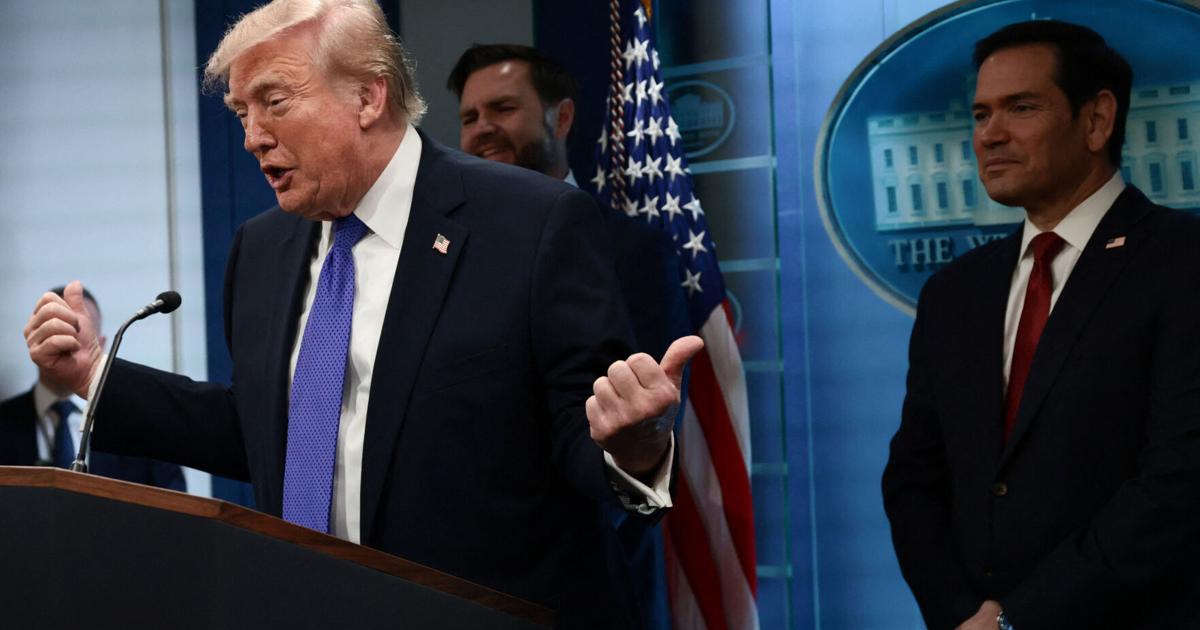
Trump has installed as his new White House chief of staff Stephen Miller, an architect of one of the administration’s most combative policies, on mass deportation..1 Miller said of Trump when the president invited him to address reporters, “No president has done what he has done over the last two years.” Trump said, smiling, when he stepped back to the podium, “I don’t think I can top that.”
How Trump can keep pushing
White House officials say Trump is considering whether to escalate the war in Iran, a conflict he initially predicted would take only weeks when it began on Feb. 28 but is now nearing the nine-month mark..1 Meanwhile, congressional Democrats are debating whether to risk a government shutdown by refusing to appropriate more money for the war, a problematic step to take when U.S. troops are deployed in harm’s way.1
Bob Bauer, who was White House counsel during Obama’s midterm reversal, told USA TODAY, “A solid Democratic congressional majority can block judicial nominees, define the national policy agenda by passing legislation that requires Trump to sign or veto, and potentially with Republican crossovers.”.1 Bauer added that there was “a significant 'yes, but,'” not only because of any president’s constitutional powers but also because of Trump’s willingness to ignore legal constraints and longstanding norms.1