Key facts
Two historic neighborhoods in northwest Huntsville have earned national recognition for their important roles in the city’s growth and African American history, the City of Huntsville said.2
The Magnolia Terrace Historic District and Gurley Addition and Brothers Heights Historic District were listed in the National Register of Historic Places on Nov. 18, the city said.2
The Alabama National Register Review Board approved the listing in September, the city said.2
The National Register of Historic Places is the nation’s official list of properties and districts recognized for their historical, architectural or cultural significance, the city said.1
Listing provides formal recognition of a property’s historic importance and can make qualifying preservation projects eligible for certain incentives, the city said.1
A black-led development
Gurley Addition and Brothers Heights Historic District was established beginning in 1946, the city said.1
The district represents an example of Black-led residential development, the city said.1
The neighborhood was planned and financed by Black developers, the city said.1
The district offered opportunities for homeownership and stability during a period when many Black residents were being displaced from established neighborhoods near downtown, the city said.1
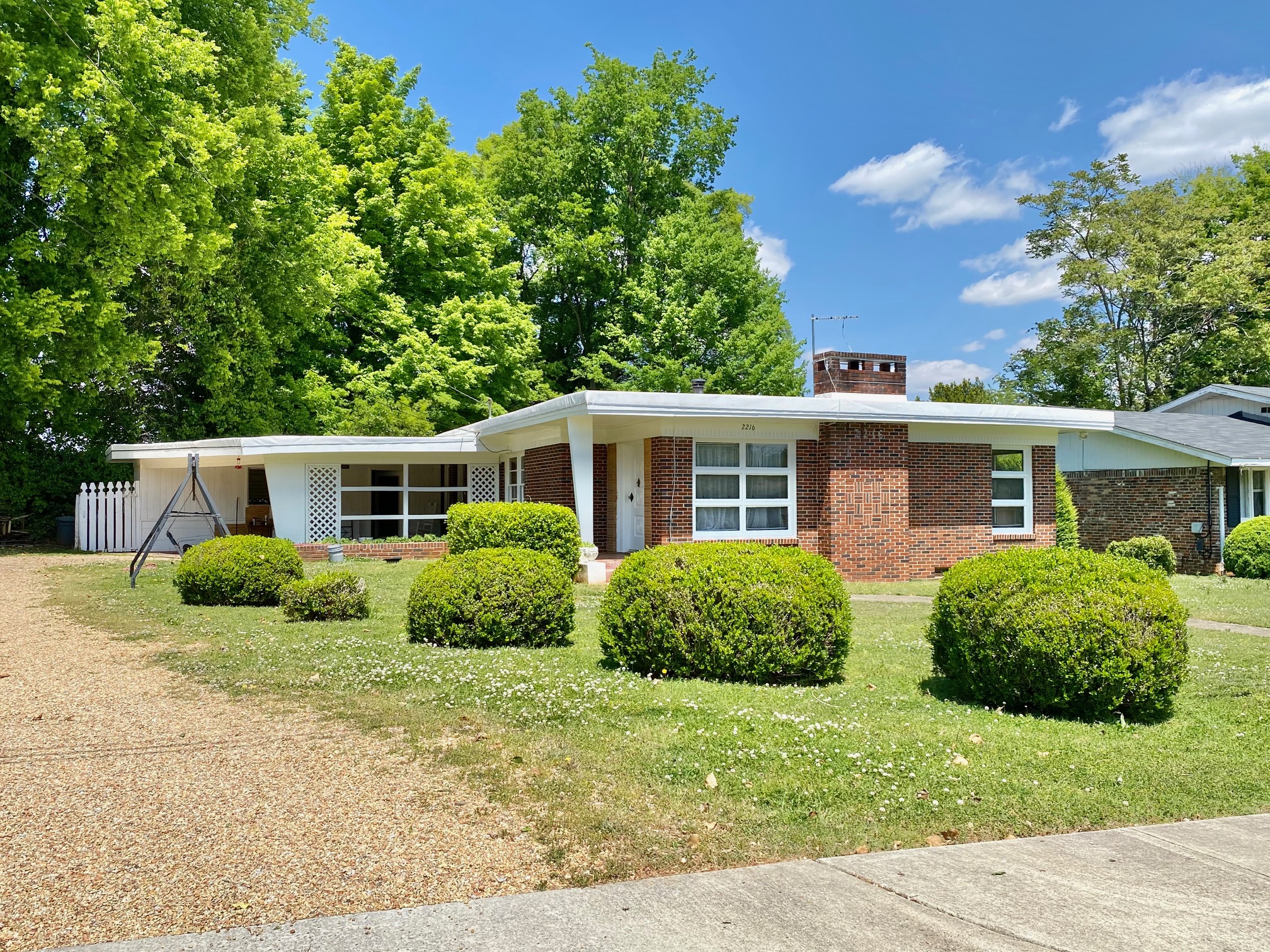
The district retains much of its original character, including modest postwar cottages, minimal traditional homes and ranch-style houses built during the 1940s through the 1960s, the city said.1
A growing black middle class
Magnolia Terrace Historic District developed beginning in 1950, the city said.1
The district became an important residential community for Huntsville’s growing Black middle class, including families relocating for jobs at Redstone Arsenal and those displaced by urban renewal, the city said.1
The district’s proximity to St. Joseph’s Catholic School, which served Black children during segregation, helped attract families to the neighborhood, the city said.1
Councilwoman Watkins on the recognition
District 1 City Councilwoman Michelle Watkins said, “These neighborhoods are more than streets and houses.”1
Watkins said the neighborhoods tell an important part of Huntsville’s story that deserves to be recognized and preserved, the city said.2
The neighborhoods were established during the city’s rapid expansion following World War II, providing housing and homeownership opportunities for Black families at a time when segregation, discriminatory lending practices and urban renewal limited their options, the city said.1