Key facts
International climate talks collapsed on Sunday without any major agreement.2
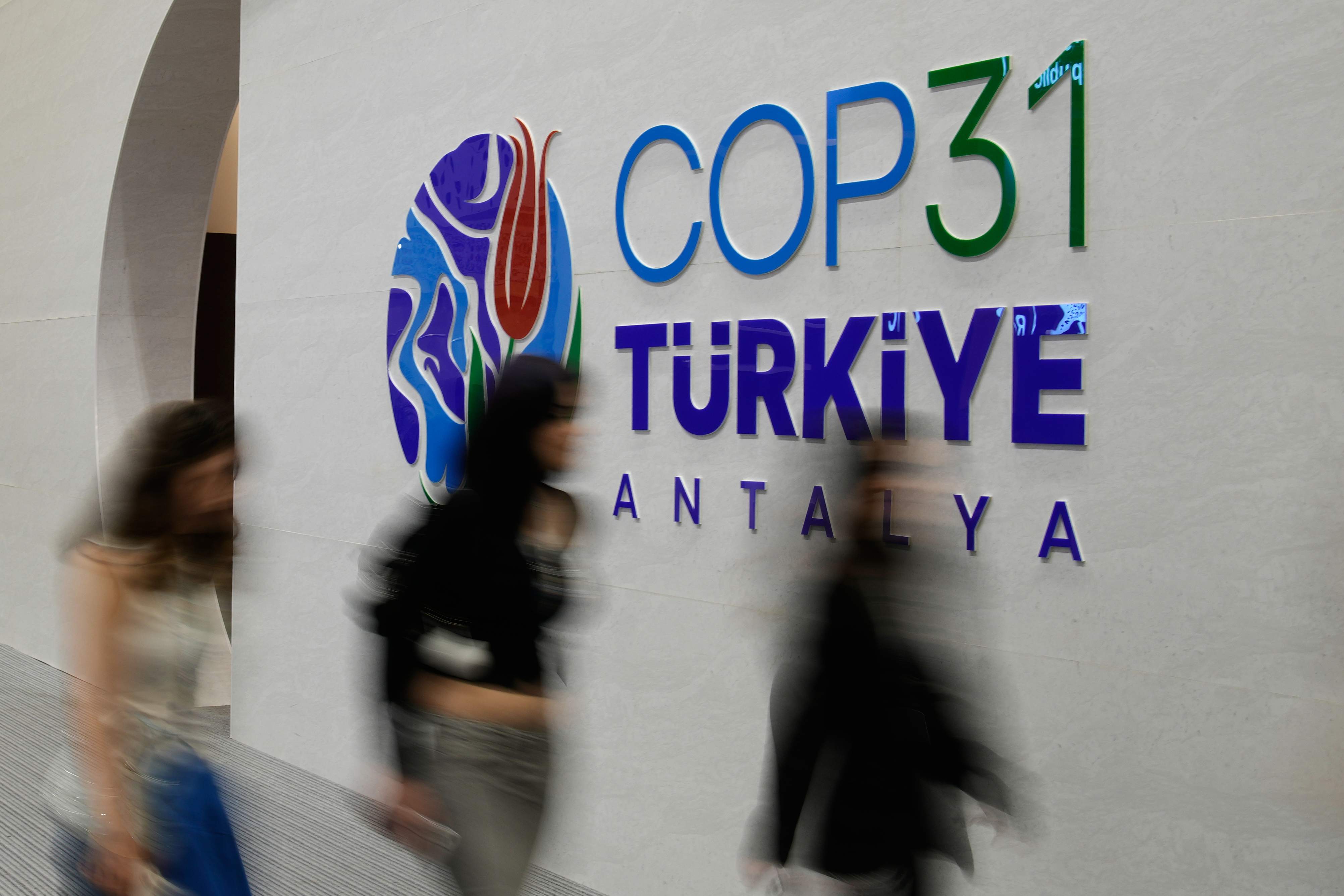
The climate talks, called COP31, ended Sunday in division and finger-pointing, without the hoped-for overarching agreement on fighting climate change that the world could follow.1
The main reason for the collapse was disagreement over mentioning the need to transition away from fossil fuels.1
What’s next for the U.N. climate process
The U.N. climate process reconvenes next year in Ethiopia.1
The Paris Agreement requires countries to ratchet up plans to cut carbon emissions and aims to keep global average temperatures out of the danger zone.1
The Paris deal set goals of limiting long-term warming to well below 2 degrees Celsius (3.6 degrees Fahrenheit) and preferably below 1.5 degrees Celsius (2.7 degrees Fahrenheit) above pre-industrial times.1
Earlier this year the U.N. conceded that it’s inevitable that the world will blow past the 1.5 degree mark, probably in a year or two.1
Six times this month, the average global daily temperature was more than 2 degrees Celsius above pre-industrial levels, according to the European climate service Copernicus.1
The November temperature spikes show that the world is not only passing the 1.5 mark over the long term, but isn’t too far away from the 2 degree threshold.1
Experts weigh in on the collapse
University of Pennsylvania climate scientist Michael Mann argues against making too much of these November heat spikes because they were influenced by the El Niño weather pattern, which is a phenomenon separate from climate change.1
Exceeding it over the long term means “danger in terms of billions of people suffering from droughts, floods, fire, heat waves, disease and human-reinforced storms,” Johan Rockström warned.1
Given the need to address suffering from increasing extreme climate events such as the deadly Nepal flood, environmental advocates Mohamed Adow of Power Shift Africa and Tasneem Essop of Climate Action Network International called it “the worst COP ever.”1
Because expectations were low and there wasn’t a big deal needed, this isn’t quite the worst climate talk failure, said climate negotiations historian Joanna DePledge of the University of Cambridge.1
That belongs to 2000 in The Hague — which had to be continued six months later in Germany — and 2009 in Copenhagen, where a hoped-for deal collapsed, she said.1
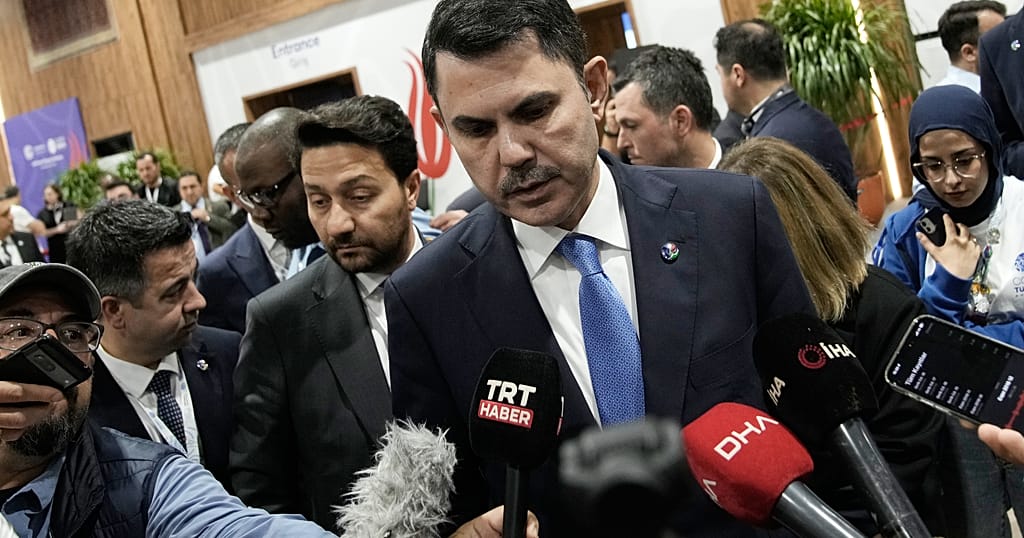
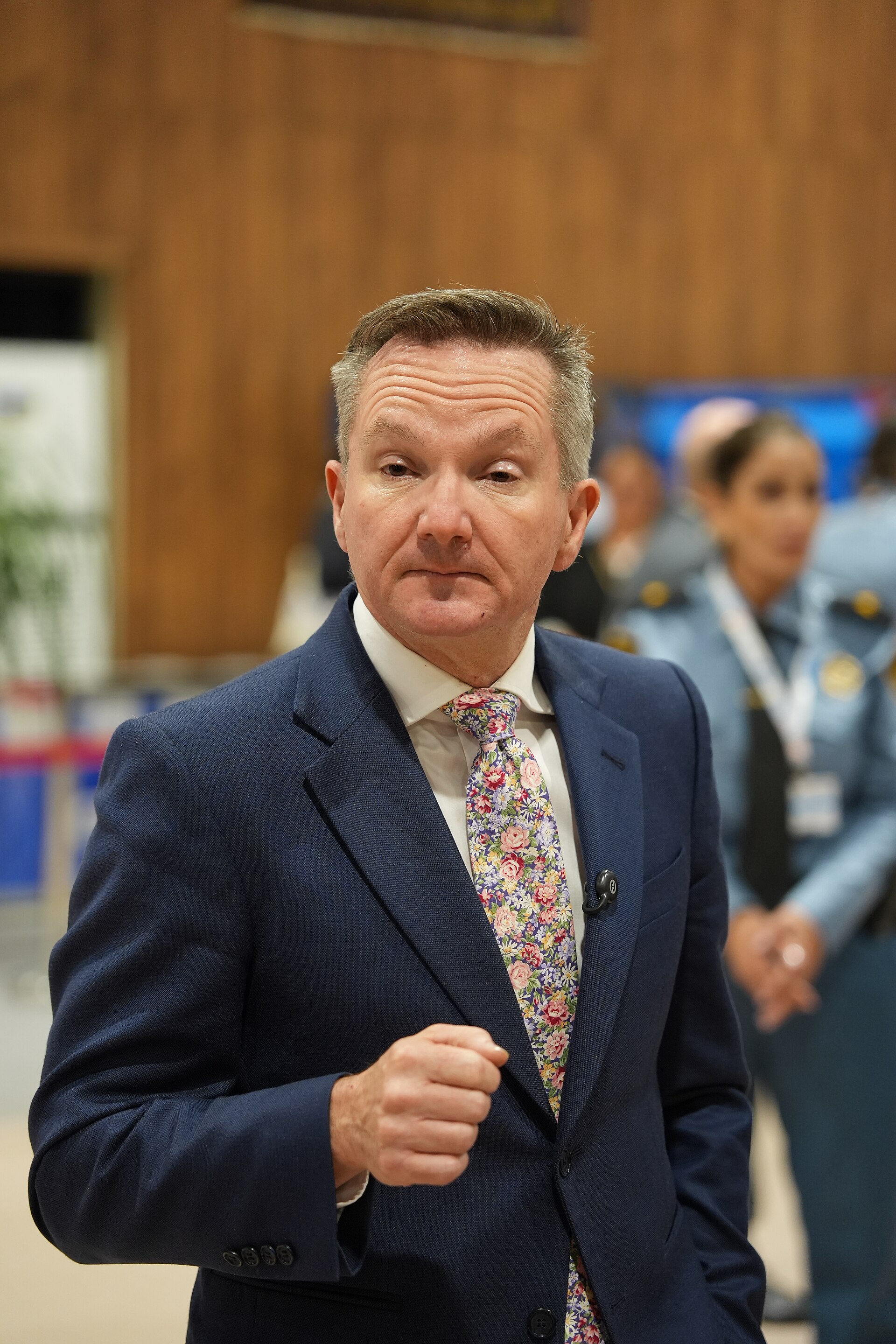
She blamed the joint Turkey-Australia leadership of COP31 , as did many experts , for handling the negotiations poorly.1
A call to keep pushing forward
UN Secretary-General Antonio Guterres expressed “a very profound frustration” over the failure of COP31 to secure a deal on climate change.3
United Nations climate chief Simon Stiell said as the negotiations fell apart.1
“The world cannot afford a repeat of this moment,” Stiell said.1
The Associated Press asked numerous experts to outline what’s next for the U.N. climate process, which reconvenes next year in Ethiopia, and the fight to reduce emissions of heat-trapping gases from the burning of fossil fuels.1