UNCTAD: Global Maritime Trade Set for Zero Growth in 2026

Key facts
- UNCTAD projects no growth for 2026, followed by a recovery of 3.2 per cent in 2027.1
- Seaborne trade reached 12.3 billion tonnes in 2025, up 1.9 per cent, compared with 3.9 per cent in 2024.1 2
- Freight rates more than doubled in the period to August, while crude oil tanker rates reached record highs on some routes.2
- UNCTAD Acting Secretary-General Pedro Manuel Moreno said small island economies and least developed countries are particularly exposed.2 1
Global seaborne trade is set to stall at zero growth in 2026 as simultaneous chokepoint disruptions from the Strait of Hormuz to the Panama Canal drive up shipping costs and hit least-developed and small island economies hardest, UN economists have warned.1
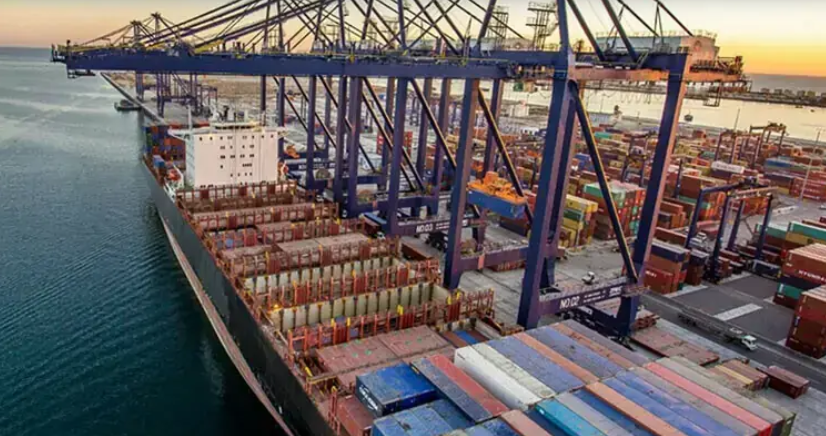
In its Review of Maritime Transport 2026, released on Thursday, UN Trade and Development (UNCTAD) said overall volumes transported on water reached 12.3 billion tonnes in 2025, but growth slowed to 1.9 per cent, which is half the pace of 2024.1 2
Chokepoint Disruptions And Higher Costs
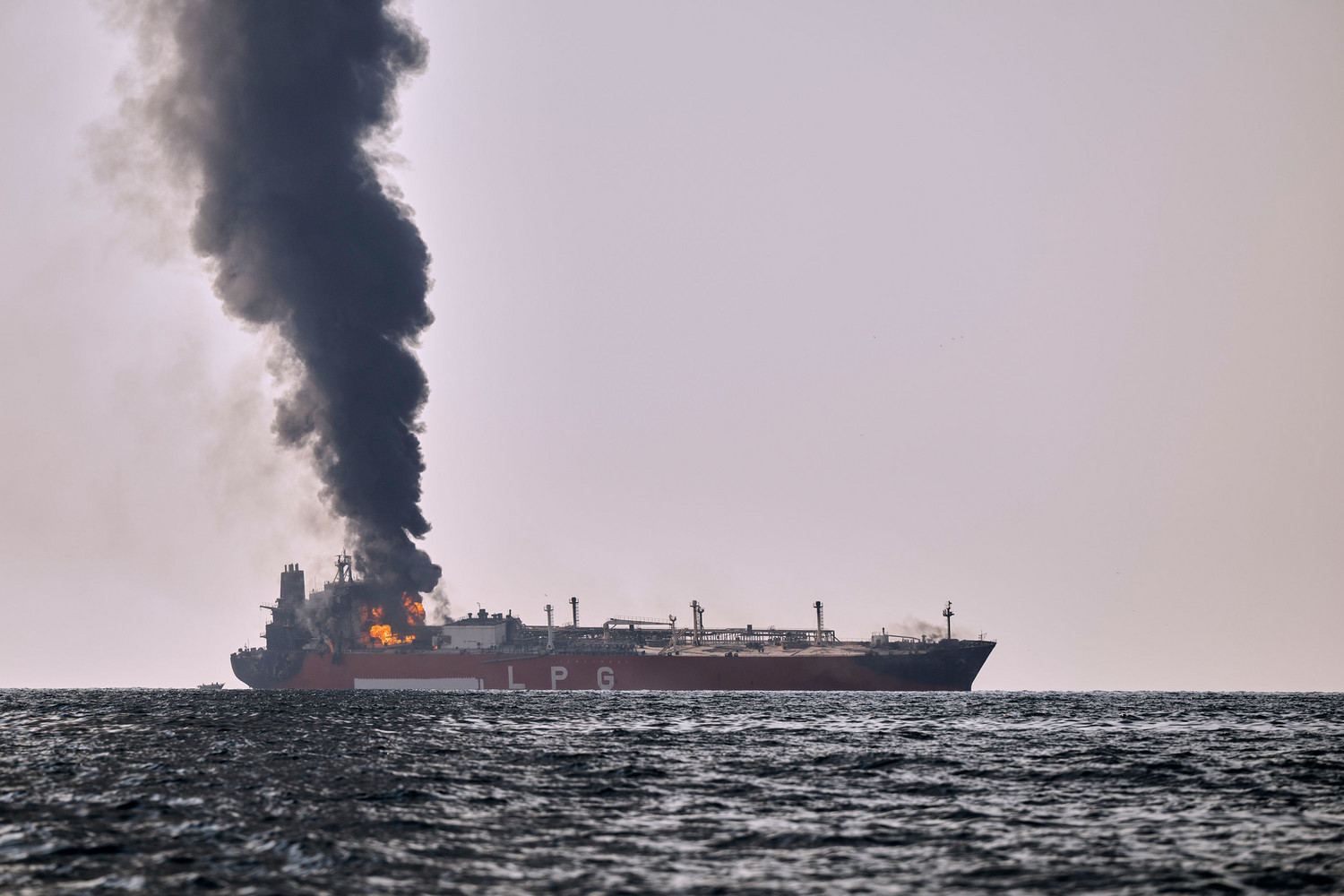
Disruptions across major shipping routes and chokepoints have forced vessels to undertake longer journeys..2 Since the start of the year, four key maritime bottlenecks, the Strait of Hormuz, the Red Sea, the Black Sea, and the Panama Canal, have all come under pressure.2
Freight rates more than doubled in the period to August, while crude oil tanker rates reached record highs on some routes.2 UNCTAD said if high marine fuel prices persist, higher shipping costs alone could push consumer price inflation in the least developed countries to nearly twice the global average.1
Vulnerable Economies And A Call For Resilience
More than 80 per cent of goods traded globally are transported by sea, including vital food and fuel supplies.2 UNCTAD Acting Secretary-General Pedro Manuel Moreno said small island economies and least developed countries are particularly exposed.1
More than 80 per cent of the goods the world trades travel by sea, including the food and fuel that countries rely on..1 Rerouting ships keeps goods moving, but lengthens journeys and raises costs, especially for smaller economies.1
Projected Growth And A Path Forward
The agency projects no growth for 2026, followed by a recovery of 3.2 per cent in 2027.1 UNCTAD has urged governments and industry to collaborate and strengthen resilience and sustainability across shipping and port planning, operations, and investment while protecting navigation and seafarers.2
Sources
Every number in the story points here. Each links to the original reporting.
LocalAfrica News
CompanyAssociated Press of Pakistan
See a sentence its source doesn’t back up?
Tell us the source number and what’s wrong. We check every report. If we change the story, the fix goes on the corrections page with the old wording.