Key facts
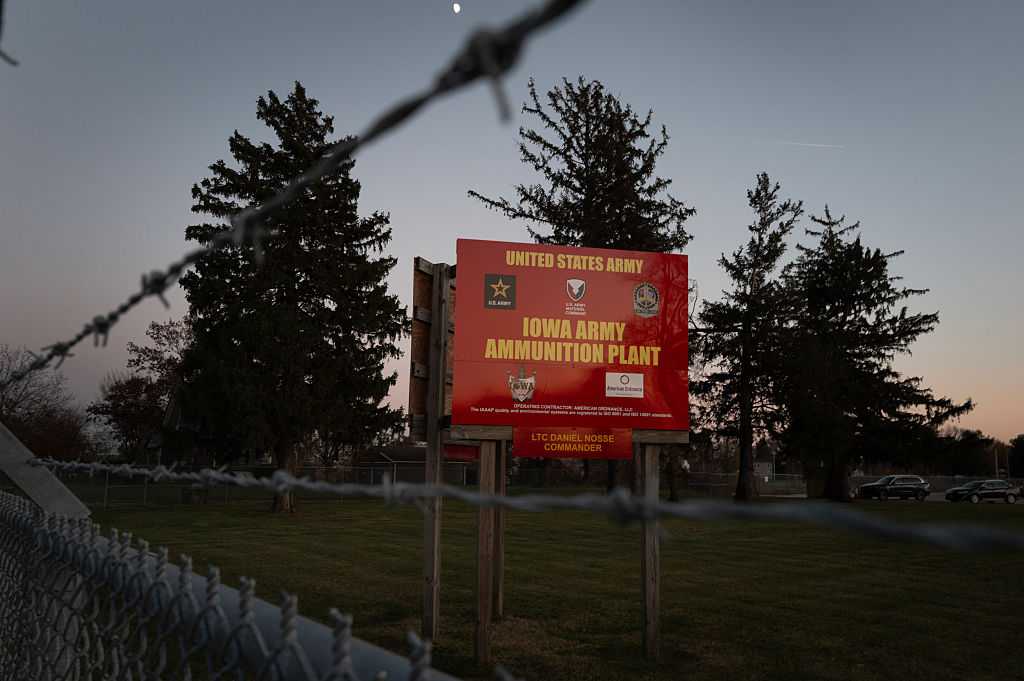
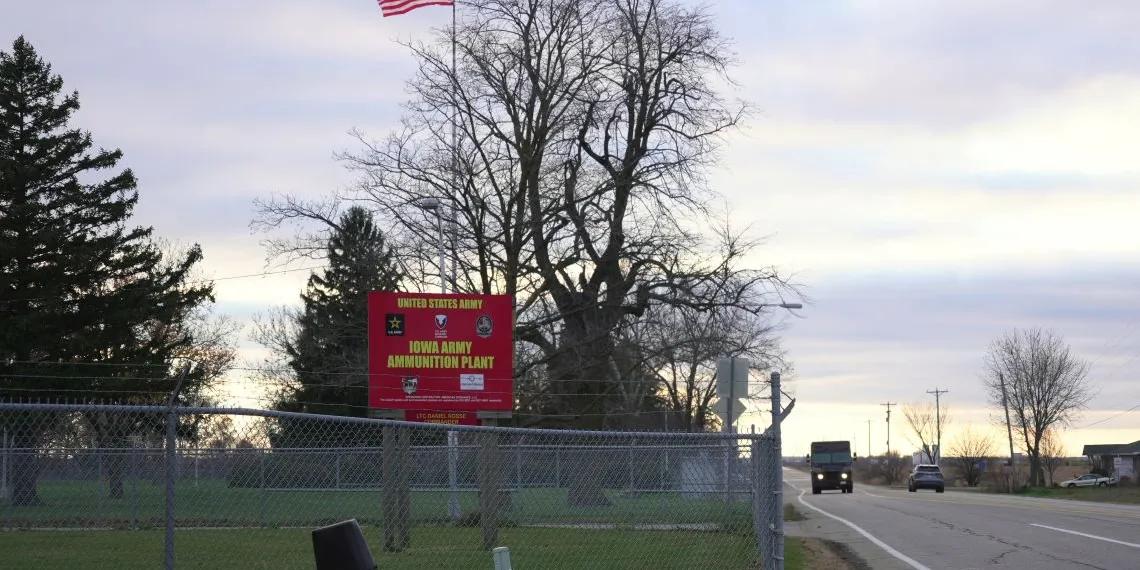
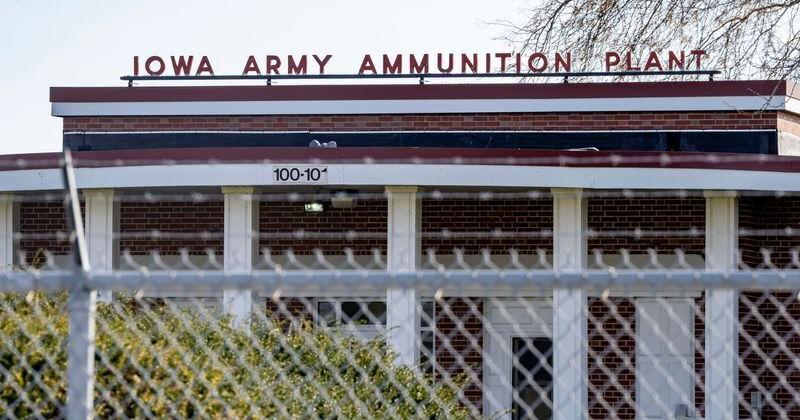
Federal officials laid out their mitigation plans a day before the U.S. Army was set to perform a controlled explosion of nearly five tons of lead azide at the Iowa Army Ammunition Plant.1
The U.S. Army recommended that local residents, especially children and pregnant women, evacuate.1
Maj. Gen. Eric Shirley told reporters that after months of research there was no other way to safely get rid of the barrels stored at the Middletown facility.1
Evacuation Plan and Mitigation Measures
Officials recommended that nearby Middletown residents evacuate their homes Tuesday and remain relocated until Friday at the earliest.1
The Army said evacuated individuals will be notified by phone once the all-clear is given and at that point may return home at their convenience.1
The recommended evacuation zone covers a 5-mile cone extending southwest of the Army plant and one mile beyond the dispersion path.1
Adam Telle, the acting secretary of the Army, said at a news conference that his teams worked with several experts to mitigate the effects of detonating the nearly 9,700 pounds of the toxic and volatile substance, including using a waterwall, foam barriers and gel blocks to contain the explosion.1
Court Stay and Legal Challenges
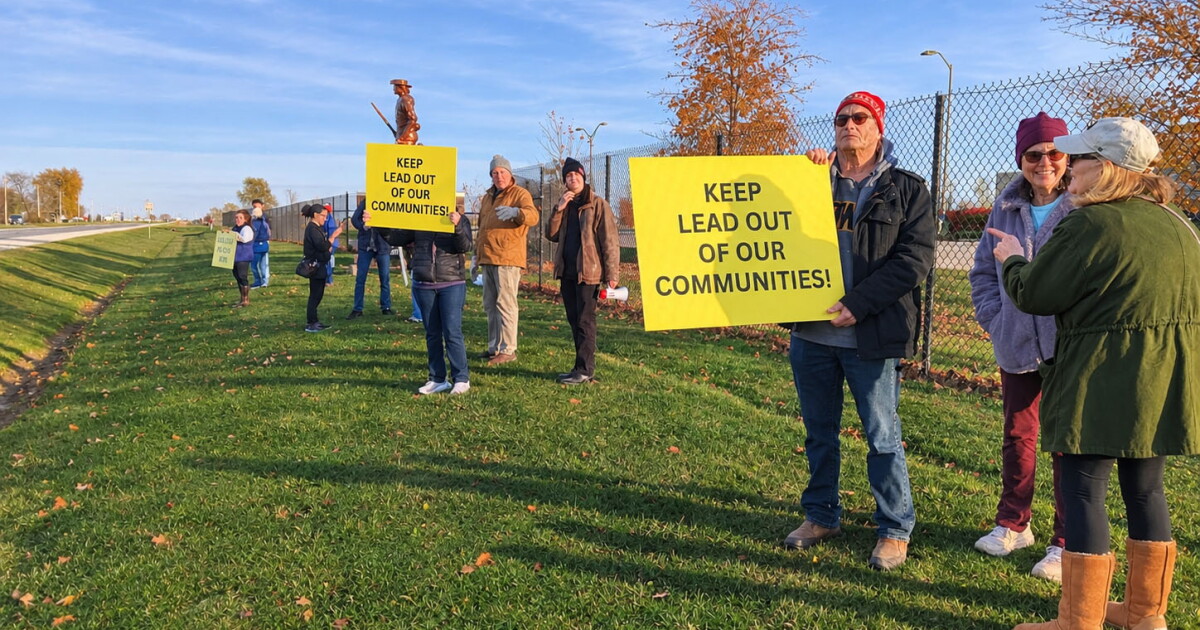
The Iowa Environmental Council and Sierra Club Iowa Chapter filed an emergency motion on Thursday arguing that the detonation could spread lead dust across a large area, potentially reaching communities more than 100 miles from the plant.1
The Eighth Circuit Court of Appeals granted an administrative stay of the permit while the federal appeals court considered the emergency request to formally halt the detonation.1
The court lifted the administrative stay on Monday while denying the emergency motion.1
The two environmental groups said they would not pursue any further legal action following Monday’s decision, but pushed the federal government to remain transparent about the explosion with the public.1
Scheduled Detonation and Weather Postponements
The Army said in a post on X that it has scheduled the controlled detonation for Nov. 25 to allow for “optimal weather conditions” and ensure that all mitigation measures are in place.2
The Army initially scheduled two controlled detonations at the Iowa Army Ammunition Plant on Nov. 20 to dispose of the degraded lead azide stored at the facility.2
The detonations were later postponed to Nov. 23, before the appeals court issued a stay on the EPA permit.2
The Army said agencies are taking steps to ensure the controlled detonation is being conducted in “the safest fashion possible.”2
EPA Permit and Cold Weather Risk
The EPA-approved emergency permit said moving or relocating the lead azide posed an unacceptable risk of accidental detonation, a possibility that increases in cold weather.2
Government lawyers said that bunkers storing the barrels have become more vulnerable to temperature changes because the blast doors have already been removed in preparation of the controlled detonation.2
The government noted that the blast doors cannot be replaced.2
The government said it needed to carry out a controlled detonation to protect the public.2
The government warned that lead azide stored at the Iowa Army Ammunition Plant could “spontaneously explode” as temperatures are expected to fall below 30 degrees Fahrenheit in the next several days.2
FEMA and Health Agency Statements
Cam Hamilton, the administrator of the Federal Emergency Management Agency (FEMA), said at the news conference, “We’ve made it very clear to those who are within a southwesterly location, if they choose to relocate, we will offer services.”1
Sean Kaufman, the principal deputy assistant secretary for preparedness and response at the U.S. Department of Health and Human Services, told reporters that pregnant women, children and anyone with chronic illness who lives near the plant should evacuate.1
Missouri Gov. Kehoe Activates State Emergency Operation Center
Missouri Gov. Mike Kehoe activated the State Emergency Operation Center Tuesday in anticipation of the blast.1
Activating the State Emergency Operations Center is a proactive measure to ensure all resources are available if necessary.1
President Trump Weighs In
President Donald Trump weighed in for the first time on a controversial plan to blow up five tons of hazardous material at a military outpost in Iowa Monday, saying he is temporarily overruling the Army’s decision to go forward with the detonation on Wednesday.3