Key facts
- The controlled blast is intended to prevent the aging explosive from detonating on its own.1
- Officials said information about the problems with the lead azide stockpile had been made public.1
- The Army said it would release updated projection maps hourly beginning six hours before the scheduled explosion.1
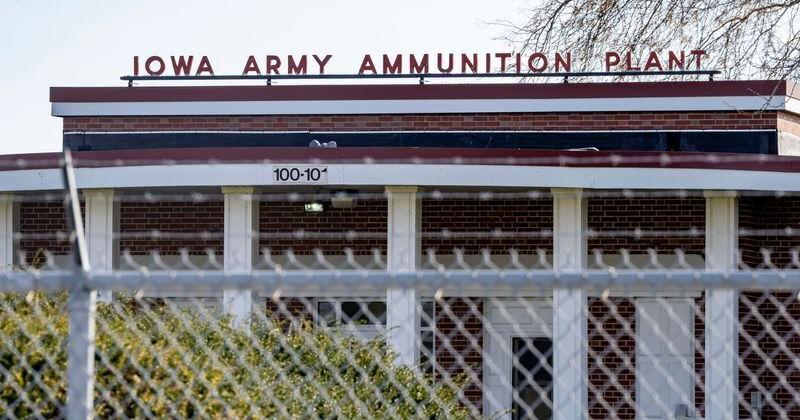
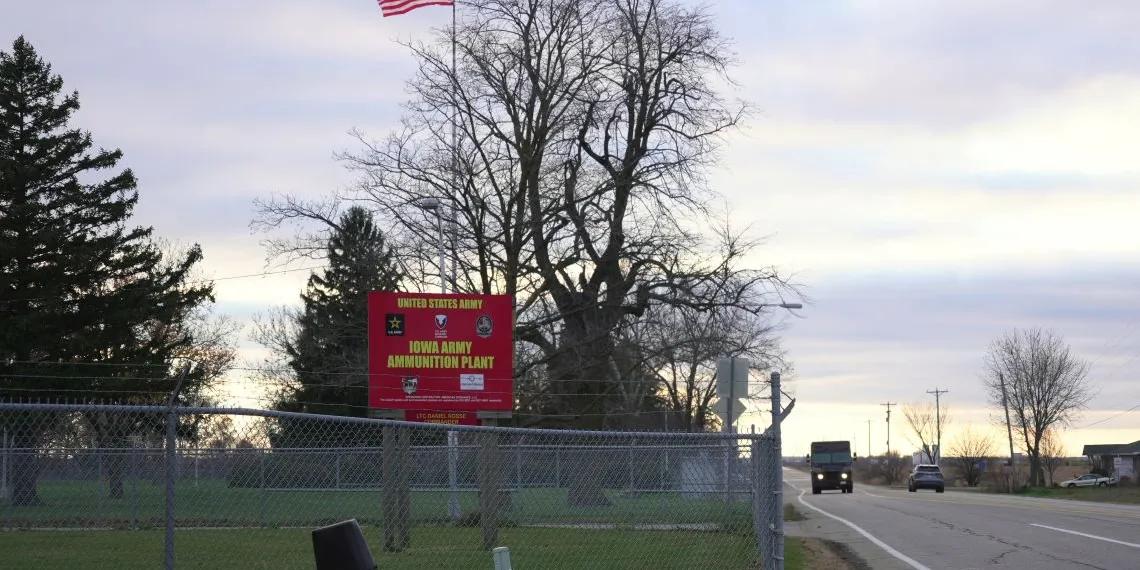
The U.S. Army said it was working to keep toxic lead dust to a minimum when it detonates nearly 10,000 pounds of degraded lead azide in Iowa on Wednesday, as residents sought clearer information about the risks from the blast.1
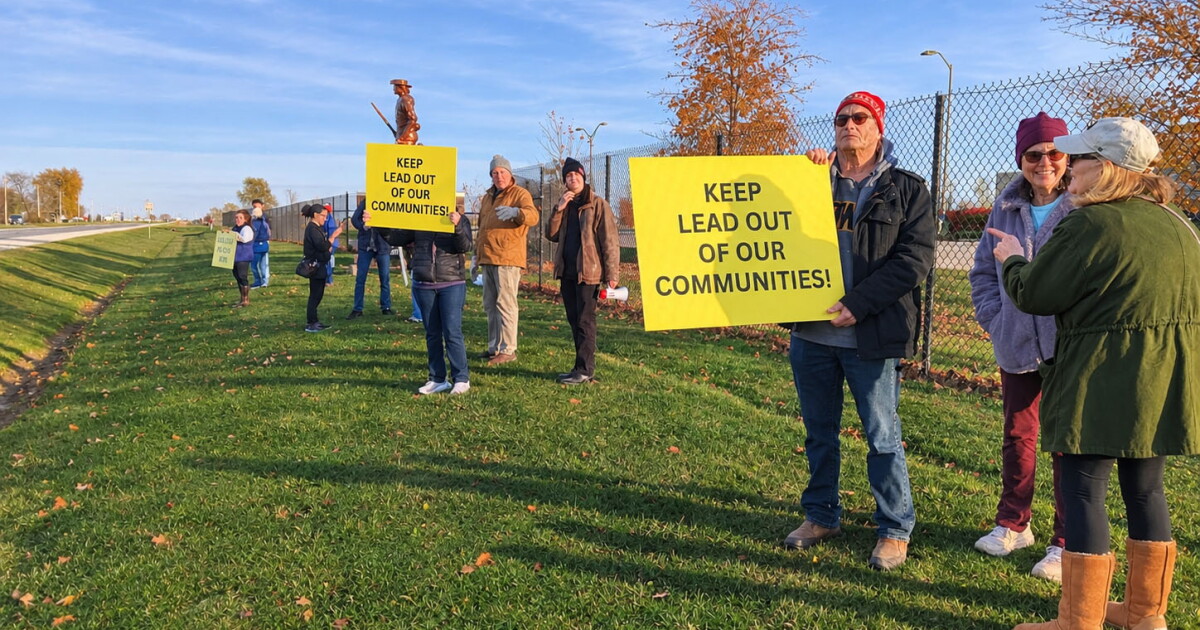
Residents in southeastern Iowa have struggled to keep up with changing information about where a plume of lead dust could travel after the explosion.1
Mitigation Measures Around Bunkers
At a press conference on Tuesday, officials said the mitigation measures, some put in place in recent days, included a series of earthworks encircling two subsurface concrete bunkers containing the lead azide, as well as a misting apparatus to dampen the surrounding terrain and a system to flood the blast site with special foam designed to capture dust from the blast.1
Acting Secretary of the Army Adam Telle said the detonation at the Iowa Army Ammunition Plant in Middletown was scheduled for 9 a.m. on Wednesday, when weather conditions were expected to be “ideal to protect public health and safety across the region.”1
A Stockpile That Had Been Sitting
Lead azide is an explosive chemical used to detonate military munitions.1
The Army brought stockpiles from installations around the country to the Iowa plant in 2009 after moving away from its use.1
Officials discovered dangerous crystallization during an inspection in March and have since been seeking a safe way to dispose of it.1
The Army contacted the Bureau of Alcohol, Tobacco, Firearms and Explosives in March seeking guidance on the stockpile, according to ATF Director Rob Cekada.1
Some of the lead azide was already more than 60 years old when it was moved to Iowa, according to Rob Cekada.1
Cekada said falling temperatures make lead azide more sensitive to shock and friction, raising the risk that it could detonate on its own.1
The last major disposal of lead azide was an open-air detonation of 7,000 pounds of the chemical in Colorado in 1977, according to Army Colonel Aaron Teller.1
Teller said the detonation occurred with “zero mitigation” and that 75 percent of the lead particulate remained at the incident site.1
Evacuation Zones And Soil Samples
The Federal Emergency Management Agency said residents within 5 miles of the blast may be evacuated.1
The Federal Emergency Management Agency said those within 5 to 20 miles were advised to stay indoors with windows closed to avoid lead dust exposure.1
Army projections released on Tuesday showed lead dust could settle on surfaces as far as 40 miles southwest of the blast site, extending through southeastern Iowa into northern Missouri.1
Airborne particles could travel nearly 100 miles within eight hours, according to the projections.1
The Army said it would release updated projection maps hourly beginning six hours before the scheduled explosion and release a final estimate of the affected area afterward.1
Officials said information about the problems with the lead azide stockpile had been made public and town halls had been held to inform members of the community closest to the detonation site.1
Jill Holler, 51, took soil samples from her two family farms near Middletown this week so she can compare lead levels after the detonation.1