Key facts
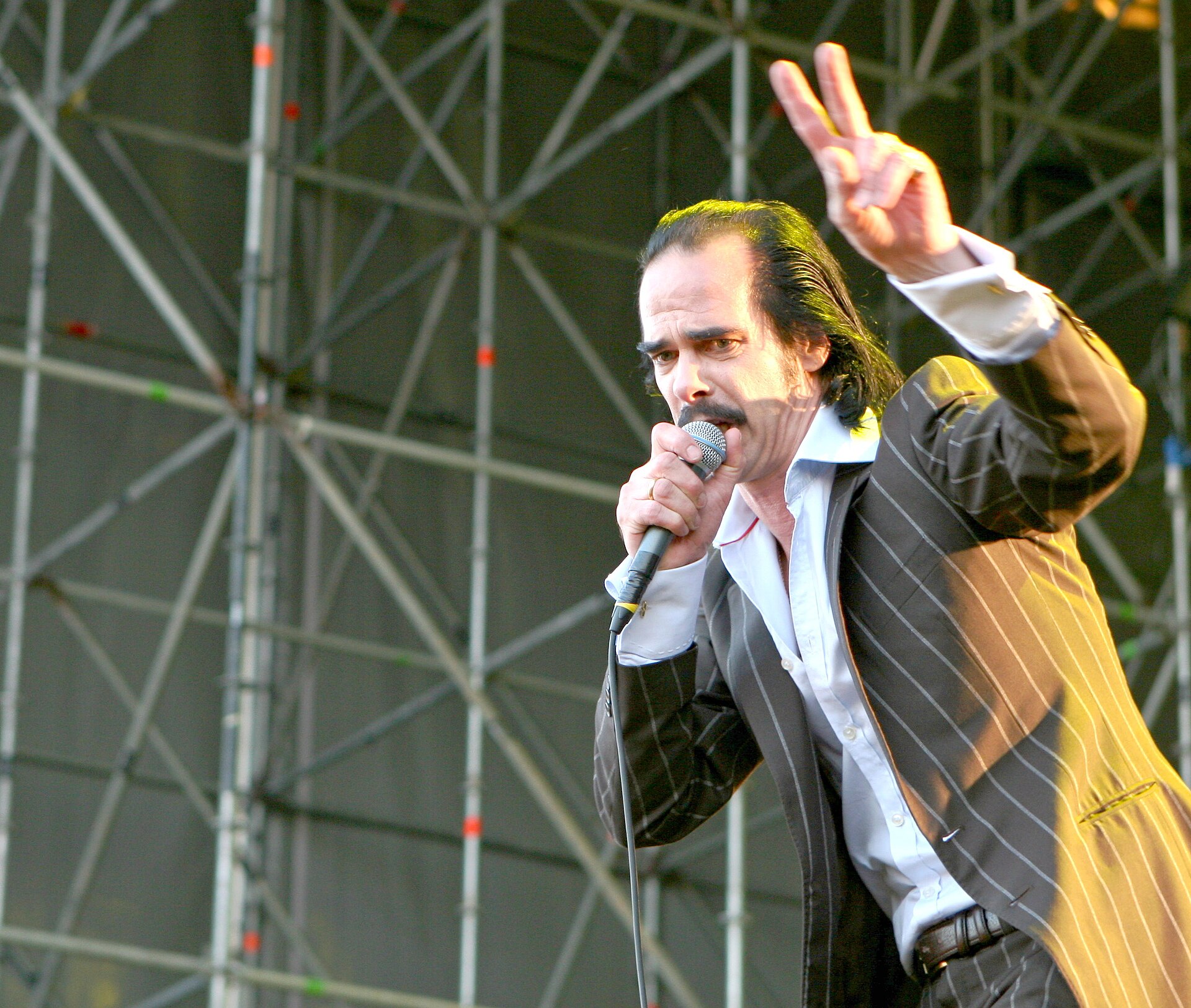
- LONDON -- Chicago-based artist Nick Cave was named best artist in the Venice Biennale’s main show on Wednesday.1
- Visitors chose the winners of the world’s oldest art exhibition for the first time.2
- In Venice, Cave showed seven new and recent works, including “Amalgam (Origin),” a monumental bronze sculpture of a figure.1
Chicago-based artist Nick Cave was named best artist in the Venice Biennale’s main show on Wednesday, and India won the Visitor’s Lion for the best national pavilion—the top prizes at this year’s edition of the major art event.1
At any other edition, the honors are called Golden Lions and awarded by a jury of art world insiders..1 But this year, the jury resigned shortly before the Biennale’s opening in May, and organizers quickly pivoted to public votes.1
Dozens of artists then ruled themselves out of the contests in solidarity with the jury, though their names continued to appear on the ballot, so it was unclear whether visitors actually chose Cave and India as their favorites.1
Visitors chose the winners for the first time
Visitors chose the winners of the world’s oldest art exhibition for the first time after the international jury quit before the exhibition opened in May.2
The resignation was triggered by tensions after jurors indicated they would exclude Israel and Russia from consideration for the coveted Golden Lion awards because their leaders face International Criminal Court arrest warrants.2
In 2023, the International Criminal Court issued an arrest warrant for Russian President Vladimir Putin over his country’s actions in Ukraine, and the following year it issued one for Israeli Prime Minister Benjamin Netanyahu on accusations of war crimes in the Gaza Strip.1
Soon after the jury’s announcement, Belu-Simion Fainaru, the sculptor representing Israel, said in an interview with The New York Times that he had consulted lawyers over the jury’s decision.1
Cave’s bronze sculpture
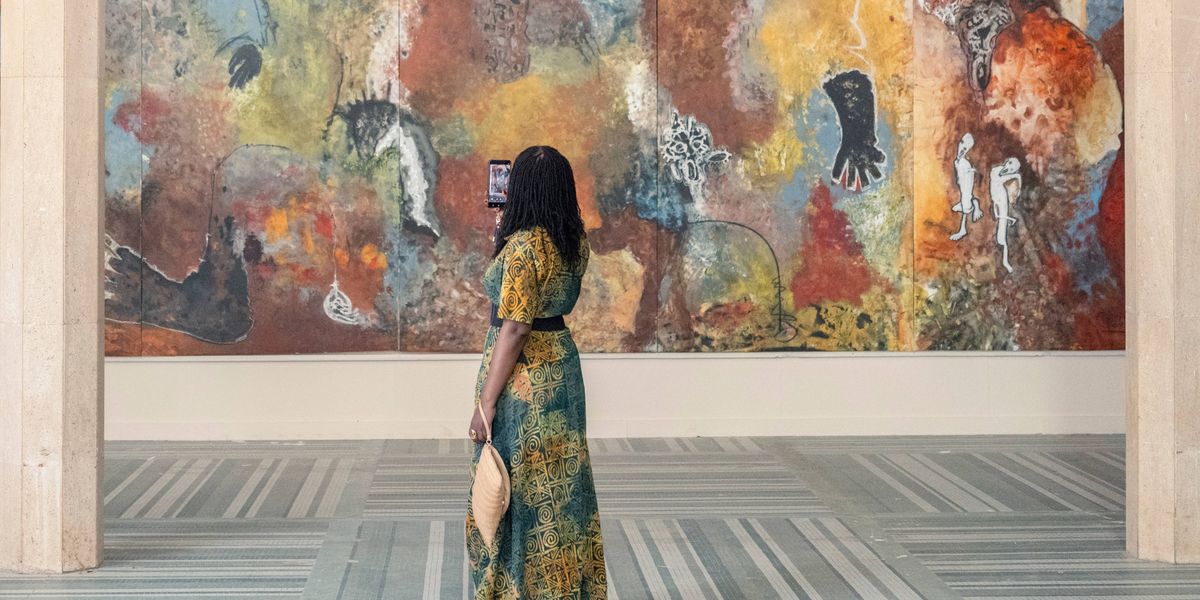
In Venice, Cave showed seven new and recent works, including “Amalgam (Origin),” a monumental bronze sculpture of a figure with branches and flowers growing out of and around its body.1
That sculpture, which Cave exhibited last year at the Jack Shainman Gallery in New York City, was based on a digital scan of the artist’s body.1
India’s pavilion on the idea of home
India’s pavilion in the Arsenale titled “Geographies of Distance: Remembering Home” was curated by Amin Jaffer and examined home as an idea constantly subject to change, according to the official catalogue.2
The pavilion was chosen from 100 national pavilions, the highest number ever.2
All their pieces focused on the idea of home, including Sumakshi Singh’s “Permanent Address,” a reconstruction of her family’s now-demolished residence in New Delhi, made of white thread, and Asim Waqif’s “Chaal,” a large sculpture made using bamboo poles similar to those used for scaffolding in India.1
Biennale attendance and the Venice Architecture Biennale
Some 714,000 people visited this year’s edition, which ran from May 9 through Nov. 22, the Biennale said Sunday in a news release.1
In the show’s final days, debate began switching to which countries should be allowed to participate in next year’s Venice Architecture Biennale, scheduled to open May 8.1
The 61st Biennale was one of the most contested in memory, and included protests outside the Russian and Israeli pavilions during the preview days open to journalists and the art world.2