Key facts
- The rate would fall to 17 percent if New Delhi signed a trade deal with Washington.1
- Public hearings and comments are expected to begin soon.1
- The US government administration proposed new tariffs on 14 major trading partners.2 The tariffs are aimed at combating what the US government calls structural excess industrial capacity.2
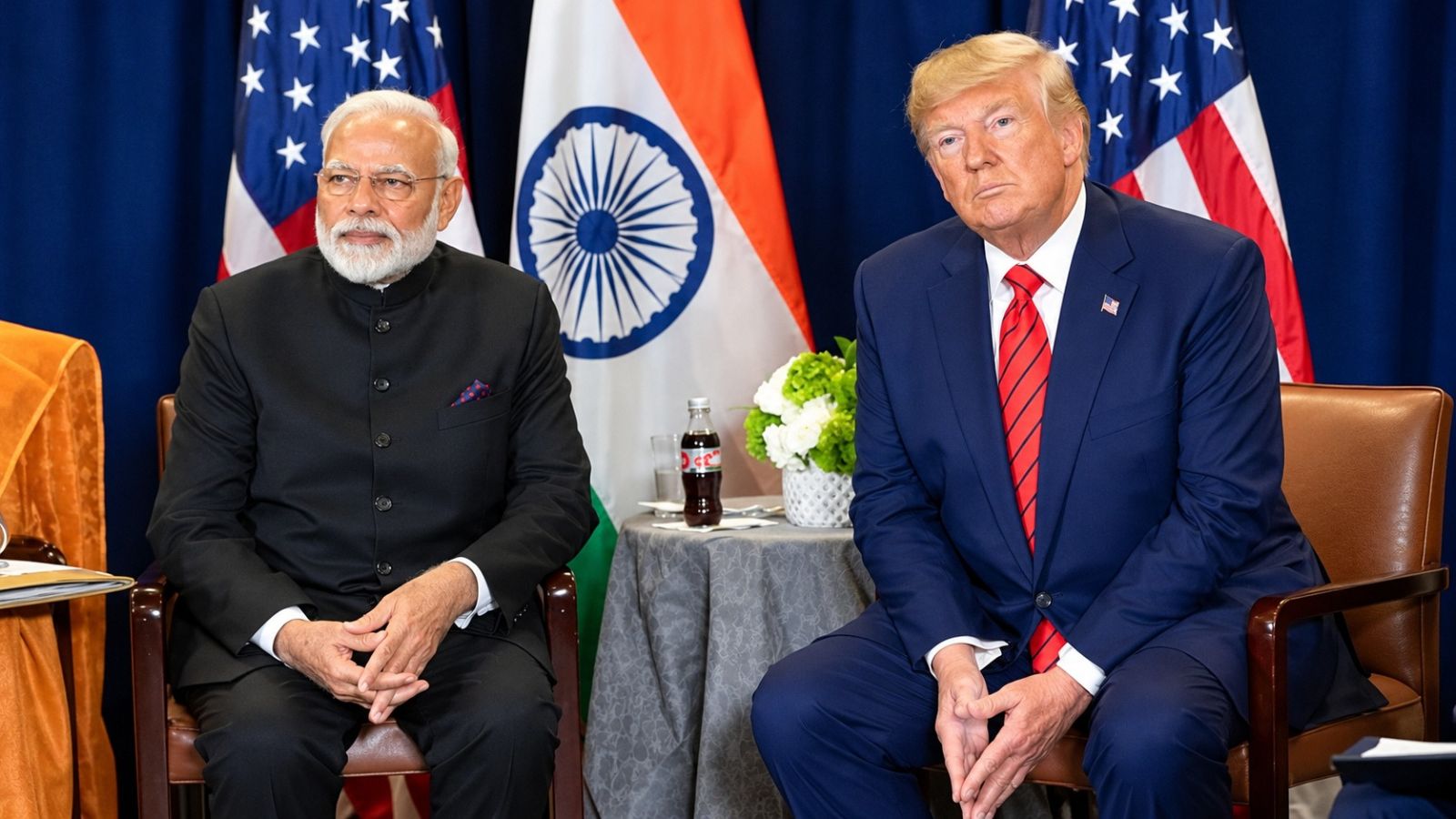
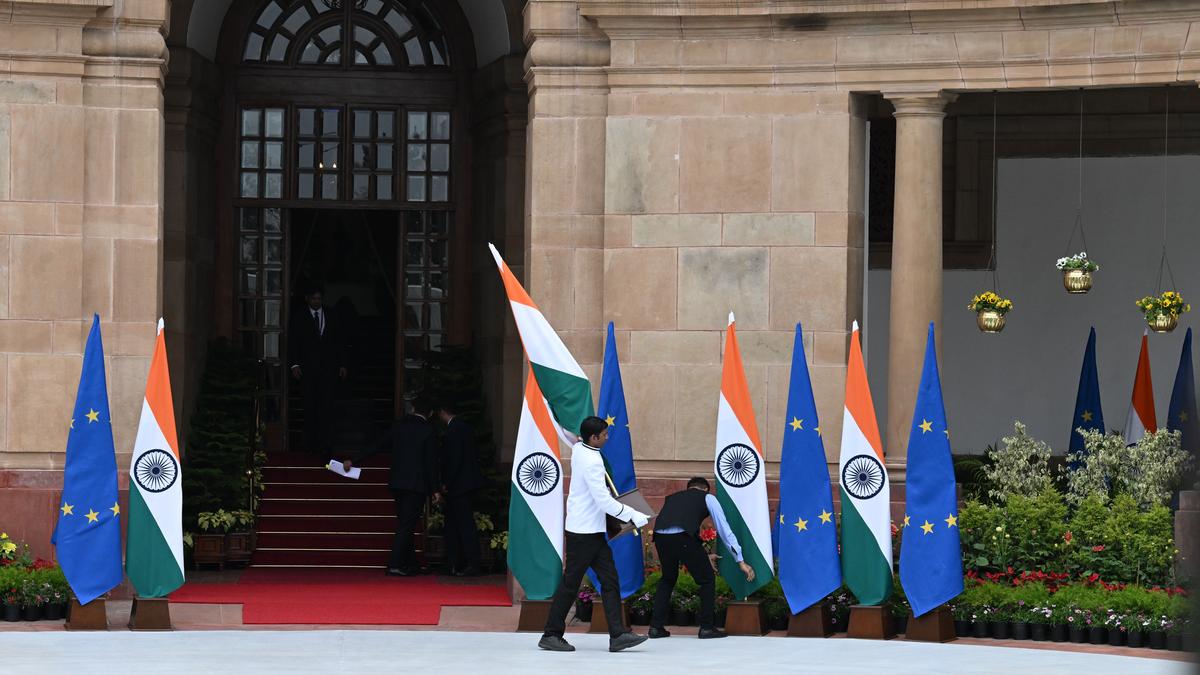
The US proposed a tariff of up to 25 percent on Indian goods on Wednesday..1 The tariff follows a months-long investigation into what Washington calls “structural excess capacity” in 16 major economies.1
The rate would fall to 17 percent if New Delhi signed a trade deal with Washington, according to a list released by the office of the US Trade Representative (USTR)..1 The USTR has set two rates for each economy: a lower “deal rate” and a higher one..1 The lower “deal rate” largely follows the agreements and frameworks countries have reached with Washington..1 The higher rate is what US officials believe a country’s policies justify.1
The new duty will not be added to the 10 per cent tariff Indian exporters have paid since July under a separate investigation into forced labour..1 Importers will instead pay whichever rate is higher.1
Deal Rate vs Higher Rate
At 17 per cent, that would mean a rise of seven percentage points for most Indian goods..1 The 17 per cent is lower than the 18 per cent the two countries agreed in a framework for an interim trade deal in February.1
Public hearings and comments are expected to begin soon, and the tariffs are unlikely to take effect before January.1
Other Tariff Targets
Vietnam faces up to 35 percent, or 20 percent if it reached a deal..1 Bangladesh, Cambodia, Indonesia, Malaysia and Thailand face 18 percent.1
The US government administration proposed new tariffs on 14 major trading partners..2 The tariffs are aimed at combating what the US government calls structural excess industrial capacity.2
The highest rates of the tariffs will hit China..2 Washington blames China most for flooding world markets with cheap exports.2 US stock futures slid, leaving futures on the S&P 500 down 2.1%..2 Futures on the Nasdaq 100 were down 3.2%..2 Bond yields remained lower on the day.2
“Most of these 301 tariffs were very well expected, these aren’t new tariffs. This isn’t a Liberation Day 2.0. This is more, after the investigations, they are trying to right-size after IEEPA was struck down,” SARAH YING said.1