After Heavy Iran Strikes, U.S. Naval Base in Bahrain Faces Uncertain Future

Key facts
Damage to Naval Support Activity Bahrain is likely to cost more than $400 million, according to the Congressional Research Service.1
Before the Iran war, U.S. military personnel at the base enjoyed Wednesday movie nights, stretching blankets out with their families on the grassy grounds in front of a projector.1
The base served as the headquarters for U.S. Naval Forces Central Command and U.S. Fifth Fleet.1
A base built for war
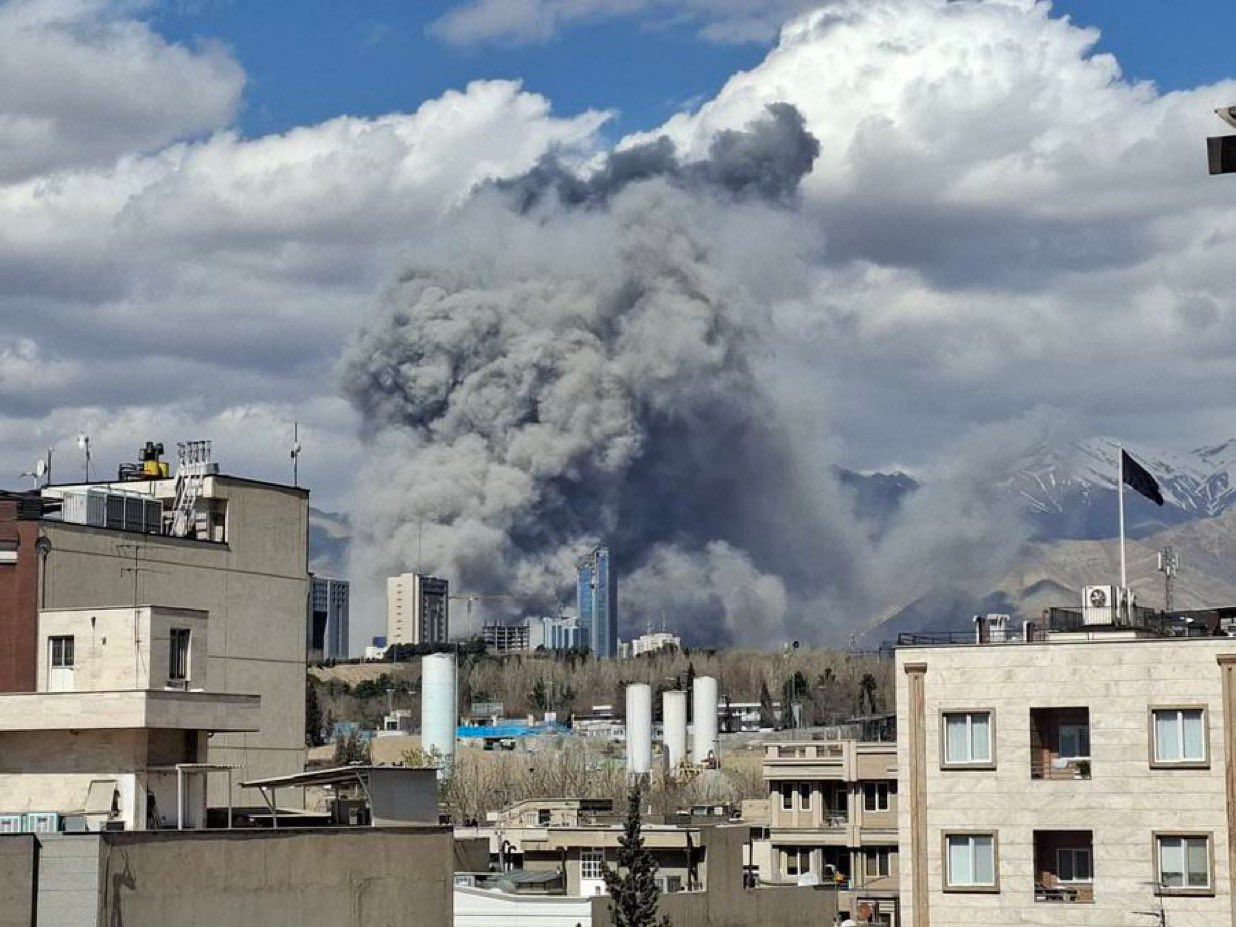
Within hours of the U.S. and Israeli forces bombing Iran on Feb. 28, this tiny island country, along with the rest of the U.S.-allied Gulf nations, was targeted by Iran.1
Videos showed Iranian drones crashing into the base, causing massive explosions.1
In the months that followed, two civilians were killed and dozens wounded, including two Defense Department employees, as Iran continued to fire hundreds of drones and missiles that hit not only NSA Bahrain but also nearby energy infrastructure, residential buildings and data centers.1
A future in question
Nine months into the United States' war with Iran, the future of the base remains uncertain, with U.S. military officials acknowledging that it is not clear when, or if, NSA Bahrain will return to prewar operations.1
The Pentagon is considering moving its forces from the region to Israel and Jordan.1
Only a tiny fraction of the more than 8,000 personnel who were once stationed here remain, and the future of the U.S. presence here and across the Gulf is uncertain.1
Life near the base
Life near the base, which served as the headquarters for U.S. Naval Forces Central Command and U.S. Fifth Fleet, also featured Sunday brunches, and a string of nearby bars and restaurants - many of them American franchises, such as Texas Longhorn, Chili’s and Fuddruckers.1
The base had sports leagues for children, an American school and Saturday morning shopping for Persian carpets and custom-made suits.1
Despite its proximity to Iran - just 125 nautical miles away - Bahrain had always been a place that was known for its safety, Americans who lived there said, and where they felt welcomed.1
On the ground, where damage to the base is still visible from major highways, some Bahrainis - including business owners who counted on the base for their livelihoods - say they want the U.S. sailors and their families to return.1
But there is also an increasingly vocal part of the population now questioning what purpose the Americans served - and whether their presence actually made Bahrain more vulnerable rather than more secure under U.S. protection.1
In recent weeks, Iranian strikes against Bahrain have resumed, with the regime making clear that Bahrain and other Gulf nations will pay the price until Tehran’s demands - including the departure of U.S. forces from the region - are met.1
Bahraini human rights activist Mohammed Abdallah, during an interview in Manama, said, “This is happening to us because of what the U.S. is doing in the region.”1 “Why are we even involved? They are messing around in the region, and we are suffering.”1
Sources
Every number in the story points here. Each links to the original reporting.
RightDetroit News
See a sentence its source doesn’t back up?
Tell us the source number and what’s wrong. We check every report. If we change the story, the fix goes on the corrections page with the old wording.