U.S. proposes 20% tariffs on Singapore over manufacturing

Key facts
On Nov. 25, on the eve of the U.S. Thanksgiving holiday, the U.S. Trade Representative (USTR) gave Singapore and 13 other economies something to be unthankful for.1
It proposed tariffs on 14 economies, including Singapore and five other ASEAN countries, the European Union, China, and several others, as the outcome of an investigation into 16 economies over alleged excess industrial capacity, which the USTR launched in March 2026.1
Singapore could face a tariff rate of up to 20 per cent, although lower rates could apply depending on the outcome of negotiations with the U.S. Perhaps the only piece of good news that came along with this announcement is that the new tariffs would be net of existing Section 301 tariffs.1
Singapore is currently subject to Section 301 tariffs of 12.5 per cent, but the new tariffs would top out at 20 per cent and would not be cumulative.1
According to DPM Gan, the proposed tariff would affect about S$9.4 billion of Singapore’s exports and raise the effective tariff rate on Singapore goods from 7.8 per cent to 10.3 per cent.1
Singapore’s METI response
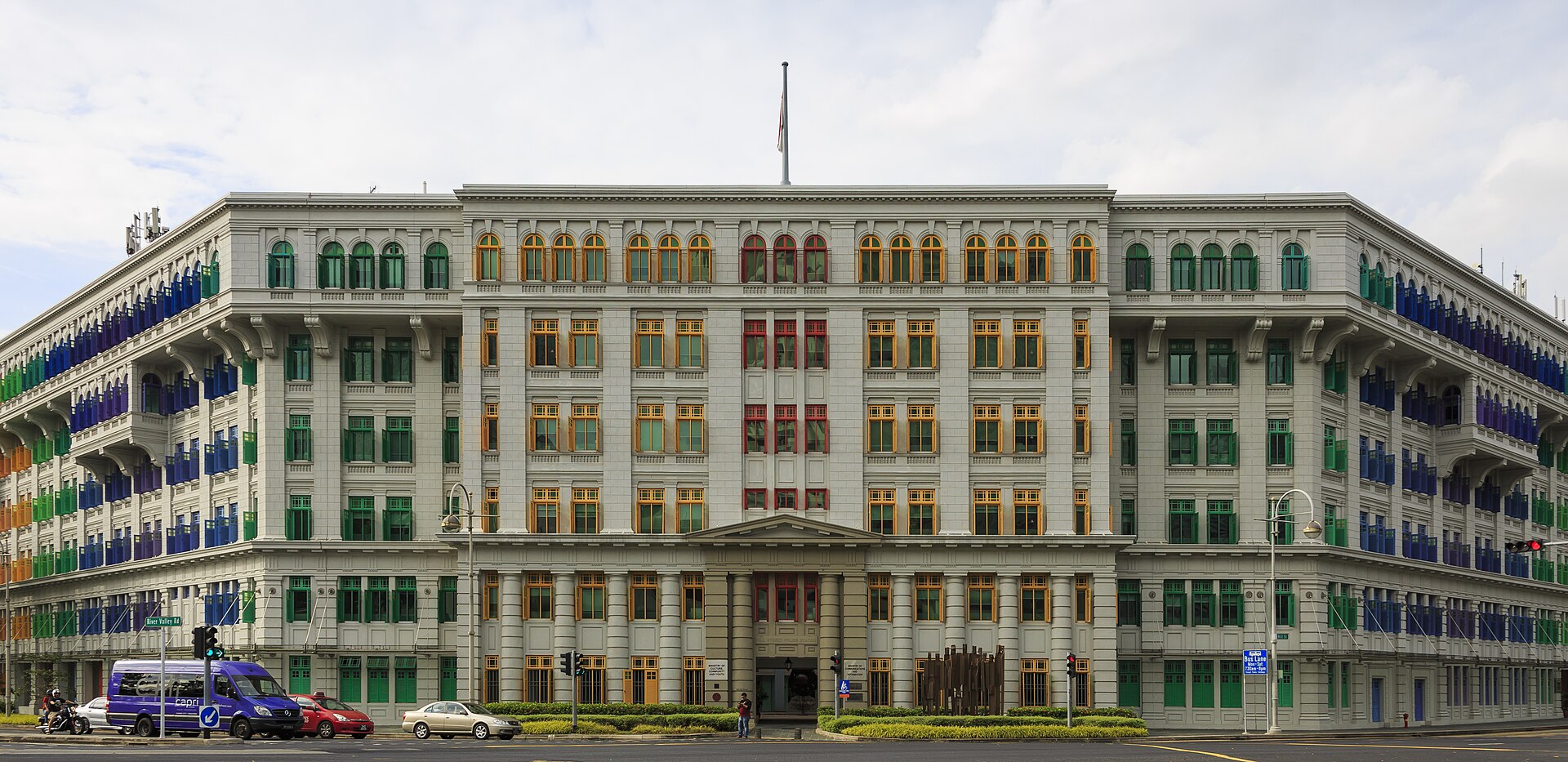
Singapore’s Ministry of Energy, Trade and Industry (METI) has issued a statement on Nov. 26, saying that it disagreed with the USTR’s findings and was “very disappointed” with the proposed actions against Singapore, and did not take into account the structure of Singapore’s economy.1
METI said Singapore’s global trade surplus was a reflection of its outward and market-oriented economy, as well as Singapore’s status as a trusted business and trading hub.1
METI said that under the U.S.-Singapore Free Trade Agreement (USSFTA), Singapore levies no tariffs on U.S. exports to Singapore, and the U.S. committed to levying no tariffs on imports from Singapore.1
The USSFTA agreement was signed 23 years ago.1
Since the agreement was signed 23 years ago, the U.S. has enjoyed a consistent trade surplus with Singapore.1
The USTR released an eye-wateringly expansive 168-page report, pithily titled “Singapore’s Acts, Policies, and Practices Relating to Structural Excess Capacity and Production in Manufacturing Sectors,” but it was summarised into six points of contention: industrial plans, financial repression, savings promotion policies that suppress domestic consumption, inadequate labour protections, financial support for key sectors, and failure to address global excess capacity and production, including through imports and foreign direct investment from non-market economies (NME) (essentially China).1
The USTR claimed such policies burdened or restricted U.S. commerce by reducing commercial opportunities for U.S. producers and exporters, harming the U.S. economy by contributing to lost production, exports, jobs, and investment in the U.S. manufacturing sector, and increasing the U.S. economic security risk.1
Among the manufacturing sectors highlighted in the report were electronics and semiconductors, healthcare-related manufacturing, and petrochemicals.1
A previous mistake on trade balance
METI said it has been actively engaging with the USTR, has “thoroughly addressed its queries and concerns.”.1 METI added that it will continue to do so, including urging it to reconsider its proposed actions and to explore ways to reduce the tariff.1 This is not the first time Singapore has had to clarify the USTR’s assessment of its economy.1
In fact, it was the other way around: the U.S. had a trade surplus with Singapore.1
When the investigation was launched in March 2026, the USTR’s Federal Register notice incorrectly stated that Singapore enjoyed a bilateral trade surplus of US$27 billion with the U.S. in goods and services in 2024.1
According to a parliamentary reply by Minister of State for Trade and Industry Gan Siow Huang on Apr. 7, 2026, Singapore had raised the discrepancy with the USTR.1
The USTR later removed the inaccurate statement from the notice.1
Sources
Every number in the story points here. Each links to the original reporting.
LeftMothership
See a sentence its source doesn’t back up?
Tell us the source number and what’s wrong. We check every report. If we change the story, the fix goes on the corrections page with the old wording.