Key facts
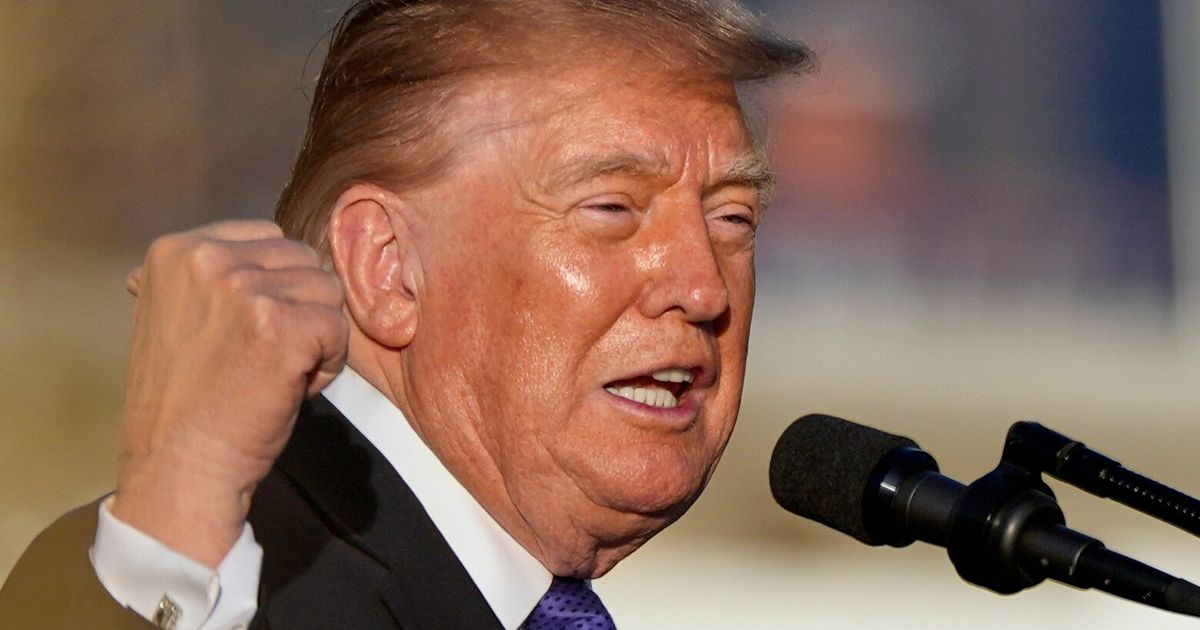
The Trump administration is expected to soon announce plans to raise tariffs on China, the European Union and 14 other economies, according to two people familiar with the matter.1
The U.S. Trade Representative’s Office is expected to release the results of a monthslong tariff investigation into the industrial subsidies by the 16 economies in the coming days, according to the people who were not authorized to comment publicly and spoke on the condition of anonymity.1
The people who spoke on the condition of anonymity were not authorized to comment publicly.1
The White House and USTR did not respond to requests for comment.1
The plans for the new tariffs are part of an effort to replace broader duties the administration set last year that were subsequently struck down by the Supreme Court.1
The plans were reported earlier on Tuesday by Bloomberg and The Wall Street Journal.1
The tariffs are in response to what the White House has said is excessive manufacturing output in those countries, boosted by subsidies, that has led to a flood of goods at lower prices that undercut American companies.1
A Second Step in Replacing Struck-Down Duties
The anticipated action constitutes a second step in the administration’s efforts to replace the duties announced in April 2025 that the Supreme Court ruled unconstitutional in February.1
The White House slapped 60 trading partners with levies of 10% to 12.5% in July, charging that they have inadequately enforced bans on goods produced by forced labor.1
The excess industrial capacity probes were initiated under Section 301 of the Trade Act of 1974, which allows the president to levy tariffs against nations that discriminate against U.S. companies or commerce.1
The levels of the anticipated tariffs were not immediately clear, but would come on top of tariffs of 10% to 12.5% announced earlier this year.1
Many countries, including China, had protested those tariffs, which took effect just as the clock ran out on temporary levies Trump had turned to after the Supreme Court in February struck down sweeping “reciprocal” tariffs he levied on nearly every U.S. trade partner.1
Trade Tensions With China
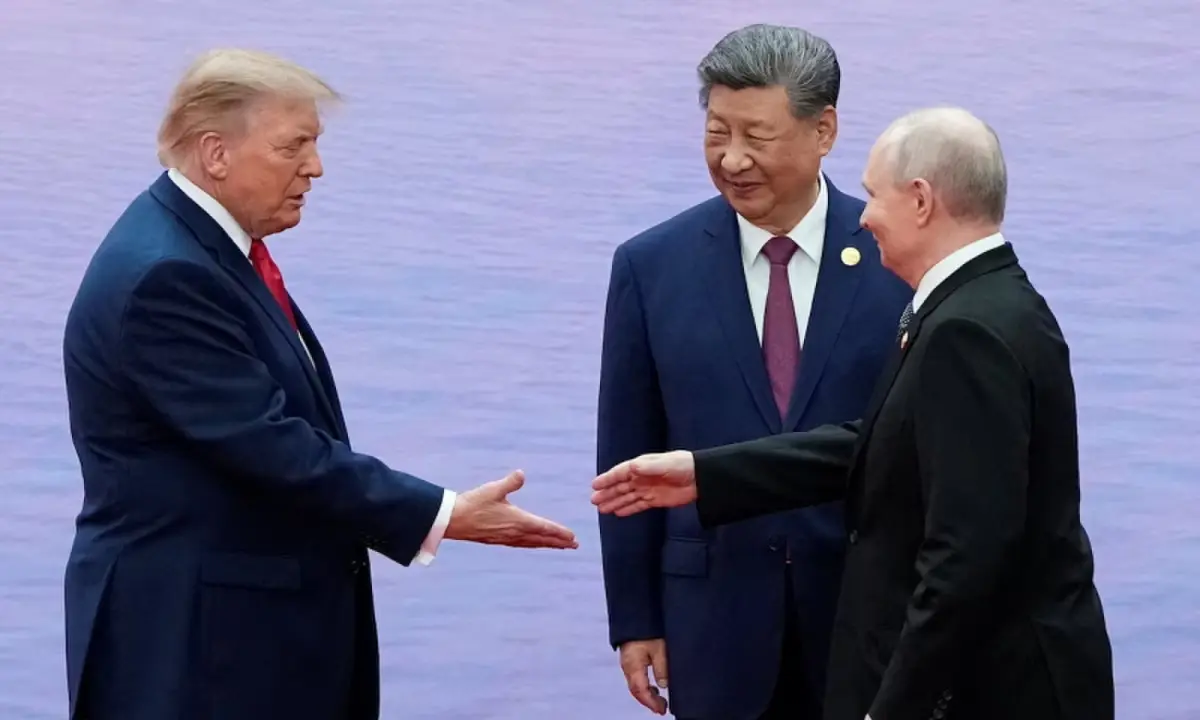
The expected move comes as Trump just last week visited the Chinese tech hub of Shenzhen for his third face-to-face engagement with Chinese President Xi Jinping this year.1
Xi’s expected to travel to Doral, Florida, next month for the Group of 20 Summit, which Trump is hosting.1
China’s own leaders have prioritized rebalancing the economy, slowing domestic demand has prompted companies to expand into overseas markets.1
Surging exports pushed China’s trade surplus to a record of nearly $1.2 trillion last year.1
Even with majorities in both the House and Senate, Trump could veto any legislation that overturns or waters down the tariffs.1
The anticipated trade action demonstrates that the Trump administration is still willing to impose import taxes despite a sweeping loss for the Republican Party in this month’s midterm elections, fueled largely by affordability concerns as inflation remains elevated.1
At the same time, the new duties could test how the Democrats will respond to tariffs imposed unilaterally by Trump.1