Key facts
- Among the individuals sanctioned are Mohammad Javad Bavand, a former Islamic Revolutionary Guard Corps (IRGC) intelligence officer.1
- The new sanctions put the individuals on the Treasury Office of Foreign Assets Control’s Specially Designated Nationals list1
- The measures are part of the Treasury’s stepped-up economic pressure campaign against Tehran1
The US Treasury says it imposed sanctions on four Iranians it says acted as “oil trustees.”1
The Treasury says the trustees collected money from illicit international oil sales for Tehran to evade sanctions and a US naval blockade.1
The Treasury said in a statement that in many cases, the trustees have kept oil revenues for personal gain.1
Who is sanctioned
Among the individuals sanctioned are Mohammad Javad Bavand, a former Islamic Revolutionary Guard Corps (IRGC) intelligence officer, and Majid Taj, the brother of the Iranian Football Federation’s president, Mehdi Taj, according to the Treasury.1
The Treasury also says it imposed sanctions on Mohammad Hossein Servati, the son of IRGC Brigadier General Mohsen Servati, who has held positions in companies that brokered and received shipments of Iranian oil for delivery to independent Chinese “teapot” refineries.1
Another sanctioned individual is Mojtaba Arabnejad, the son of the sanctioned Mahan Air CEO Hamid Arabnejad.1
The Treasury said that Mojtaba Arabnejad has purchased aircraft parts for the sanctioned Mahan Air and overseen oil sales that have partly supported the airline.1
What the sanctions do
The new sanctions put the individuals on the Treasury Office of Foreign Assets Control’s Specially Designated Nationals list, freezing any assets they may have under US jurisdiction and effectively prohibiting dollar transactions with them or entities that they control.1
Why the Treasury took the action
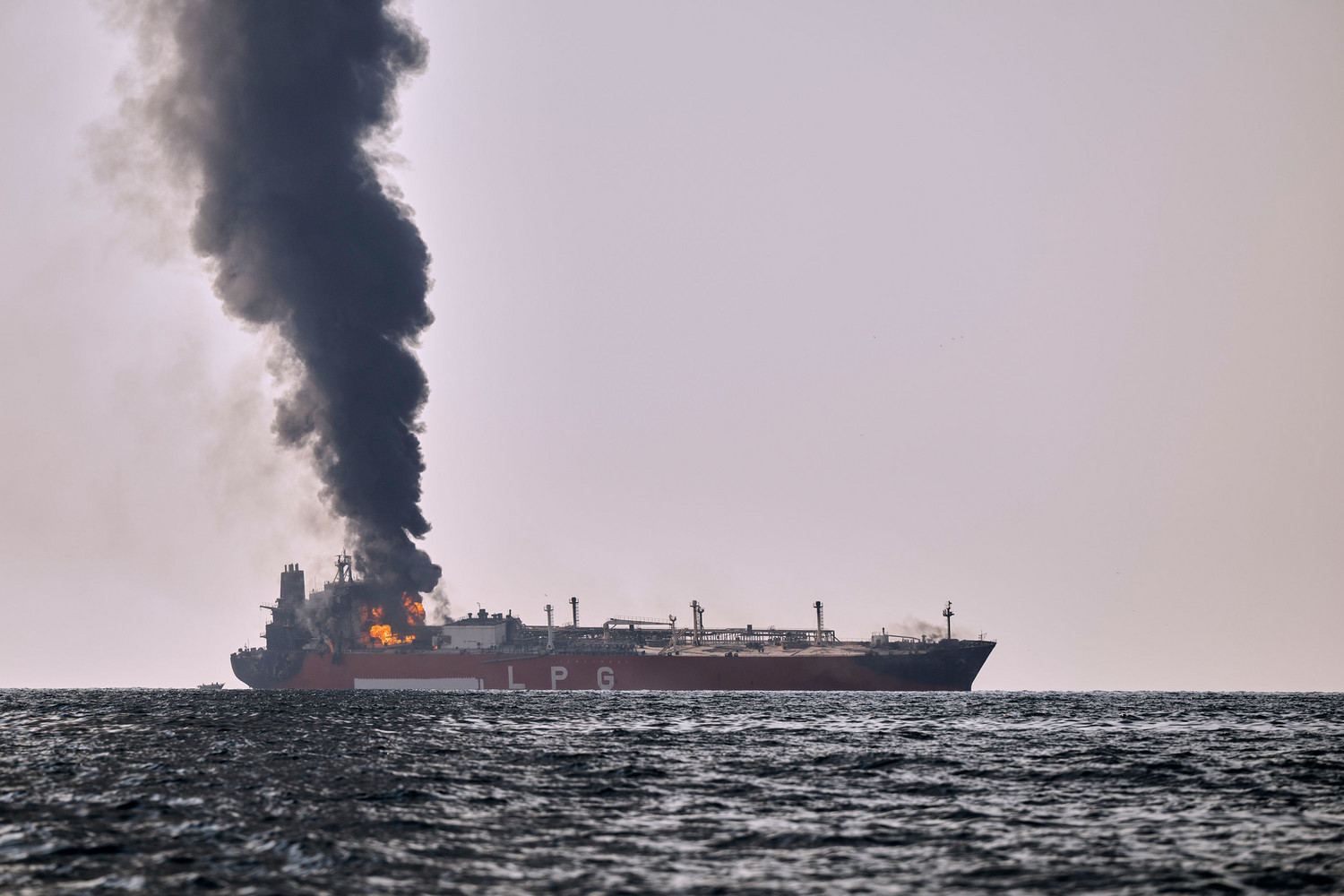
The measures are part of the Treasury’s stepped-up economic pressure campaign against Tehran to try to bring an end to Iran’s attacks on Gulf shipping and reopen the Strait of Hormuz, which has been closed for much of this year following US-Israeli attacks on Iran.1
With no oil on the water outside of the U.S. military blockade and no oil loaded onto vessels since the start of Operation Economic Outcast, the regime is attempting to recoup billions of dollars from its oil trustees, the U.S. Department of the Treasury said.2
The designations imposed today are being taken pursuant to Executive Order (E.O.) 13902, the U.S. Department of the Treasury said.2