Key facts
- Donald Trump knocked repeatedly at Pyongyang’s door this week for a meeting with Kim Jong Un.1
- Trump met Kim three times during his first White House term, and their previous summits, including in Hanoi in 2019, aimed to curb Pyongyang’s nuclear programme but failed to produce a deal1
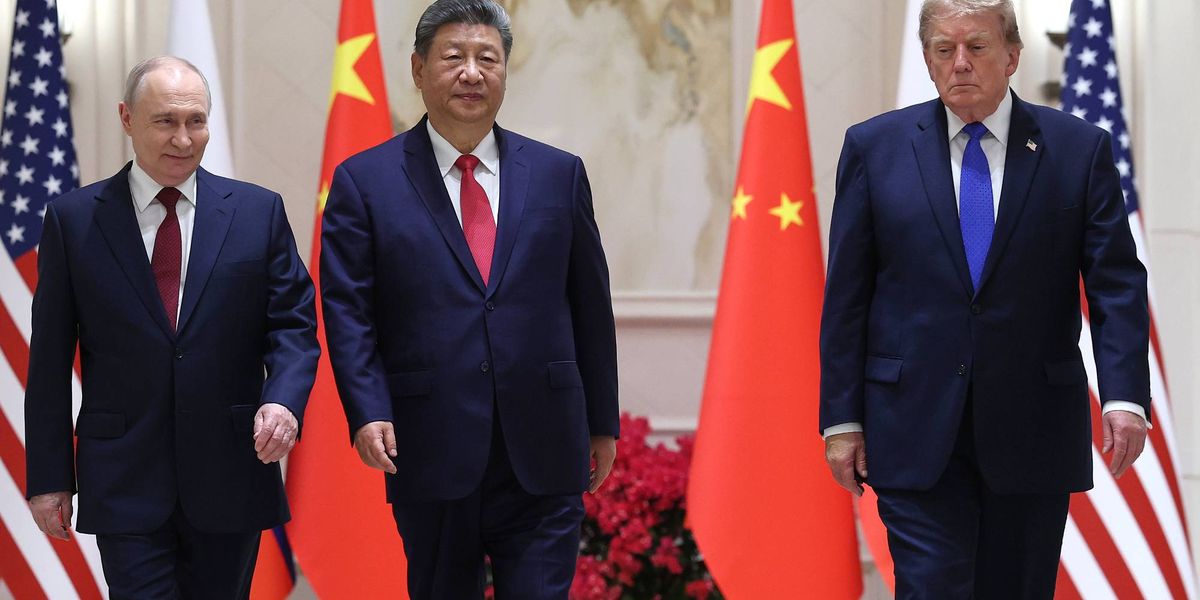
- Trump finally left Asia late on Thursday after a trilateral with China and Russia’s presidents.1
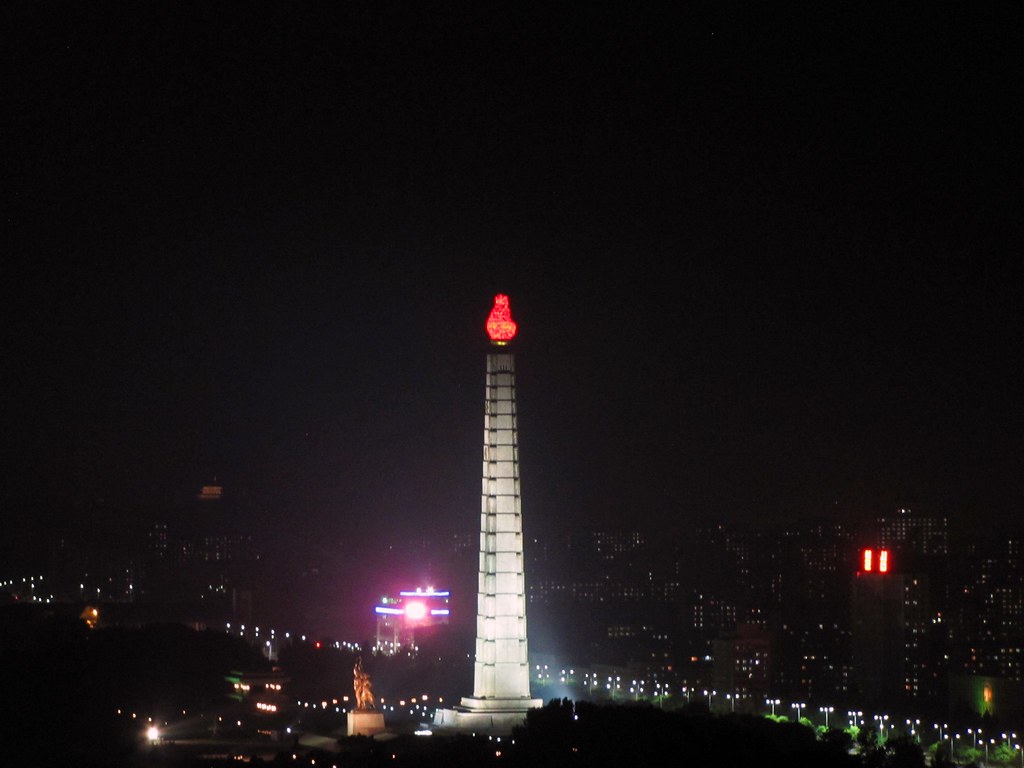
United States President Donald Trump knocked repeatedly at Pyongyang’s door this week for a meeting with Kim Jong Un, but the North Korean leader was out at a ski resort, a sacred mountain and then a naval university.1
Trump finally left Asia late on Thursday after a landmark trilateral with China and Russia’s presidents, but without a meeting with Kim.1
AFP looks at what the missed encounter means: Roles reversed.1
A pattern of failed talks
Trump met Kim three times during his first White House term.1
Their previous summits, including in Hanoi in 2019, aimed to curb Pyongyang’s nuclear programme but failed to produce a deal.1
Kim left Hanoi empty-handed after the talks collapsed, making a 60-hour train journey home.1
Since Trump’s return to the White House, the US leader has repeatedly floated a new meeting with Kim.1
In March, South Korea’s then-prime minister Kim Min-seok said that Trump thought a meeting with Kim would be “good.”1
Doubts over the claim
Although Trump said this week that Kim “would like to” meet, experts voiced doubts over the claim.1
After the Hanoi summit collapsed, Kim likely “concluded that while he and Trump might understand each other personally, the US itself is fundamentally untrustworthy, regardless of whether a Republican or Democratic administration is in power,” Lim added.1
Given Trump’s penchant for impromptu diplomacy, Washington may not have pursued formal channels to arrange a summit with Pyongyang, analysts said.1
Koh Yu-hwan, a professor emeritus at Dongguk University, told AFP, “A proper summit would require at least an exchange of special envoys and working-level negotiations.”1
Rather than responding to Trump directly, North Korean state media depicted Kim visiting a ski resort and sacred Mount Paektu earlier this week, followed by a naval university on Wednesday, where he stressed maritime defence.1
Experts said Kim may have calculated that publicly tending to provincial matters while ignoring Trump would be a better response than remaining silent and staying in Pyongyang.1
Pyongyang’s calculus
Pyongyang is highly unlikely to respond to Trump’s overtures unless Washington takes concrete steps towards recognising it as a nuclear-armed state.1
The US government has so far stuck to its position demanding that Pyongyang give up its nuclear weapons.1
Just weeks before Trump’s arrival in Asia, Washington, Seoul and Tokyo reaffirmed their commitment to North Korea’s “complete denuclearisation.”1
Pyongyang is also receiving economic and military support from Russia in return for its involvement in the Ukraine war, while expanding economic cooperation with China.1
Despite international sanctions, it continues to generate funds through activities including hacking and cryptocurrency theft.